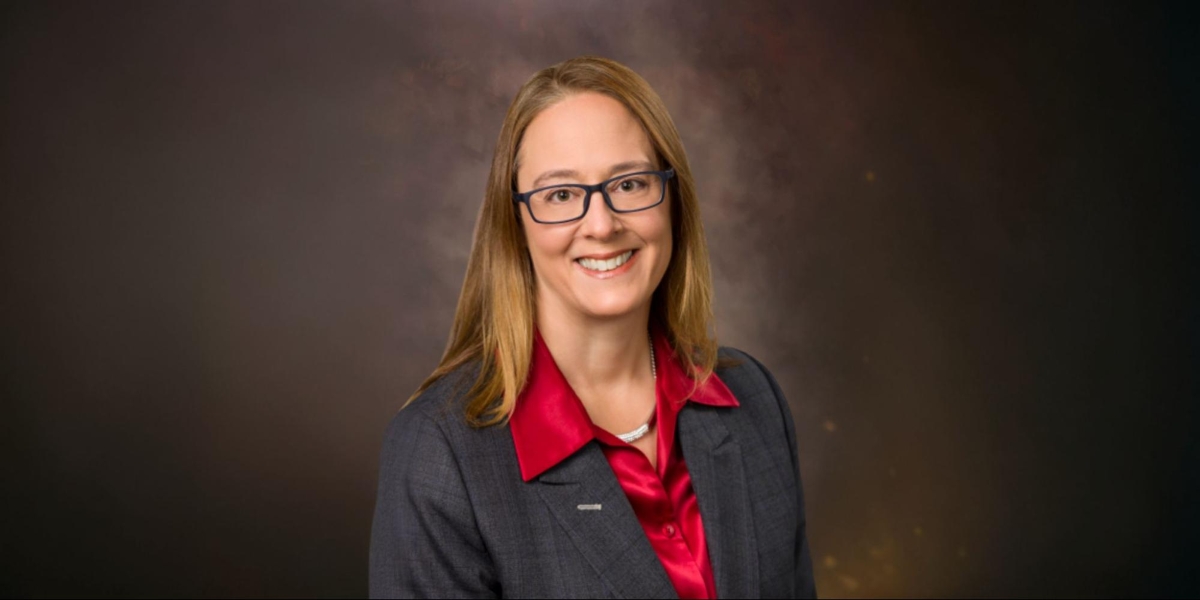

By: Chellie Phillips
In today’s ever-evolving business landscape, executives and senior leaders are under increasing pressure to drive performance, foster innovation, and maintain a strong workplace culture. They’re expected to inspire, coach, manage, and model resilience, all while navigating economic uncertainty, technological disruption, and workforce shifts. But in the race to support their teams and meet benchmarks, many leaders forget one of the most powerful culture-building moves they can make: investing in themselves.
Professional development isn’t a luxury for executives; it’s a strategic imperative. Leaders who continue to learn and grow are more adaptive, more visionary, and better equipped to create cultures where others thrive. While mentoring is often portrayed as something leaders give to others, the most successful professionals understand that they also need mentors of their own to sustain clarity, challenge their thinking, and sharpen their perspective.
The Ripple Effect of a Learning Leader
According to research from the Center for Creative Leadership, leaders who prioritize continuous development are more likely to create inclusive, high-trust environments that outperform their peers. These leaders model humility, curiosity, and adaptability—traits that foster psychological safety and build a culture of learning throughout the organization.
Chellie Phillips, best-selling author and workplace culture strategist, emphasizes this in her proprietary V.A.L.U.E. Culture Formula. “The L in V.A.L.U.E. stands for Leadership—and that’s not just about titles,” she says. “It’s about modeling behaviors that shape the organization’s emotional climate. When leaders are seen investing in their own growth, it tells employees it’s not only encouraged, it’s expected.”
A culture of growth starts at the top. When leaders read new books, attend workshops, or engage in coaching, they show they’re still learning. That gives everyone else permission to do the same and reduces the stigma often associated with needing help or guidance.
Why Executive Development Often Gets Ignored
Despite the benefits, professional development is often one of the first things executives let slide. Time constraints, financial pressures, and the assumption that senior leaders “should already know this” contribute to stagnation. But the consequences are real: outdated mindsets, blind spots, and loss of relevance.
According to a McKinsey study, leaders who fail to adapt through learning are more likely to lose top talent and experience declining team engagement
Leaders must resist the urge to operate in isolation. Instead, they should create a personal development plan that includes:
- Attending leadership retreats or industry conferences
- Subscribing to curated leadership content or executive book clubs
- Participating in mastermind groups or peer advisory circles
- Working with executive coaches to strengthen blind spots
Investing in your growth is an investment in your company’s culture, strategy, and sustainability.
Mentorship: The Two-Way Street of Growth

Often, mentorship is described as a way for leaders to give back, and that’s true. However, what’s equally important is that every great leader also needs a mentor, whether formal or informal. Mentors serve as sounding boards, strategic advisors, and emotional anchors during times of transition or uncertainty.
“The best leaders are both mentors and mentees,” says Phillips. “They understand that growth is ongoing and that wisdom isn’t just passed down, it’s exchanged.”
A Harvard Business Review article underscores this point, noting that mentoring relationships—when mutual—enhance leadership effectiveness and retention on both sides. Leaders who seek out mentors often discover new tools for empathy, more refined strategic thinking, and insight into how others perceive them.
At the same time, mentoring rising leaders within the organization helps strengthen the culture. It fosters intergenerational knowledge transfer, builds community, and ensures institutional memory doesn’t walk out the door when someone retires.
Leading the Culture You Want
If you want a high-performing, engaged, and forward-thinking team, you must be a high-performing, engaged, and forward-thinking leader. That means incorporating learning and mentoring into your leadership identity.

Ask yourself:
- When was the last time I was challenged to grow?
- Who do I learn from?
- What legacy am I building for the leaders behind me?
The answers to these questions don’t just shape your personal trajectory; they shape the culture your team experiences every day.
Start Where You Are

You don’t need to attend an executive education program to take a step forward. Growth can start with:
- Blocking 30 minutes a week for professional reading
- Meeting monthly with a mentor or executive coach
- Volunteering to mentor someone outside your department
- Attending one leadership event per quarter
You can also explore practical leadership and culture-building tools at https://www.chelliephillips.com, where free resources, podcasts, and culture frameworks are available to help executives develop thriving workplaces.
Final Thought
In a workplace culture shaped by your actions, every decision becomes a message. When leaders invest in themselves, they set a tone that learning isn’t optional—it’s the standard. They remind their teams that growth doesn’t stop when you get the title. And most of all, they show that the best leaders are also the best learners.
About Chellie Phillips
Chellie Phillips is a workplace culture expert, nationally recognized speaker, and international best-selling author of Culture Secrets. She helps leaders create thriving, people-first organizations using her proven V.A.L.U.E. Culture Formula. Learn more at www.chelliephillips.com
Disclaimer: Results mentioned in this article and on any linked websites may vary and are not guaranteed. The information provided is for educational purposes only and should not be considered professional advice.