
By: Wyles Daniel
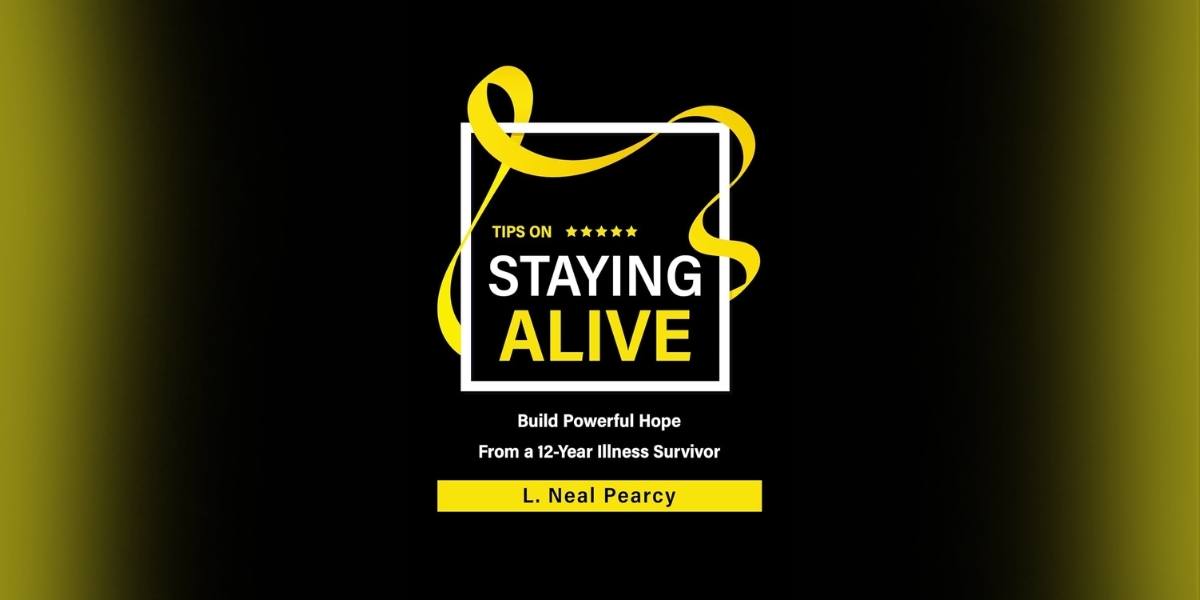
When L. Neal Pearcy was diagnosed with kidney cancer, the world around him didn’t stop, but his inner world shifted forever. “It’s a total shock,” he recalled. “One moment I was living my life, and the next I was looking at X-rays and bloodwork and tumors.” It was that moment of reckoning that would eventually lead to Tips on Staying Alive, a deeply personal and powerfully practical book about navigating illness and embracing wellness.
At its core, Tips on Staying Alive is more than a cancer memoir. It’s a wellness companion, one that urges readers not to wait until something is wrong to start paying attention to their health. “There’s a high chance we will all get a serious diagnosis at some point in our lives,” Pearcy said. “So this book is meant to be read before that moment, not after. Or, if you are already there, it’s meant to help you fight.”
What sets Pearcy’s book apart is its blend of emotional honesty and actionable advice. Through authentic storytelling and a firm, reassuring tone, the book offers what Pearcy describes as “a mindset of survival.” The first chapter is centered around building hope through a series of affirmations, which Pearcy credits with dramatically shifting his outlook during the darkest periods of treatment.
“I tell readers to speak directly to their bodies,” he said. “My three affirmations are simple but powerful: ‘I am healthy in mind, body, and soul,’ ‘My faith builds positive hope,’ and ‘I am strong and capable of healing.’” These were not just words to Pearcy; they were lifelines. “I had to tell myself these affirmations,” he said, “because I was far from healthy. But repeating them helped me maintain a positive mindset and supported my mental resilience through challenging times.”
Affirmations are just one part of the book’s framework. Pearcy also emphasizes the importance of doing your research, especially when facing a diagnosis. The book provides detailed instructions on how to find and follow reputable sources, many of them available for free online, from physicians to nutritionists. Chapter 8 of the book is dedicated entirely to helping readers navigate the internet as a wellness tool. “There are thousands of hours of expert content out there,” Pearcy explained. “You just have to know how to find it.”
This do-it-yourself approach stems from Pearcy’s own experience. When he was battling cancer, and later managing Type 2 diabetes and heart disease, he refused to sit idle. “I didn’t want to be passive about it,” he said. “I wanted to know what was happening in my body. I wanted to learn everything I could.”
His research led him to overhaul his diet, eventually losing over 120 pounds, and embrace a plant-based lifestyle. But the book doesn’t preach. Instead, it guides. It invites the reader to try what’s possible, to shift habits gradually, and most importantly, to believe in the possibility of improvement.
For Pearcy, the importance of mindset cannot be overstated. “People diagnosed with serious illnesses often focus only on what’s going wrong. That’s natural. But it’s also dangerous. You have got to shift your energy into what’s going right, and what you want to go right.”
In Tips on Staying Alive, that philosophy comes alive in gentle, everyday language. There’s no medical jargon, no condescension, and no magic cure. Instead, there’s steady encouragement and real-life success. Pearcy has been cancer-free for over 12 years, and at age 83, he’s still adapting, still learning, and still fighting to stay well.
The book also pays tribute to Pearcy’s personal story, his early life, the death of his father, and the decades-long journey that shaped his resilience. While much of that was explored in his first self-published book, the new volume brings that history into sharper focus, thanks in part to a co-writer who helped Pearcy express his thoughts in a more personal, compelling way. “I couldn’t read the finished manuscript without crying,” he said. “It’s my life there.”
Yet Pearcy is not looking for sympathy. He’s looking to inspire action. “Buy the book. Put it on the shelf. Even if you don’t need it today, you might tomorrow. Or someone you love will.” He hopes that readers will return to it when they are ready to discover tips, courage, and clarity when it matters most.
“This book is not about me,” L. Neal Pearcy said. “It’s about what happens when you stop living in fear, and start believing you can stay alive.”
Disclaimer: The information shared in this article is based on the personal experiences and beliefs of L. Neal Pearcy. While his journey and the tips shared in Tips on Staying Alive may inspire and motivate, the content should not be construed as medical advice, and results may vary for individuals. The FDA or any medical authority has not evaluated the statements regarding health, wellness, and mindset in this article. Always consult with a healthcare professional before making any changes to your health regimen, diet, or lifestyle.