

By: Natalie Johnson
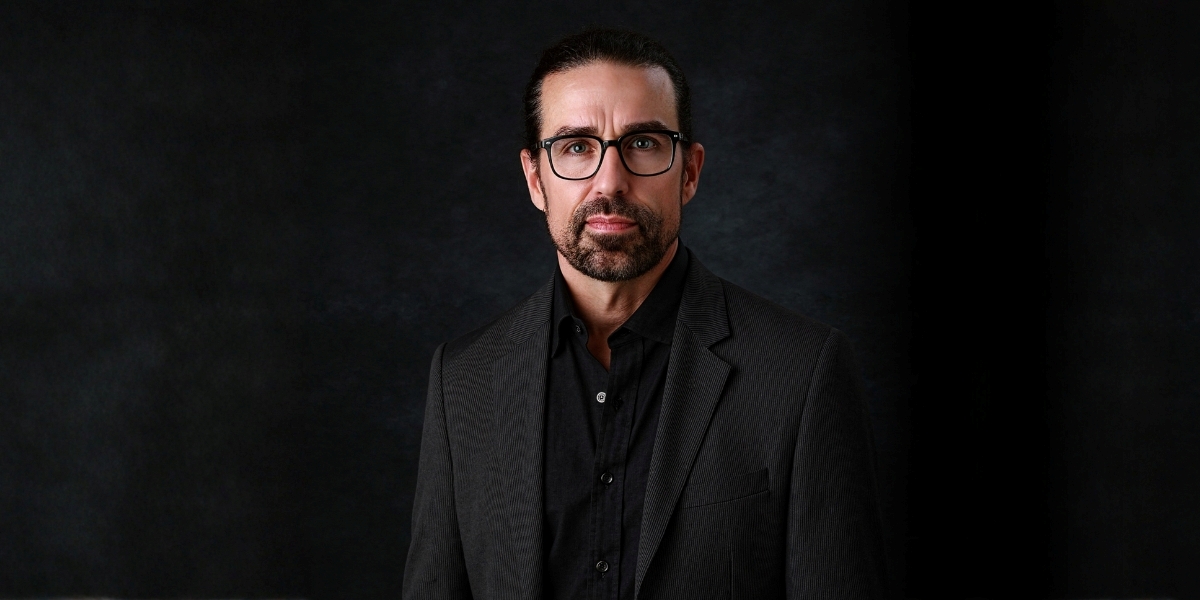
In a world where marketing can often feel manipulative, Dr. Chris Gray, known as The Buycologist, believes that persuasion can be ethical, scientific, and profitable at once. A psychologist by training, retailer by experience, and strategist by trade, Gray has spent three decades helping companies understand that the real competitive edge isn’t necessarily another algorithm, but a deeper understanding of human nature.
His mantra, influence customer behavior without Feeling Gross®, has become a rallying cry for brands looking to move beyond trends that may not always convert. “Most teams think they’re customer-centric,” Gray says. “But they’re designing for what they think people want, not what those people actually feel when they buy.”
Gray’s antidote is his workshop series – a blend of behavioral science, improv theater, and business therapy that aims to transform how organizations think about persuasion. He doesn’t teach tactics; he aims to rewire how teams see people.
The Ethics of Influence
For Gray, ethics isn’t just a bullet point; it’s the entire framework. His sessions are built on one principle: persuasion should serve both sides. “When marketing feels manipulative, it’s unlikely to be sustainable,” he says. “Customers can sense when they’re being treated like lab rats.”
Instead of teaching clever tricks, Gray trains leaders to think behaviorally. His approach, what he calls “behavior-first thinking,” focuses on empathy, evidence, and ethics. The goal is to influence with integrity.
Turning Teams Into Behavioral Scientists
Every workshop begins with a diagnosis. Gray tailors sessions based on what his clients are struggling with most. If they’re failing to capture attention, he dives into the psychology of relevance. If they’re losing emotional engagement, he explores how meaning shapes memory and motivation.
“If a brand can’t connect emotionally, even the best campaign may not have the desired effect,” he says. “The goal isn’t just awareness. It’s resonance.”
One of Gray’s favorite exercises illustrates how fragile attention really is. He asks participants to “wiggle their toes.” It seems random… until he explains that it demonstrates selective attention. “Thirty seconds ago, your toes existed, but you weren’t aware of them,” he says. “Marketing works the same way. If your brand isn’t relevant, you’re invisible. Relevance earns attention. Everything else is noise.”
Walking in the Customer’s Shoes
The centerpiece of Gray’s workshops is Shopper Passport, a simulation he originally designed in his agency days. It’s part role-play, part empathy lab. Participants are divided into teams and given a consumer persona: a single mom juggling bills, a college student in debt, a retiree on a fixed income. Each team gets a budget and a shopping list tailored to the client’s product category. Then they’re sent into real stores to make purchase decisions from their assigned persona’s perspective.
“They come back, unpack their bags, and explain what they struggled with,” Gray says. “Suddenly, executives realize how emotional and constrained everyday decisions can be. They feel what it’s like to choose between affordability and aspiration.”
The results can be humbling. One executive from a baby food company returned empty-handed after failing to find options for a fictional child with allergies. Another, tasked with buying smoking cessation products, came back with a pack of cigarettes. “They couldn’t figure it out,” Gray recalls. “But that’s the point. You can’t understand your customer until you’ve lived their friction.”
The experience often changes how leaders think about their products. “You can’t unsee empathy once you’ve felt it,” he says. “That shift in perspective can transform organizations.”
Gray once scaled the exercise to 700 people at a corporate summit, sending participants on 17 buses to 17 retailers. “It was organized chaos,” he laughs. “But it became the highest-rated session of the conference. No PowerPoint could’ve done that.”
Why It Works
What sets Gray’s workshops apart is their focus on emotion as a learning tool. He believes insight must be felt, not just understood. “A lot of behavior change programs are just PowerPoints with better lighting,” he says. “You have to make learning visceral. When people experience it, they remember it.”
His approach is shaped by years spent observing shoppers in the aisles of major retailers. “Retail is psychology in motion,” he says. “You watch how people move, hesitate, and decide. That’s where you learn what really drives behavior.”
Gray uses those insights to help companies move beyond “data worship.” He doesn’t dismiss analytics but insists they’re only half the story. “Data tells you what happened,” he says. “Psychology tells you why. When you understand the why, you can change the outcome.”
From Resistance to Revelation
At the start of a session, participants often arrive skeptical. Many expect a dry lecture on consumer theory. Instead, they find themselves laughing, debating, and – most importantly – challenging their own assumptions. “I’ve seen the same people who were rolling their eyes in the morning end the day buzzing with ideas,” Gray says. “They start using terms like bias, friction, and heuristics. That’s when you know it’s working.”
By the end of a workshop, the energy in the room is entirely different. Teams that once saw psychology as abstract now view it as a daily business tool. Gray calls this the “Buycologist Effect”: a cultural shift where behavioral thinking becomes second nature.
“The goal isn’t to turn everyone into a psychologist,” he says. “It’s to help people make smarter, more empathetic decisions. When you design from human truth, you win trust, and trust drives everything.”
Beyond the Gimmicks
In a marketplace crowded with formulas and funnels, Gray’s philosophy feels refreshingly human. He doesn’t claim to hack consumer minds. He teaches teams to respect them. “The future of marketing belongs to brands that understand people, and treat that understanding with care,” he says.
For Dr. Chris Gray, persuasion done right is about connection. His workshops don’t just teach marketing; they teach empathy as a business strategy. And in an industry obsessed with attention, that may be the most powerful advantage of all.
To secure The Buycologist for your next workshop, visit The Buycologist.