
By: Samantha Borcy
There is a particular kind of coaching the Tech industry has become very familiar with. The structured program. The three-to-six-month commitment. The implied guarantee of a promotion, salary bump, more visibility, or a new role by a specific date. The listicle content on LinkedIn. The productivity frameworks and efficiency hacks dressed up as leadership development.
Ines is not doing any of that.
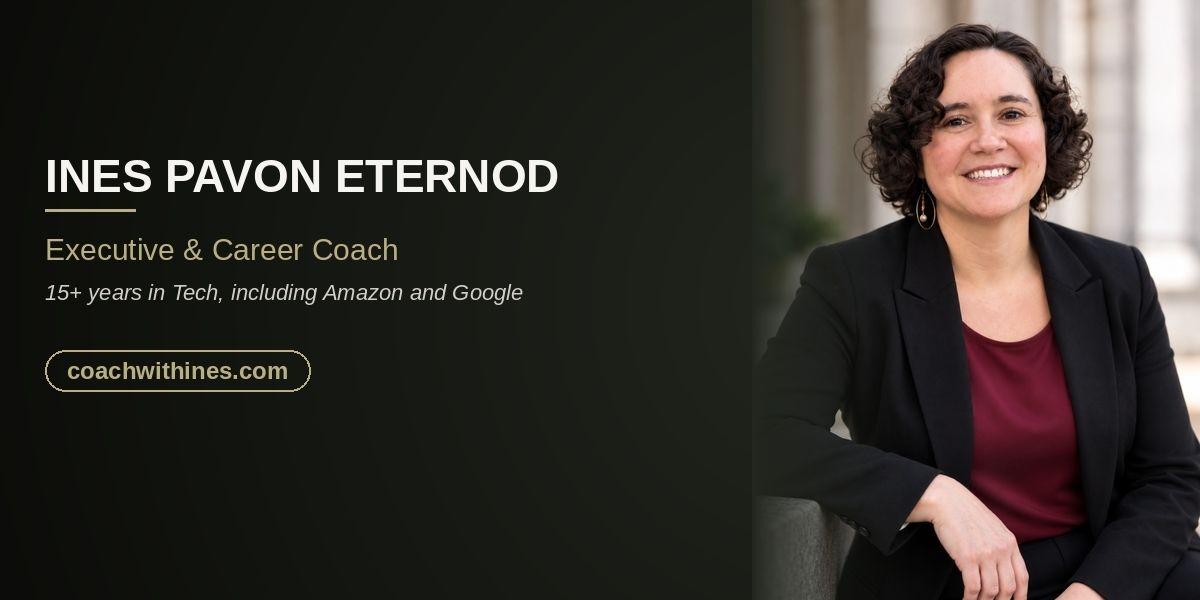
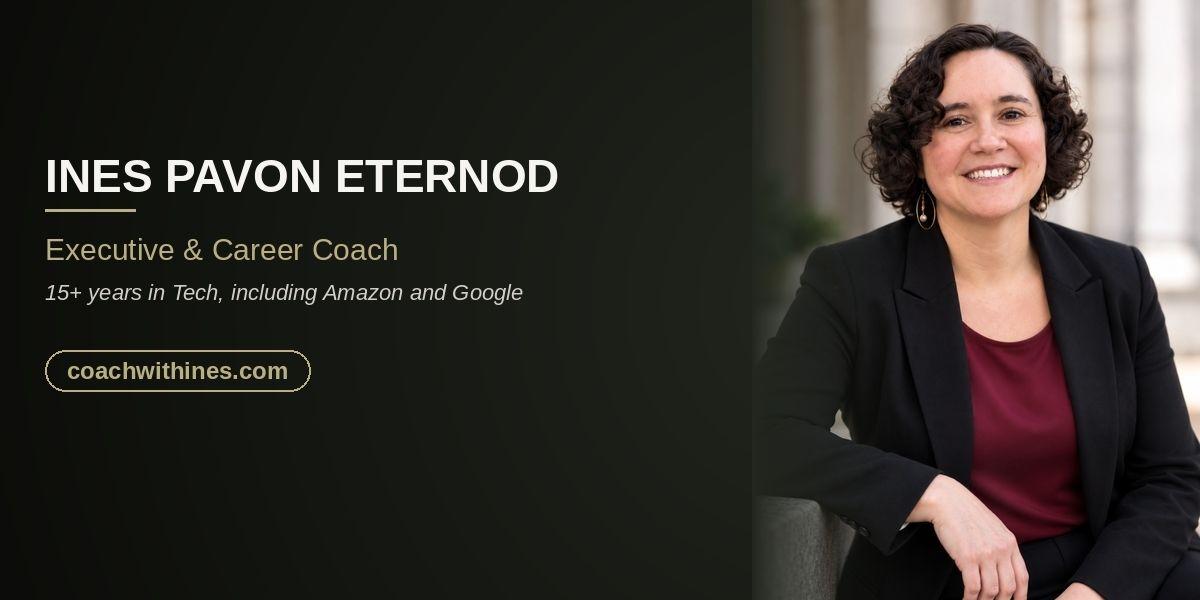
As the founder of Coach with Ines, she works with senior Tech leaders who want more ease in their roles, whether they’re navigating the pressures of fast-paced, high-stakes work, isolation, impostor syndrome, or overwhelm. She also supports these same professionals who are facing real career decisions: leaving the industry, changing functions, figuring out if leadership is actually the right path for them. What makes her practice unusual isn’t just the niche. It’s her belief that people already carry the answers they need, and that real change comes from clearing what’s in the way, not from a coach trying to install different ideas. And it’s her decision not to dress that philosophy up in promises she doesn’t believe she can make.
15+ Years Living What Her Clients Are Going Through
Ines was born in Mexico and has spent most of her adult life in the Pacific Northwest. She spent over fifteen years inside Tech, starting as a QA Engineer at companies ranging from tiny startups to Amazon, eventually moving into Senior Technical Program Manager and Enterprise Portfolio Leader roles at Amazon and Google. That arc, from individual contributor to senior leader across very different organizational environments, is the contextual foundation she brings to every coaching conversation.
She is not advising from the outside looking in. She has navigated the specific pressures of fast-paced Tech environments, the particular dynamics of working within enormous organizations where being both strategic and visible is complicated, the experience of being simultaneously essential and uncertain. She knows what it feels like to wonder whether the role and culture fit, and whether what she was building professionally was actually what she wanted.
That personal experience is part of her practice. But she is careful about how she uses it. Her role, as she describes it, is not to be a mentor who hands down what worked for her. It is to help clients access their own resourcefulness, to create space and offer tools that remove the barriers between people and what they already know they want. She believes people generally know what they need. Something gets in the way. Her job is to help them see and remove that something.
The Approach That Doesn’t Look Like Most Coaching
Ines doesn’t separate executive coaching from career coaching, which puts her outside the typical structure of most coaching practices. She sees them as the same conversation at different points in a professional’s life. When the conversation starts during a job search, the focus is on the comprehensive job search strategy (positioning, resume updates, interview prep, etc.). But once the client starts onboarding, the switch to executive coaching happens naturally. This is the ideal time to build ease into a new role. Not once things start to go sideways, but before old patterns have a chance to follow the client in and before the new team and leadership have put them in a box. When the conversation starts with executive coaching, sometimes it surfaces a desire to leave, which is when career coaching takes over. Dividing them artificially doesn’t serve the client. It serves the business model.
She also doesn’t offer a standard program with a timeline and an implicit promise of a specific outcome. She makes no guarantees, and she’s upfront about that from the first conversation. What she offers instead is a genuine partnership toward whatever a client’s goals actually are, which requires honesty about what coaching can and cannot do.
She keeps her pricing accessible, generally lower than market average, and always keeps a couple of pro bono slots for people facing financial challenges. She offers a complimentary, full forty-five-minute intro call, enough time for real questions and no rush, because she believes choosing a coach is a deeply personal decision that deserves a real conversation before any commitment is made.
Why Ease Isn’t Optional
One idea Ines returns to repeatedly in her work comes from Brian Dyson, former CEO of Coca-Cola Enterprises, who once described life as juggling five balls: work, family, health, friends, and spirit. Work is the only one made of rubber. Drop it, and it bounces back. Drop the others, and they get scuffed, cracked, sometimes shattered, and they never quite go back to what they were. When work becomes something you merely survive, it’s the glass balls that pay the price.
The Tech industry makes people feel like the role is the role, that they just have to grit their way through it. People don’t question that premise until the toll shows up somewhere else.
Her work with clients often circles back to this. Just surviving a role, white-knuckling through it, doesn’t stay contained to the job. It follows you home. It shows up in how much patience you have left for family, whether you’re present with friends, and how your health holds up under the strain. That’s why building more ease into a role isn’t a nice-to-have. It’s what protects everything else.
If you’re a senior Tech leader looking for more ease in your role rather than more optimization, learn more about working with Ines Pavon Eternod at coachwithines.com.