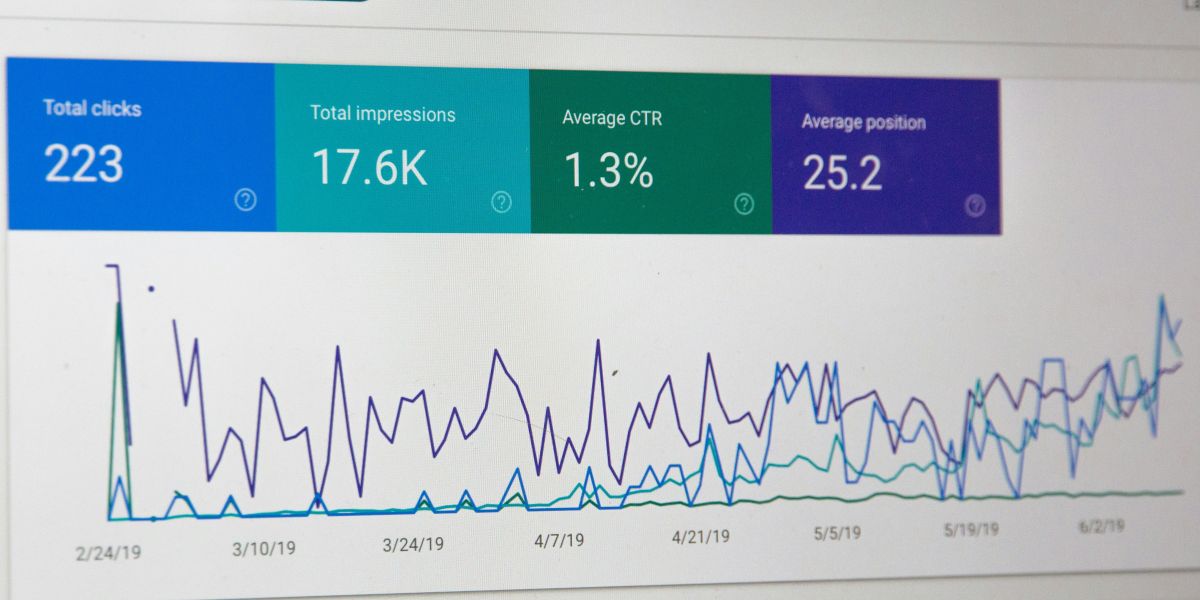

Organic search traffic remains the most valuable and sustainable channel in digital marketing. Unlike paid ads that stop the moment the budget runs out, a well-optimized website continues to attract visitors around the clock, day after day. But ranking on page one of Google is only half the battle. The real goal is bringing in the right visitors: people who are genuinely searching for what your site offers and are ready to take action. This guide breaks down the core strategies behind organic search growth, from technical foundations to content and authority, and explains how to turn that traffic into real business results.
What Is Organic Search Traffic and Why Does It Matter?
Organic search traffic refers to visitors who arrive at a website through unpaid search engine results. When someone types a query into Google, Bing, or another search engine and clicks a result without it being labeled as an ad, that click counts as organic. These visitors tend to be among the most valuable because they come with intent. They are actively looking for information, a product, a service, or a solution. According to Google’s SEO Starter Guide, search engine optimization is the process of making a site better for search engines while also helping users find what they need, and those two goals are inseparable. Businesses and publishers that invest in organic visibility build an asset that compounds over time, growing in authority and reach without the linear cost structure of paid advertising.
What Are the Technical Foundations Every Site Needs?
No content strategy will succeed on a site that search engines cannot properly crawl and index. Technical SEO is not glamorous, but it is the foundation on which everything else is built. The basics are straightforward: pages must load quickly, render correctly on mobile devices, use HTTPS for security, and have a clear internal linking structure so that search engines can discover and understand all content. Googlebot, which is Google’s web crawler, must be able to access the site without being blocked by robots.txt, and every target page should return a clean HTTP 200 status. Google’s Search Essentials documentation outlines the minimum technical requirements for eligibility to appear in search results and is the definitive reference for what Google actually needs from a page.
Beyond the basics, modern technical SEO also involves Core Web Vitals, a set of performance signals measuring loading speed, interactivity, and visual stability, along with structured data markup that helps search engines understand the content on a page at a deeper level. Sites that invest in technical health tend to see better crawl efficiency, higher indexation rates, and improved performance across all other SEO efforts.
How Does Keyword Research Shape an Organic Strategy?
Keyword research is the process of discovering the exact phrases and questions that real people type into search engines when looking for products, services, or information relevant to a business. Effective keyword research goes beyond identifying high-volume terms and digs into search intent, which is the underlying reason behind a query. A visitor searching “best running shoes for flat feet” has very different needs than one searching “buy Nike Air Zoom,” and a page optimized for the right intent is far more likely to rank and convert.
Sanibel-online.com approaches keyword strategy by mapping content to specific intent categories: informational queries that attract researchers and educate potential customers, navigational queries from people already familiar with a brand or site, and transactional queries from visitors ready to act. This layered approach ensures that organic content serves the full customer journey rather than targeting only one stage of the funnel.
Long-tail keywords, which are longer and more specific phrases with lower individual search volumes, are often the fastest path to organic results for newer sites or competitive industries. They attract a smaller but more precisely targeted audience and tend to convert at higher rates than broad, high-competition terms.
What Is Keyword Intent and Why Does It Drive Rankings?
Google’s ranking systems have grown increasingly sophisticated at understanding what a searcher actually wants, not just what words they used. A page that perfectly matches user intent by delivering exactly the format, depth, and type of content that a searcher expects will consistently outperform a technically strong page that misjudges what the audience needs. For transactional queries, product pages and comparison guides tend to rank. For informational queries, well-structured articles and guides earn the most visibility. Matching content format to intent is one of the highest-leverage actions in organic SEO.
What Role Does Content Quality Play in Organic Rankings?
Google’s quality guidelines are explicit: content should be created for people, not for search engines. This principle, reinforced by multiple algorithm updates over recent years including the Helpful Content Update, rewards pages that demonstrate genuine expertise, provide accurate information, and deliver a satisfying experience to the reader. Thin content, meaning pages with little substance, duplicated text, or content that fails to meaningfully address the query, consistently loses ground in rankings over time.
High-quality organic content shares several characteristics. It addresses the target query comprehensively, anticipating follow-up questions and related subtopics. It is written at an appropriate reading level for the intended audience. It cites credible sources and includes data or examples that support claims. It is structured clearly with logical headings, short paragraphs, and visual elements where helpful. And it is updated periodically to reflect current information, since freshness signals remain a meaningful ranking factor for many query types.
How Important Is E-E-A-T for Organic Visibility?
E-E-A-T, which stands for Experience, Expertise, Authoritativeness, and Trustworthiness, is Google’s framework for evaluating content quality. Sites that demonstrate real-world experience in their subject area, showcase credentials and qualifications, earn recognition from other authoritative sources, and maintain transparent, trustworthy practices tend to perform significantly better in organic search over the long term. For competitive or sensitive topics, E-E-A-T signals can be decisive. Author bios, original research, first-hand case studies, and clear attribution of information all contribute positively to a site’s perceived expertise and trustworthiness.
How Does Link Building Affect Organic Search Performance?
Backlinks, which are links from other websites pointing to a page, remain one of the strongest signals in Google’s ranking algorithm. A link from a respected, high-authority site acts as a vote of confidence, signaling to search engines that the content is worth referencing. However, the quality of links matters enormously more than quantity. A handful of links from relevant, trusted publications in a given industry outweigh hundreds of links from low-quality or unrelated sites.
Effective link building in 2025 is built on creating genuinely link-worthy content such as original research, comprehensive guides, useful tools, or unique data that other sites naturally want to reference. Outreach to relevant publishers, guest contributions to industry publications, and digital PR campaigns that generate media coverage all serve as legitimate pathways to earning authoritative backlinks. Tactics that attempt to manipulate link signals artificially, including link schemes, paid links without proper disclosure, or large-scale link exchanges, violate Google’s spam policies and carry significant risk of ranking penalties.
What Is the Connection Between User Experience and Organic Rankings?
Search engines increasingly use behavioral signals to evaluate whether pages are satisfying the people who visit them. High bounce rates, short time-on-site, and low engagement can signal to Google that a page is not meeting user needs, even if it initially ranks well. Conversely, pages where visitors spend time, scroll, interact, and navigate to additional content tend to maintain and improve their positions.
User experience optimization for organic search means more than fast load times. It means intuitive navigation that helps visitors find what they need, clear calls to action that guide users toward desired outcomes, and content formatted for readability across all devices. A site that is genuinely easy and pleasant to use creates the positive engagement signals that reinforce organic rankings over time.
How Long Does It Take to See Results from Organic SEO?
One of the most common questions about organic search is timeline. The honest answer is that results depend heavily on the competitiveness of the target keywords, the existing authority of the domain, the quality of the content, and the consistency of the effort. New sites targeting competitive terms in established industries may wait six to twelve months to see significant movement. Sites with existing authority, targeting less competitive or long-tail terms, can see meaningful results within weeks.
The compounding nature of organic SEO is what makes it uniquely valuable as a long-term investment. A well-optimized page can continue to drive traffic for years with minimal ongoing cost. Rankings achieved through genuine quality and authority tend to be far more stable than positions maintained through aggressive tactics that carry algorithmic or manual penalty risk.
Summary: Building Organic Search Growth That Lasts
Sustainable organic search traffic is built on three interconnected pillars: a technically sound site that search engines can access and understand, high-quality content that genuinely serves the people searching for it, and a trustworthy backlink profile that signals authority to both search engines and users. Each of these areas reinforces the others. Technical health ensures content gets discovered. Quality content earns the links and engagement that drive authority. Authority amplifies the reach of future content.
The businesses that win in organic search over the long term are not those chasing shortcuts, but those committed to consistently answering their audience’s questions better than anyone else and building a site that search engines recognize as the most reliable source in their space.