
Brands Are Spending More On Creators. Making A Living From That Spending Remains Difficult.
U.S. creator advertising is expected to reach approximately $44 billion in 2026, according to the Interactive Advertising Bureau. Yet an August study by CreatorIQ and Influencers.club found that 67% of the creators surveyed earned less than $10,000 annually from content creation. The survey covered more than 5,000 creators.
Glewee is built around the transactions behind those numbers. The platform connects creators with brands seeking social media content and campaigns, and it handles contracts, content approvals, and payments in one place.
Behind that work is a team of Gen Z founders, innovators, and marketers whose experience includes building businesses, creating content, and working with the social platforms their customers use.
For Christian Brown, the interest in those deals began with products he needed to sell himself.
From A High School Clothing Brand To Glewee
Christian Brown launched his clothing brand, OHKAY, as a teenager and continued running it while studying at DePaul University in Chicago. He shipped products from his dorm room and worked with creators to attract customers, learning how an online following could help a small business find buyers.
By 2020, he and Dylan Duke were working on Glewee. Christian Brown has described heading to a Florida beach house during the pandemic to develop the company with his future co-founder. They were building a marketplace that needed brands willing to spend money and creators willing to accept work through an unfamiliar app.
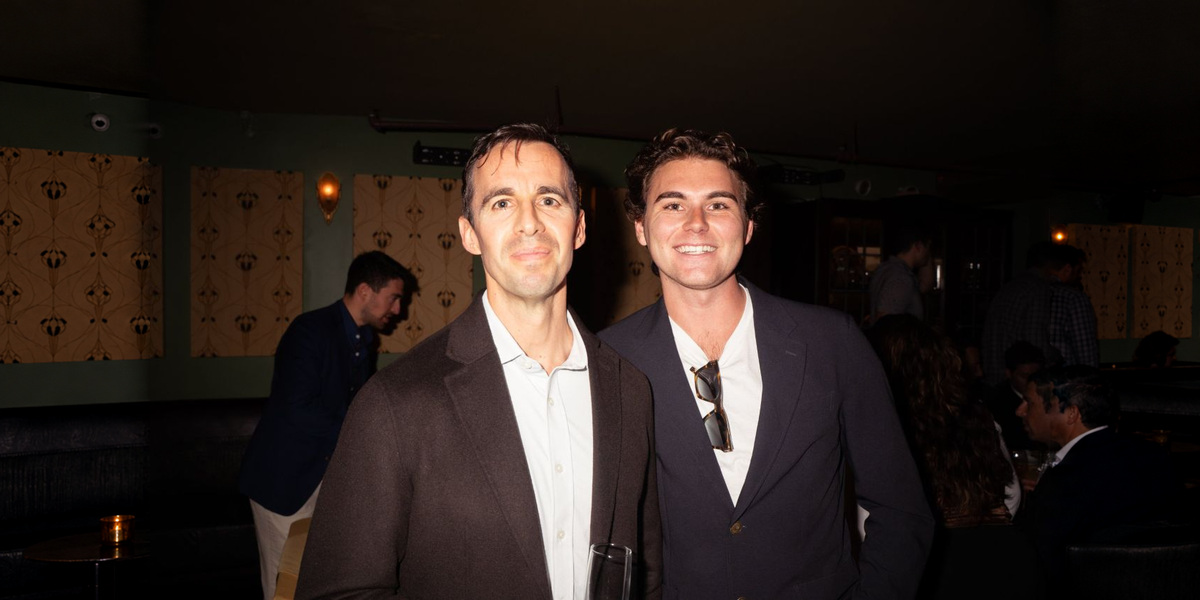
Glewee’s founders, Dylan Duke and Christian Brown, were recognized on Forbes’ 2023 30 Under 30 list in Marketing and Advertising for their work building the platform.
Glewee gave creators a feed of available campaigns they could apply to join. Brands could review those applications, agree on terms, approve content, and pay through the platform. The company also uses human vetting, reviewing applicants’ engagement, previous brand work, follower counts, and adherence to community guidelines.
The decision to make creators apply for individual campaigns helped address a problem with influencer databases: a list of accounts still left a merchant responsible for finding out who actually wanted the job. On Glewee, the application itself established that interest.
Building With A Gen Z Team That Knew The Medium
Christian Brown initially looked to friends and recent university graduates when building the team. In an interview with Agorapulse, he recalled recruiting people whose experience included starting e-commerce businesses and working in social media. Familiarity with the platforms carried weight alongside their willingness to work in a young software company.
Some were only days out of university when they joined.
That Gen Z team brought experience from participating in the same online markets Glewee was trying to serve. Employees had sold products, built audiences, and worked with the formats brands were hiring creators to produce.
Christian Brown described a workplace where employees could take an idea into the market and examine its performance. Individual team members had responsibility for particular business goals, with room to choose how they reached them.
Some joined as interns and stayed through their college years before taking full-time jobs. Christian Brown and his colleagues jokingly called that progression “Glewee University.”
One former intern eventually left to manage a major celebrity’s social accounts. Christian Brown recalled the team’s pride in watching someone they had trained earn a role that attracted considerable competition.
The same interview offered a less formal glimpse of the hiring process. Candidates were asked whether they would rather be a tree or a river, and why. Christian Brown said the question prompted conversations about how people thought, rather than determining whether they were hired.
The team has continued developing the product while working with the people using it. “The most important learnings have come from the users themselves,” Christian Brown told Net Influencer in 2024.
Subsequent additions have included gifting campaigns, Shopify integration, and affiliate marketing. Merchants can import product information, distribute creator discount codes, and track the resulting sales. The affiliate capability, introduced in 2025, lets brands offer commissions through Glewee alongside other campaign arrangements.
Beyond The First Payment
At September’s IAB CreatorFronts, industry participants identified inconsistent reporting, measurement, and contract terms as obstacles to further growth. They also described brands assembling ongoing portfolios of creators, increasing the work involved in managing those relationships.
Activity on a marketplace shows that transactions are happening, although platform-wide activity cannot establish how much an individual creator earns or whether that income is consistent.
In CreatorIQ’s August survey, content creation was not the primary source of income for 62% of respondents. That leaves Glewee’s founders and team building a service for an expanding advertising market while serving creators for whom a campaign may still be an occasional source of extra money.
Christian Brown has said publicly that some creators have completed a hundred campaigns through Glewee, while others secured their first brand deal there. Those accounts suggest the platform is serving people at different stages of their careers.
Making repeat work more common is the next business challenge. Glewee has already built a working marketplace between brands and creators. For Dylan Duke, Christian Brown, and their team of Gen Z innovators and marketers, the task now is to give those brands enough reason to keep booking, and more creators a reliable place to find the next paid assignment.