
By: Matt Emma
Before infidelity strikes a relationship, many people believe they already know how they would react, but in reality, things are rarely that straightforward.
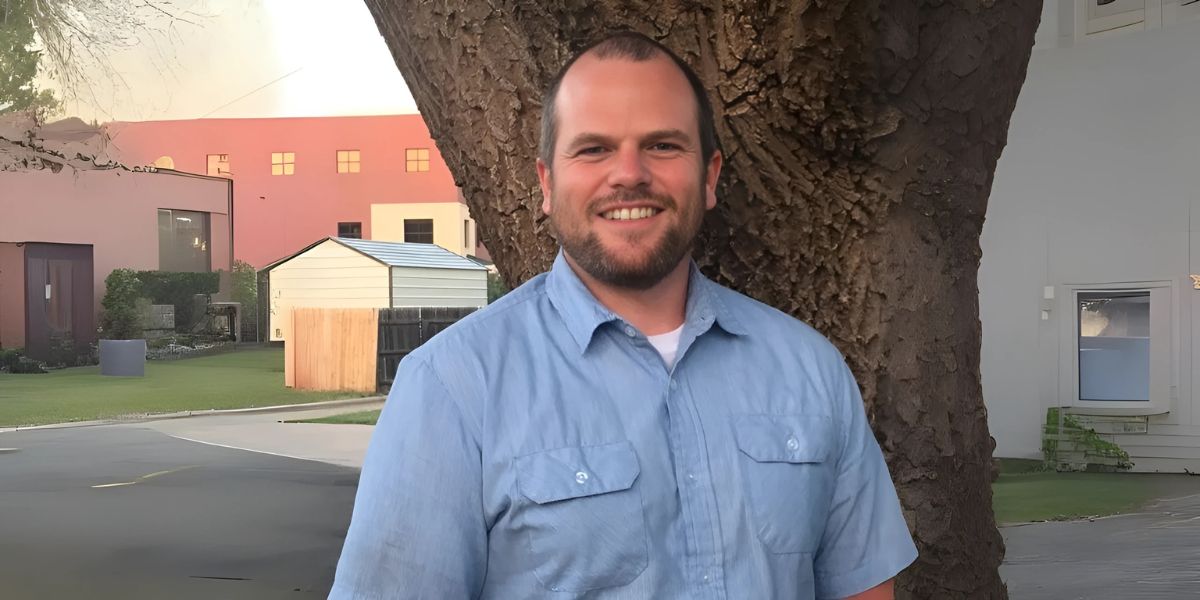
“One of the first things we address is the shame someone feels for not walking away,” says Porter Macey, Therapist and Co-Owner of Amber Creek Counseling and Psychiatry. “That decision, whether to stay or leave, is often more complicated than it may seem from the outside. Both options require significant effort.”
Macey has spent years guiding couples through the aftermath of betrayal. He emphasizes that there isn’t one “right” choice, but rather the need for clarity, purpose, and support in making a decision. “For the couples who decide to stay and work through the issues, the relationship that eventually develops can sometimes be stronger than it was before,” he notes.
The early stages of healing often involve what Macey describes as an “unsustainable relationship.” This might involve constant check-ins, answering the same questions repeatedly, or sharing one’s location all day. “This isn’t where the couple aims to stay long-term,” he says, “but it can provide the injured partner with a sense of stability and control, an anchor while rebuilding trust.”
While this hyper-connected state isn’t meant to last forever, it does serve a purpose. “We view it as a phase,” says Macey. “It’s a deliberate, mutual agreement to do what’s necessary for now—while keeping the long-term goal in mind.”
Rebuilding trust also involves grappling with complex emotions, particularly embarrassment. “The partner who was cheated on may feel as though they were not enough,” Macey says. “It’s important they understand: people don’t cheat because of their partner. They cheat because of their own choices.”
Therapy, Macey adds, helps normalize these emotions. “We’re not excusing the betrayal, but we’re creating space for both people to heal. Shame may not be productive for growth, but compassion can support the healing process.”

That healing process extends to the person who had the affair, too. “They often feel a sense of confusion and shame,” says Macey. “Most of the time, they didn’t plan to have an affair. It’s usually the result of a series of small decisions that accumulate over time.” These individuals may struggle with understanding how they arrived at that point and may feel as though there’s no room for their emotions in the healing process.
“The therapy is focused on the relationship, but in the beginning, the partner who was cheated on typically receives more of the attention,” Macey explains. “At times, it can be helpful for the person who cheated to have their own separate therapist, someone who can assist them in processing their emotions without judgment.”
Physical intimacy adds another delicate layer to the rebuilding process. “It’s common for someone to feel turned off, or even, to their own surprise, to feel some level of attraction due to intrusive thoughts about the affair,” Macey says. “Those feelings can shift, ebb, or even interchange. Navigating this dynamic takes time, honesty, and patience.”
He also encourages couples to be mindful of each other’s personal boundaries when it comes to sharing details about the affair. “Some partners want every detail, while others prefer to know nothing. Neither is inherently right or wrong, but both choices carry consequences.”
Throughout the process, Macey emphasizes the value of personal growth. “By the time trust starts to rebuild, couples have usually developed patience, assertiveness, and better communication skills,” he says. “They gain these skills as a natural outcome of doing the work.”
Support systems also play a role, but should be approached with care. “Friends and family often react emotionally,” Macey cautions. “They might say, ‘Just leave,’ without understanding the full context. If you are seeking support, it’s important to be clear about what you need. You might say something like, ‘I’m not ready to decide yet, I just need someone who can listen and support me through this.’”
Ultimately, Macey encourages anyone navigating infidelity on either side not to do it alone. “It’s an incredibly complex emotional landscape,” he says. “Therapy provides a space for gaining clarity and working toward healing. Whether a couple decides to separate or stay together, having someone guide the process can be incredibly helpful.”
Because sometimes, as painful as betrayal is, it can become the turning point—the moment that disrupts the cycle—leading to something better.
Disclaimer: The content provided is intended for informational purposes only and should not be construed as professional advice. Readers are encouraged to seek the guidance of a licensed therapist or counselor for personal counseling or relationship concerns. The article is not a substitute for individualized therapeutic care or consultation.