
By: Matt Emma
To ride a wave is to step into a world that is both humbling and transformative. The ocean demands presence; it strips away distraction, ego, and pretense, leaving only the rhythm of breath, the pull of tide, and the fleeting joy of balance on water. Surfing has long been romanticized as a lifestyle associated with a narrow image: the sun-bleached, blonde-haired archetype that has dominated the media for generations.
Yet in reality, the ocean has always been more diverse, more communal, and more deeply tied to stories of migration, resilience, and healing. Bridging that gap is the mission of WeSurf Media, a company founded by Kwame LaBassiere, P.h.D to expand the narratives of who surfers are and why their stories matter.
LaBassiere first launched the WeSurf podcast with his co-host, Nigel Louis, a grassroots project that began with little more than a microphone and determination, rooted in the goal of showcasing the stories of surfers who are rarely given a platform.
“Whenever you search the word surfer on the internet, the ones that come up aren’t the ones that truly represent the sport,” he explains. “We wanted to tell the stories of the folks you don’t think of when you think of a surfer, the grandpa who picked it up two years ago, an elderly woman in Sri Lanka, and communities that may not often get covered in mainstream surf media.”
With six episodes released last year, the podcast gained traction and proved there was a hunger for authentic storytelling. But LaBassiere quickly realized that a podcast alone could not capture the breadth of voices waiting to be heard.
Out of that realization, WeSurf Media was born in early 2025. Based in Rockaway Beach and rooted in what LaBassiere calls “saltwater storytelling,” the venture has grown beyond audio conversations into a platform dedicated to encouraging people to share their own surf stories.
“WeSurf Media exists to prove that the ocean is big enough for all of our stories,” he says. “Whether it’s someone in Fiji whose grandparents weren’t allowed to surf certain breaks because hotels took them over, or a family in California who has been surfing the same waves for 80 years, those stories all matter.”
Already, the company is expanding into publishing and media production. LaBassiere has supported emerging writers in developing their first books, including a fantasy novel with protagonists of color that traces its lineage back to the West Coast of Africa. He has also authored his own book on epigenetics and hydrotrauma, exploring the connections between science, identity, and the sea.
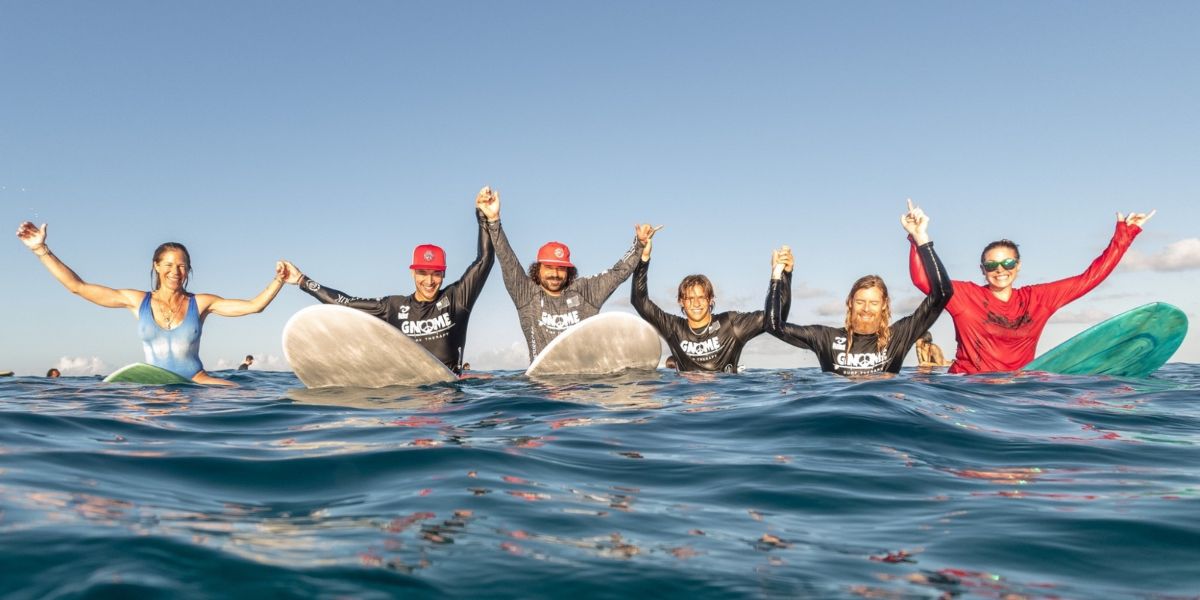
In the pursuit of creating spaces for these voices, WeSurf challenges the surf industry’s longstanding underrepresentation of marginalized communities while building bridges across generations and geographies.

At the same time, WeSurf Media is amplifying cultural events that highlight diversity in surfing. The team is preparing to cover a festival, featuring not only surf contests but also yoga, double Dutch competitions, food, and cultural exchange. “It’s a celebration of community, joy, and visibility. Professional surf leagues rarely reflect the diversity of people in the lineup. This is creating a space where that visibility thrives.”
The work also ties into broader challenges in the surf ecosystem: the representation gap, the access gap, and the wellness gap, which platforms like WeSurf address by documenting stories often overlooked. These layers intersect in LaBassiere’s holistic mission, reinforcing his belief that surfing is more than a sport, but a form of healing and cultural expression.
“Surfing has always been more than just riding waves,” he reflects. “For some, it’s therapy. For others, it’s heritage. And for many, it’s simply joy. What we’re saying is that everyone’s story has a place in the ocean. The sea doesn’t discriminate, and neither should surf media.”
By bringing overlooked voices into the spotlight, WeSurf Media and its podcast are reframing what it means to belong in surf culture, creating space for surfers of every background, age, and story. And in doing so, LaBassiere and his team are ensuring that when the next generation looks up ‘surfers’ on the internet, they’re welcomed not with superficial images, but impactful stories.