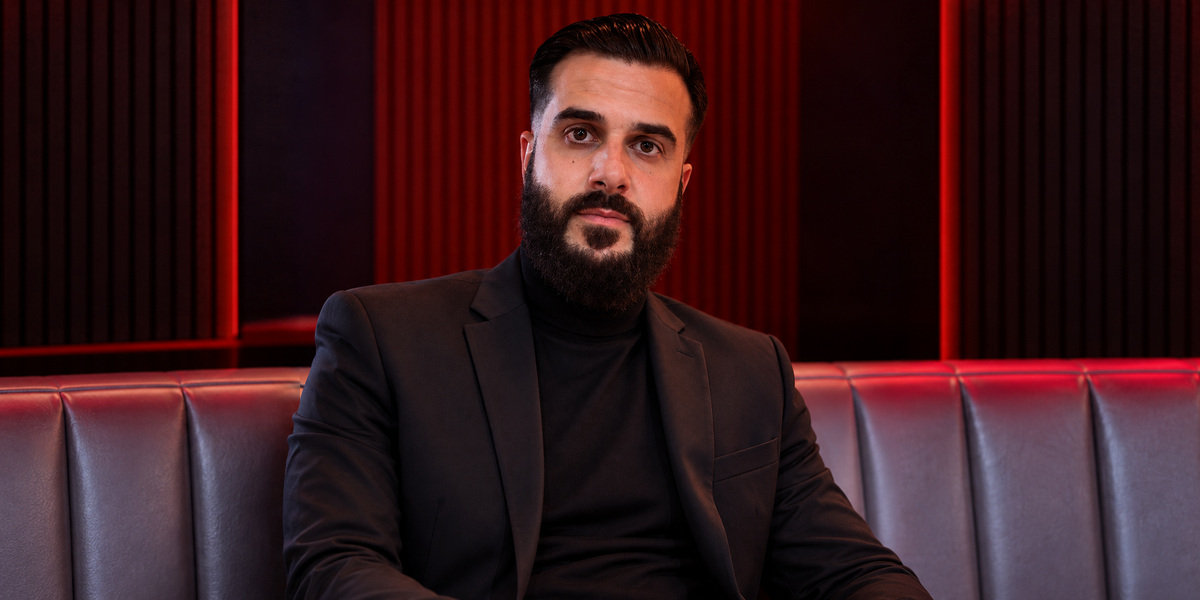

By: Natalie Johnson
In 2023, when Emily Campbell received her diagnosis, first misdiagnosed as low-grade serous ovarian cancer, then correctly identified as borderline ovarian tumors, she encountered something that shaped everything that followed. Across multiple doctors, specialists, and care team conversations, the consistent reality was that these cancers were rare, misunderstood, and chronically underfunded. At the time of her diagnosis, there were no FDA-approved specific treatments for low-grade serous ovarian cancer and no global consensus among oncologists on treatment protocols for borderline tumors.
Campbell founded Not These Ovaries not because she had a philanthropy background, but because she had firsthand evidence that other women were getting the same non-answers she had received. “It’s not because the doctors don’t care or don’t want to know,” Campbell notes. “It’s because they just don’t have enough funding or space to do the research they need to do on these particular types of cancers.”
The Clinical Gaps That Make Early-Stage Research Non-Negotiable
Platinum-based chemotherapy, the traditional treatment, works for a very specific subset of patients and fails the majority. The reason why remains unresolved. That is a foundational knowledge gap that no drug optimization can bridge without first understanding the underlying tumor biology. Not These Ovaries prioritizes funding research at the most nascent stages of clinical trial development, the molecular biology level, where the goal is to understand these tumors themselves before moving to individual patient trials.
Closing the clinical knowledge gap requires starting where the gap actually begins, with why these tumors behave the way they do, why certain treatments work for some patients and not others, and what makes borderline and low-grade serous ovarian cancers categorically different from the broader ovarian cancer population.
Beyond tumor biology, survivor insights are central to the research priorities Campbell pursues. The average age of ovarian cancer diagnosis overall is 63. For low-grade serous, it is 45, a nearly 20-year difference. These are younger women with longer lives ahead of them, facing a chronic disease that requires potentially indefinite treatment. Quality of life and treatment tolerability are not secondary considerations for this population. They are central to what research must address.
Philanthropy is the Bridge Biotech Cannot Be
Biotech companies operate in a commercial environment. Smaller patient populations mean smaller revenue streams, which makes investment in rare diseases structurally difficult to attract, regardless of medical need. Recent U.S. administration funding cuts to cancer research have further narrowed the available sources of early-stage capital. The result is a landscape where the research most critical to patients with rare cancers is also the research least likely to attract institutional investment.
Philanthropic funding fills the gap that biotech cannot, and is designed to. The lifecycle of a clinical trial requires different capital at different stages. Individual donor and philanthropic funding is most critical during the theory-building phase, before a concept has been proven viable enough to attract larger commercial investment. Once a theory has been demonstrated, biotech companies can contribute capital that individual donors cannot match. The partnership model is not a compromise; it is the structure that makes both funding sources more effective.
Campbell is direct about the stakes of getting that partnership right: “We need biotech companies, they need individual donors. The researchers need both, and the patients need both.” With breakthrough momentum building across several cancer categories, including advances associated with the Galleri multi-cancer blood test, progress in pancreatic cancer, and real progress in the low-grade serous community over the past three years, the urgency now is to maintain that momentum through continued investment, continued inclusion of rare ovarian cancer patients in clinical trials, and continued elevation of survivor voices in the research that will ultimately determine their quality of life.
Visit Not These Ovaries for more insights on rare ovarian cancer research, nonprofit fundraising strategy, and the biotech-philanthropy partnerships.