
For years, women leaders have been told to work on their confidence, as if belief were the missing ingredient standing between them and influence. Workshops, books, and well-meaning advice have reinforced the same message: speak up more, be bolder, believe in yourself.
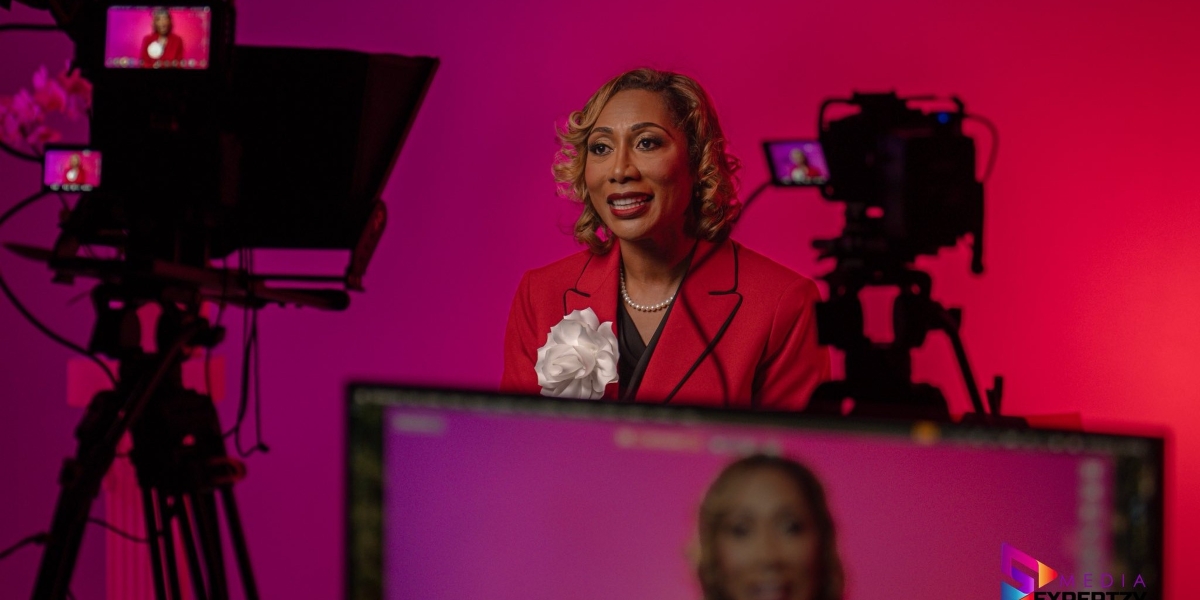
But Dr. Stephanie Wall has observed something different in leadership spaces where decisions are actually made. Confident women are everywhere. So are overlooked ones. The gap between the two has little to do with self-belief and everything to do with how leadership is framed and recognized.
Why This Distinction Matters
Confidence is internal. Leadership influence is external.
Many women enter rooms already certain of their expertise, experience, and capacity. What’s often missing is not confidence, but translation, the ability to frame their work, insight, and presence in ways that register as authority within systems that were not built with them in mind.
Dr. Stephanie’s work challenges the oversimplified narrative that women just need to “believe more.” Belief, while important, does not automatically create visibility or influence.

Who She Serves
Dr. Stephanie works with women who are already sure of their competence but are ready for their leadership to land differently.
She supports:
- Executives whose ideas are sound but underleveraged
- Founders who carry a vision but want greater traction
- Senior leaders navigating rooms where credibility is assumed for others
- Women who are done shrinking insight to make it palatable
These women don’t need motivation. They need positioning that reflects their true level of leadership. By framing their expertise and presence correctly, they can shift perceptions and unlock greater influence. This strategic positioning empowers them to lead without compromise and command the respect they deserve.
What Dr. Stephanie Observes
In many leadership environments, women communicate thoughtfully, thoroughly, and collaboratively. Their ideas are often offered with context, nuance, and care. While these qualities add depth, they can also dilute perception in spaces that reward brevity and certainty.
Dr. Stephanie frequently sees women explain instead of declare, qualify instead of claim, and wait instead of lead—despite knowing exactly what needs to be said. This hesitation often stems from a learned behavior of seeking approval or avoiding conflict, rather than embracing their authority. As a result, their ideas can be overlooked, even when they hold the answers that move the conversation forward.
This is not insecurity. It’s an adaptation.
The Framework She Brings
Dr. Stephanie helps women shift from internal confidence to external authority.
Her work focuses on helping women:
- Claim expertise without over-justifying it
- Speak with clarity instead of excessive context
- Frame ideas in ways that guide decisions
- Understand how authority is perceived and projected
This shift allows women’s leadership to be recognized—not just respected. When women own their authority and speak with clarity, their influence becomes undeniable. They no longer need to work harder to be seen; their leadership speaks for itself.
What Changes When Authority Is Claimed
When women align confidence with clear authority, the impact is immediate.
Their contributions are referenced.
Their perspectives shape direction.
Their leadership presence is unmistakable.
They are no longer “good contributors” in the room—they are leaders of the room.
The Leadership Moment Ahead
The next era of leadership requires more than confidence. It requires discernment, clarity, and a strategic voice.
Dr. Stephanie Wall’s work reminds women that believing in themselves was never the problem. The real work is ensuring that belief is translated into influence that others can see, feel, and follow.
Because leadership doesn’t just come from knowing your value, it comes from making that value visible.
She Has Something to Say
Where leadership, voice, and legacy meet.

Scan to step into She Has Something to Say, a leadership experience for women ready to unmute their voice, claim their influence, and lead what’s next.