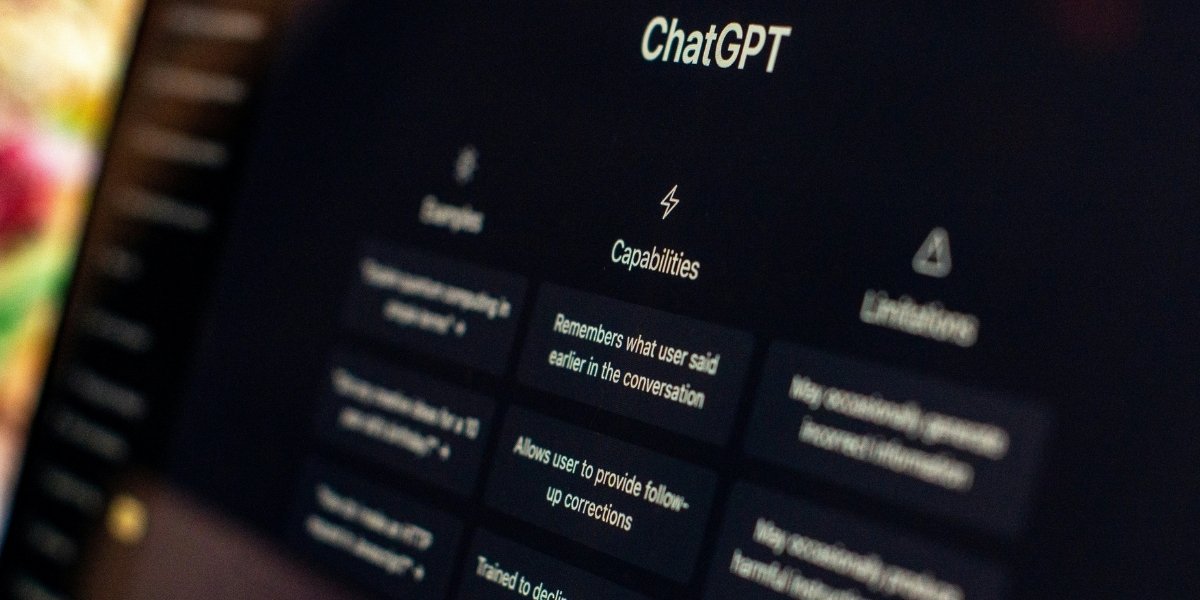

ChatGPT has officially turned three, marking an important milestone in the evolution of artificial intelligence and its growing role in everyday life. Since its launch in late 2022, ChatGPT has gone from a novel experiment to a widely used tool that impacts various industries, classrooms, and households. As we reflect on this third anniversary, it’s evident how quickly generative AI has transitioned from a curiosity to an essential part of modern life.
For many, ChatGPT represents the first time AI feels both accessible and practical. Millions of users now rely on it for a wide range of tasks, from drafting emails to brainstorming creative projects. This milestone not only highlights the tool’s remarkable growth but also its broader impact, as more people turn to AI for assistance in their daily lives.
The third anniversary of ChatGPT raises intriguing questions about what’s next. As the technology continues to evolve, the future of communication, work, and creativity will inevitably be shaped by AI. This milestone serves as both a celebration of progress and a reminder of the challenges that come with the rapid adoption of new technologies.
The Journey from Launch to Global Reach
When ChatGPT debuted in November 2022, it quickly captured the public’s attention. Within weeks, millions of users had signed up, making it one of the fastest-growing consumer applications in history. Its ability to generate human-like responses to a wide range of prompts set it apart from earlier AI tools, sparking a level of excitement unseen in the tech world.
By 2025, ChatGPT had become a fixture in daily routines for millions. Reports indicate that hundreds of millions of people worldwide were using the tool on a weekly basis, a level of adoption that surpassed many traditional platforms. This rapid growth demonstrates the increasing demand for accessible and conversational AI, which has become indispensable in both personal and professional contexts.
The journey from launch to global adoption reflects broader trends in technology. Just as smartphones revolutionized communication, ChatGPT has reshaped how people interact with information and engage with AI. The third anniversary prompts us to reflect on how quickly society has embraced AI as part of everyday life.
ChatGPT’s Impact on Everyday Life
ChatGPT’s influence extends far beyond its adoption rate. It has fundamentally changed the way people search for information, often becoming the first choice for answers rather than traditional search engines. While Google still dominates search globally, many users now turn to ChatGPT as an alternative or complement for obtaining answers, demonstrating how AI is reshaping digital habits.
In classrooms, ChatGPT has proven valuable as a study aid, helping students grasp complex concepts and improve their writing. Whether it’s assisting with homework or enhancing understanding in subjects like mathematics and literature, ChatGPT has integrated itself into education, offering personalized support to learners at various levels.
In workplaces, ChatGPT has streamlined various processes, such as drafting reports, summarizing meetings, and generating creative ideas. By automating routine tasks, the tool has enabled professionals to focus on more strategic work, improving overall efficiency and productivity. These applications show just how deeply embedded ChatGPT has become in both professional and personal environments.
As more people turn to ChatGPT for support, the ongoing conversation about creativity, originality, and human dependency on AI continues to grow. Some embrace its ability to spark new ideas and aid in creative endeavors, while others question how heavy reliance on AI might impact human skills in the long run. This ongoing debate underscores the influence ChatGPT has on not only productivity but also personal identity and the future of creative fields.
Industry Shifts and Economic Influence
ChatGPT’s rise has caused ripple effects across various industries. Tech companies have accelerated their own AI development initiatives, spurring innovation and increasing competition. In turn, hardware providers, cloud services, and software platforms have adapted to meet the growing demand for AI solutions.
The economic impact of ChatGPT is also profound. AI-focused companies and infrastructure providers have seen rapid growth, with some reaching record valuations. For instance, companies producing AI chips, like Nvidia, have seen their stock prices soar as the demand for AI-powered hardware continues to increase. ChatGPT’s success has contributed to a broader sense of enthusiasm for AI, prompting businesses across industries to integrate AI-driven solutions into their operations.
The anniversary raises important questions about sustainability. As AI adoption continues to accelerate, industries must balance the drive for innovation with ethical and practical considerations. The journey of ChatGPT reminds us that while AI offers immense potential, we must be cautious in how we integrate this technology into the global economy to ensure long-term success and responsibility.
Addressing Challenges and Ongoing Conversations
While ChatGPT’s third anniversary marks a major achievement, it also brings to light ongoing challenges. Concerns about accuracy, bias, and the reliability of AI-generated content continue to dominate discussions. Users and experts alike continue to examine how best to ensure that generative tools like ChatGPT provide trustworthy and unbiased information. Addressing these concerns will be essential as AI becomes an even more integral part of our daily lives.
Another challenge lies in balancing accessibility with responsible use. As more people rely on ChatGPT, questions arise about how it should be integrated into various industries, including education, creative fields, and workplaces. These conversations reflect a broader need for clear guidelines and best practices when it comes to AI’s role in society. With the potential for both positive and negative outcomes, it is crucial to shape the future of AI thoughtfully and inclusively.
Looking ahead, the role of AI will only expand. Will ChatGPT continue to dominate the AI landscape, or will new players emerge to challenge its lead? Regardless of which direction the technology takes, it’s clear that AI will continue to play a pivotal role in shaping the future of communication, work, and creativity.
The Future of AI: Embracing Innovation and Responsibility
ChatGPT’s third anniversary isn’t just a celebration of what has been achieved; it’s a glimpse into what the future holds for AI. As the technology advances, its potential applications in everyday life will only increase. From personalized assistance to complex problem-solving, the possibilities are vast. The third anniversary serves as a reminder of how quickly AI has become embedded in our lives and how much more it can shape our world in the years to come.
As we look forward, the integration of AI into daily life will likely deepen. The future of ChatGPT, and AI in general, points to more sophisticated applications, from tailored educational tools to advanced decision-making systems in businesses. With continued advancements in generative AI, the potential to influence industries like healthcare, finance, and entertainment is substantial.
The story of ChatGPT’s growth is a reflection of how innovation can transform society in unexpected ways. The third anniversary marks a pivotal moment in the ongoing AI revolution, providing an opportunity to reflect on the progress made and to anticipate the exciting developments on the horizon. As we continue to explore the possibilities of artificial intelligence, the journey of ChatGPT will serve as a guiding example of how technology can evolve and integrate into every facet of our lives.