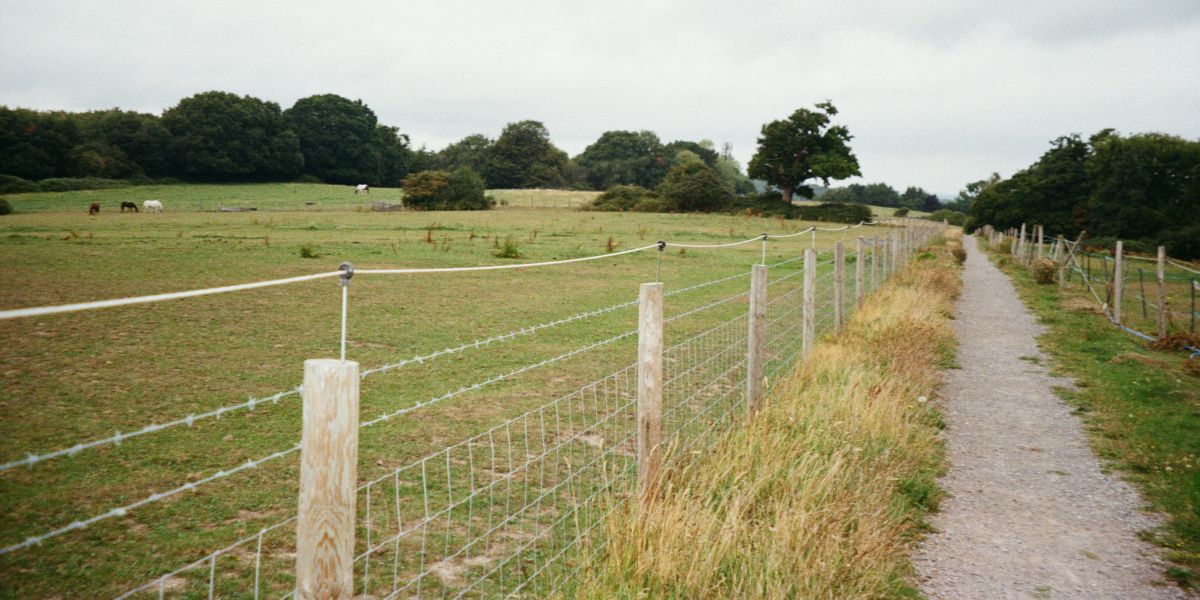

Fencing a hobby farm doesn’t always require the use of tractors, augers, or expensive contractors. The simplest way to fence a hobby farm without heavy machinery might involve using affordable methods like T-posts, pallet fencing, or pre-built panels, which can be installed with basic hand tools. These approaches can help keep animals secure, define property lines, and save both time and money.
Many small-scale farmers opt for lightweight materials that are easier to handle and set up on uneven ground. Adjustable corner kits, bucket-set posts, and woven wire panels may make it possible to build fences that are relatively strong and reliable without the need for digging deep holes or pouring large amounts of concrete. With some thoughtful planning, it is likely that anyone can create a durable fence that works for their land and livestock needs.
Key Takeaways
- Simple tools and materials can make fencing possible without heavy machinery
- Practical methods allow for strong and secure fences on various terrains
- Cost-effective approaches can keep projects flexible and affordable
Fundamentals of Fencing a Hobby Farm Without Heavy Machinery
Fencing a hobby farm without machinery often requires careful planning, the right choice of materials, and practical installation methods that avoid heavy digging. By focusing on layout, material selection, and no-dig techniques, landowners may be able to build durable fences using only hand tools and manageable equipment.
Planning Your Fence Line and Layout
A clear layout helps prevent wasted effort and reduces the chance of misaligned posts. Farmers typically start by walking the property and marking corners with stakes, then running string or twine to outline straight lines. Measuring distances between posts can help ensure consistent spacing. For most livestock fencing, posts are set 8–12 feet apart, although smaller animals might require closer spacing. Gates should ideally be positioned where equipment or animals need regular access.
Sloped or uneven terrain may require some adjustments. Instead of forcing a straight level line, posts can follow the ground’s natural contour, with wire or mesh stepped to match elevation changes. This approach helps avoid gaps that animals could potentially push through.
Choosing Suitable Fence Materials for DIY Installation
The choice of materials influences both cost and ease of installation. Lightweight options such as welded wire, woven wire, or poly tape tend to be easier to handle without machinery compared to heavier materials like lumber or steel panels. Wooden posts remain common, but treated pine or cedar posts could be set with minimal digging if soil conditions permit. For quicker installation, T-posts or fiberglass rods can be driven into the ground with a manual post driver, removing the need for an auger or post-hole digger.
Electric fencing offers a practical alternative that may require fewer posts overall. For small-scale farms, an electric fence starter kit from Jono & Johno or similar suppliers can provide the basic components needed to enclose animals without hauling heavy supplies. Such a system could be especially useful if portability or future adjustments are expected.
No-Dig and Minimal-Dig Fence Methods
No-dig fencing methods can save time and reduce labor. Instead of deep holes, some systems use ground spikes or sleeves that anchor posts securely with only a sledgehammer. This makes it possible to set posts quickly without the need for specialized machinery.
On rocky or compacted soil, augers and post-hole diggers might be impractical. In these cases, surface-mounted posts or weighted bases can support panels for pens or temporary enclosures. While not as permanent as buried posts, they could offer flexibility for rotational grazing or seasonal fencing.
Minimal-dig methods also include driving T-posts directly into the ground. With a manual driver, a single person may be able to install dozens of posts in a day. Combining these posts with wire, mesh, or electric tape can create a strong barrier without relying on heavy equipment.
Easy DIY Fence Types and Step-By-Step Installation
Simple fencing methods make it possible for small-scale landowners to secure animals, mark boundaries, and add structure without needing tractors or augers. Lightweight materials, no-dig systems, and repurposed supplies can allow effective barriers to be built with only hand tools and careful planning.
Wire Fence Options: Field, Welded, and Barbed Wire
Wire fencing remains one of the most practical solutions for hobby farms. Field fence, welded wire, and barbed wire each serve different purposes depending on livestock and budget. A field fence with rectangular openings works well for goats, sheep, and dogs. Welded wire is lighter and ideal for gardens or poultry runs. Barbed wire is commonly used for cattle containment.
Installation typically begins with wood or metal fence posts spaced 8–12 feet apart. Corner posts should be set deeper for stability. A post driver or manual digger is sufficient for most soil types. Wire is unrolled along the line, pulled tight with fencing pliers or a come-along, and fastened with staples, clips, or ties.
Barbed wire needs at least three to five strands, while field and welded wire are generally stretched as single panels. Tension is important to prevent sagging. Adding a top strand of barbed wire above the field fence can help discourage climbing animals.
Electric Fence and Low-Effort Containment Solutions
An electric fence provides a lightweight alternative that requires fewer materials. It works by delivering a mild shock through charged wires, teaching animals to avoid the barrier rather than physically blocking them. This can make it effective for cattle, horses, and even temporary garden protection.
The system requires posts, insulators, wire or poly tape, and a charger. Posts can be step-in plastic stakes or metal T-posts. Wire or tape is threaded through insulators, and the charger needs to be grounded with metal rods. Solar-powered chargers help reduce the need for grid access, making them suitable for remote pastures.
Summary
Fencing a hobby farm does not have to require heavy machinery if planning, materials, and installation methods are kept simple. Many landowners find that using hand tools, recycled supplies, and straightforward layouts can offer both cost savings and reliable results.