
Tesla and SpaceX have established committees to evaluate a potential merger, bringing a possible combination of the two companies into formal consideration. The discussions involve businesses operating in electric vehicles, energy, aerospace and satellite communications. No final merger agreement or transaction terms have been announced.
Key Takeaways
- Elon Musk disclosed the merger discussions during a SpaceX quarterly earnings call.
- Tesla and SpaceX operate in different sectors, with businesses spanning electric vehicles, energy, launch services and satellite communications.
- The companies have not announced a completed agreement or final transaction terms.
- Any proposed combination would require further evaluation and applicable approvals.
Tesla and SpaceX Establish Committees to Discuss a Potential Merger
Tesla-SpaceX merger talks have moved into formal discussions, with committees established to evaluate a potential combination of the two companies, according to Elon Musk. The disclosure places a possible merger under consideration but does not establish that either company has committed to completing a transaction.
Musk discussed the process during SpaceX’s quarterly earnings call on October 20, 2026. The discussions concern two businesses with different operating structures and commercial activities, including Tesla’s electric vehicle and energy operations and SpaceX’s aerospace and satellite communications services.
The establishment of committees provides a formal process for examining the proposal. However, discussions and preliminary evaluations are distinct from a signed merger agreement. The companies would need to resolve the terms of any transaction before proceeding toward completion.
The potential combination also raises questions about how the businesses would be organized and governed if a deal were pursued. Their operations span manufacturing, energy technology, space transportation and communications infrastructure, each with different customers, capital requirements and operational priorities.
For corporate leaders, the immediate issue is the proposed transaction itself and the process required to assess it. The committees’ discussions do not establish that a merger will occur or that the companies have agreed on a shared operating structure.
The distinction between an initial proposal and a completed transaction is also relevant to executive alignment during complex transformations, particularly when leadership teams must coordinate separate business operations and strategic priorities.
Elon Musk Confirms Discussions Remain at an Early Stage
Musk disclosed the discussions while addressing SpaceX’s quarterly results. The disclosure confirmed that a potential combination was being considered, while leaving the outcome of the process unresolved.
No final agreement or definitive transaction terms have been announced. A proposal at this stage can still change or be abandoned before the parties reach an agreement. The establishment of committees alone does not confirm a transaction’s valuation, financing arrangements, ownership structure or timetable.
The process also involves governance considerations because Musk leads both companies. Evaluating a combination between businesses under common executive leadership requires a clear process for assessing the interests of each organization and the terms under which a transaction might proceed.
Independent board oversight and appropriate review procedures would be relevant to any proposed deal. The companies would need to evaluate the commercial rationale for combining their operations, alongside the costs, risks and requirements associated with integrating separate businesses.
The distinction between a potential transaction and a completed deal is central to understanding the announcement. Until the parties reach an agreement and satisfy the applicable conditions, the companies remain separate businesses operating under their existing corporate structures.
The discussions therefore represent an evaluation process rather than a completed corporate restructuring. Any subsequent announcement concerning agreed terms, approvals or a closing date would provide additional information about whether the proposal advances.
Tesla and SpaceX Operate Across Distinct Technology Markets
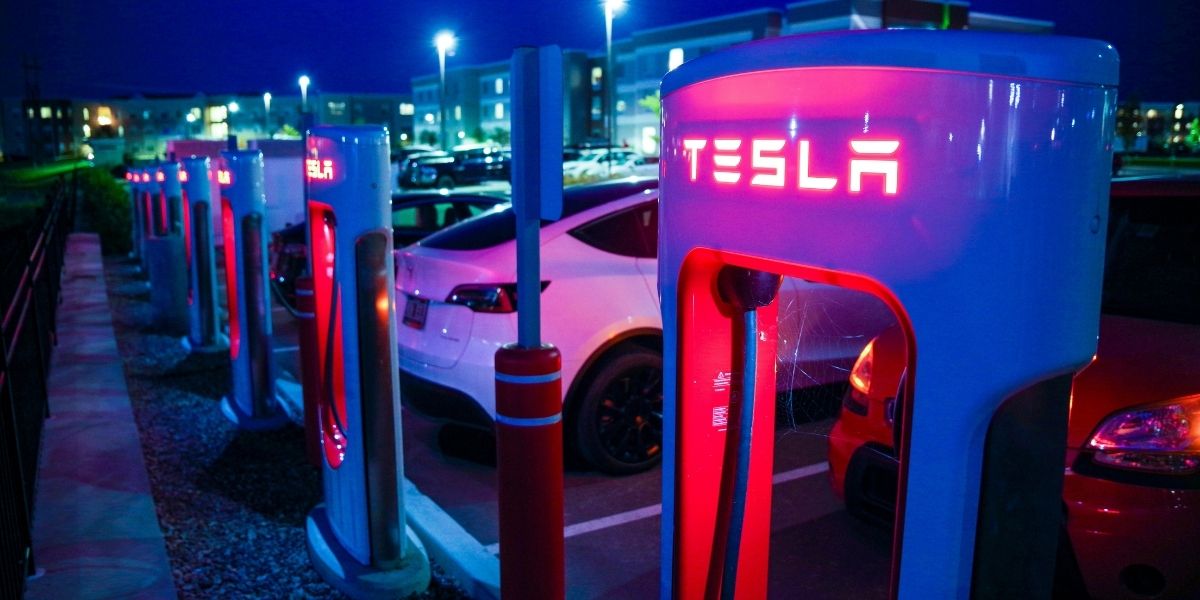
Tesla’s business includes electric vehicles, energy generation and storage products, and robotics initiatives. Its operations involve manufacturing, vehicle distribution, charging infrastructure and energy-related technologies.
SpaceX operates in aerospace and satellite communications. Its activities include launch services and satellite-based connectivity, requiring specialized engineering, launch infrastructure and communications systems.
These businesses serve different markets and operate under distinct commercial requirements. Tesla’s vehicle and energy operations depend on manufacturing capacity, product development and customer demand, while SpaceX’s launch and satellite businesses depend on aerospace engineering, launch operations and communications infrastructure.
A potential combination would therefore involve more than bringing together companies with related technology interests. Any transaction would need to address how separate operating units, management responsibilities, financial resources and business priorities would be coordinated.
The companies’ respective technology activities provide context for the proposal, but they do not by themselves establish the benefits of a merger. A formal transaction would need a defined rationale for combining the businesses and a plan for managing their different operations.
Corporate combinations can involve changes to reporting structures, capital allocation and management responsibilities. In this case, the extent of any changes would depend on the terms and structure of a proposal, neither of which has been finalized publicly.
The distinction between the two companies’ markets is also relevant to integration planning. Decisions about shared resources, business-unit independence and executive accountability would depend on the specific objectives of a proposed combination.
Corporate Governance and Board Oversight Remain Central to the Process
A potential merger involving two companies led by the same chief executive raises questions about how each organization would evaluate the proposal. Board oversight would be important in assessing the transaction’s terms, potential benefits, costs and effects on each company’s stakeholders.
The use of committees provides a structure for examining the proposal. Their responsibilities and any recommendations would need to be understood in the context of the companies’ governance arrangements and the eventual terms of a potential deal.
Corporate governance procedures are particularly relevant when a transaction involves complex business interests. Each company would need to consider its own corporate obligations and the interests of its shareholders, while assessing whether a proposed combination serves a clear business purpose.
A merger review would also involve practical questions about management authority and organizational structure. Executives would need to determine how responsibilities would be allocated across businesses with different operational requirements if a transaction advanced.
Those decisions could affect financial planning, executive accountability and the management of each company’s existing operations. However, the establishment of committees does not confirm that the companies have agreed to merge their management teams, assets or business units.
The governance process is separate from the commercial case for a transaction. A proposal would need both a defensible strategic rationale and a process capable of evaluating the deal’s terms and consequences before it could proceed.
The relationship between executive transitions and organizational design is addressed in strategic restructuring during leadership transitions, including board oversight, management responsibilities and changes to corporate structure.
Transaction Terms and Merger Approval Remain Unresolved
The next stage would depend on whether the discussions produce a mutually acceptable proposal. The parties would need to establish the terms of any transaction and determine how the combined business, if one were created, would be structured.
Potential transaction terms could address ownership, valuation, financing, management responsibilities and the treatment of existing business units. These are matters that would require agreement rather than assumptions based solely on the existence of merger discussions.
Any transaction would also be subject to applicable corporate procedures and approvals. The specific requirements would depend on the eventual structure of the deal and the rules governing the companies and the transaction.
A completed merger would require more than an initial expression of interest or an internal evaluation. The parties would need to reach agreement, complete the required review process and satisfy the conditions necessary to close the transaction.
Until those steps are completed, Tesla and SpaceX remain separate companies. Their existing operations continue to span different markets, and the potential merger remains under consideration rather than a confirmed change in corporate ownership.
The outcome will depend on whether the discussions result in agreed terms and whether the companies can satisfy the conditions required for a transaction. No final merger agreement has been announced.
Frequently Asked Questions
Have Tesla and SpaceX confirmed a merger agreement?
No final merger agreement has been announced. The companies have established committees to discuss a potential combination, but the discussions do not confirm that a transaction will be completed.
Who disclosed the Tesla-SpaceX merger discussions?
Elon Musk disclosed the discussions during a SpaceX quarterly earnings call on October 20, 2026. Musk leads both Tesla and SpaceX.
Which businesses would be involved in a potential Tesla-SpaceX merger?
The potential transaction would involve Tesla’s electric vehicle, energy and robotics activities and SpaceX’s aerospace, launch services and satellite communications operations. The exact scope of any combination has not been finalized publicly.
Have Tesla and SpaceX announced transaction terms?
No final transaction terms have been announced. A definitive proposal would need to establish the structure and conditions of any potential deal.
What approvals would a potential Tesla-SpaceX merger require?
The requirements would depend on the transaction’s structure and applicable corporate and legal procedures. Any proposed deal would need to satisfy the relevant approval requirements before completion.