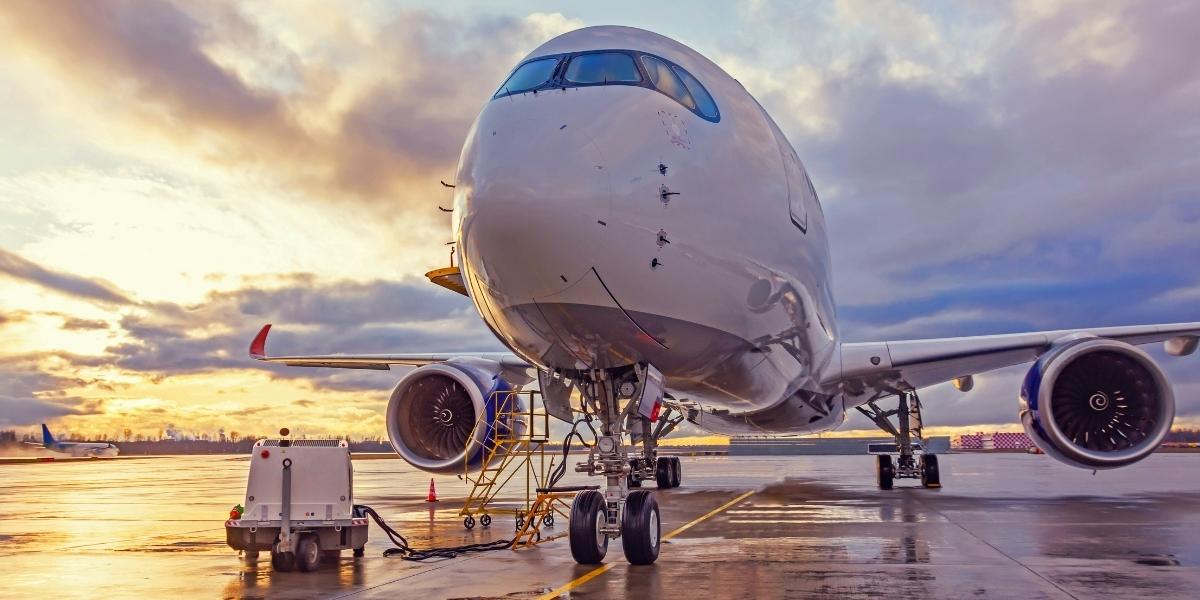

Boeing and Kelly Ortberg are putting a sharper boundary around the company’s portfolio after agreeing to transfer Wisk Aero, Insitu and SkyGrid to Archer Aviation. The deal matters because Boeing is reducing direct ownership of three specialized businesses while retaining access to Wisk’s autonomous-flight technology and a sizable stake in Archer.
Key Takeaways
- Boeing and Archer announced the transaction on Aug. 10, 2026, covering Wisk Aero, Insitu and SkyGrid.
- Boeing is set to receive shares equal to 19.75% of Archer’s outstanding Class A stock before closing, according to Reuters.
- A technology-sharing arrangement will preserve Boeing’s access to Wisk’s core autonomous-flight technology.
- The structure follows Kelly Ortberg’s stated emphasis on Boeing’s core businesses without creating a complete technology exit.
Boeing CEO Kelly Ortberg’s portfolio strategy is becoming easier to see in the Wisk transaction. Rather than keeping direct control of three specialized businesses, Boeing will shift them to Archer Aviation while preserving a continuing relationship around autonomous-flight technology.
That structure separates the deal from a straightforward asset sale. Reuters reported that Boeing will receive a 19.75% stake in Archer and the right to appoint a director to Archer’s board. The transaction is expected to close by the end of 2026, subject to closing conditions.
Boeing and Kelly Ortberg Put Core-Business Strategy in Focus
Ortberg became Boeing chief executive in August 2024 after previously leading Rockwell Collins. His return to the C-suite has also been examined through the broader issue of executive turnaround leadership, as Boeing worked through a period of operational and organizational pressure.
The latest transaction follows a direction Boeing has already described publicly. In April 2025, the company agreed to sell Jeppesen, ForeFlight, AerData and OzRunways to Thoma Bravo for $10.55 billion in cash. Ortberg described that transaction at the time as part of Boeing’s strategy to focus on core businesses and strengthen its financial position.
The Wisk agreement uses a different structure. Boeing is not receiving an all-cash payment. Instead, the company will take a sizable ownership position in Archer while retaining access to technology developed by Wisk.
That difference is central to the transaction. Boeing can reduce the number of businesses it manages directly without fully separating itself from autonomous-flight technology that could remain relevant to future aircraft programs.
The structure also gives greater definition to Ortberg’s portfolio approach. Previous transactions have included outright sales, while the Archer agreement combines a transfer of operating control with an ongoing ownership and technology relationship.
Wisk Deal Reduces Direct Ownership but Preserves Technology Access
Wisk has had a long relationship with Boeing. Boeing NeXt and Kittyhawk established Wisk Aero as a joint venture in 2019, and Wisk became a wholly owned Boeing subsidiary in 2023.
Under the Aug. 10 agreement, Archer will acquire Wisk along with Insitu, which develops uncrewed aircraft systems, and SkyGrid, which works on airspace technology. Boeing and Archer said the three businesses have nearly two million combined flight hours.
The technology-sharing provision is one of the transaction’s most important elements for Boeing. The company said it will retain access to Wisk’s core autonomous-flight technology for current and next-generation commercial and defense aircraft.
That gives the deal a two-part structure. Archer gains direct control of the businesses, while Boeing maintains a route to selected technology and continues to hold economic exposure through its Archer stake.
The company’s broader reset follows years in which operational issues and Boeing crisis communications received substantial attention during the 737 MAX period. Ortberg’s more recent public messaging has emphasized safety, quality, certification work and operating stability.
Moving Wisk, Insitu and SkyGrid to Archer changes who carries direct responsibility for those businesses. It does not, however, eliminate Boeing’s connection to the underlying technologies.
Production Scale Gives Boeing’s Portfolio Decisions More Weight
The timing comes as Boeing is managing a much larger aircraft production and delivery agenda. In the second quarter of 2026, the company reported $24.6 billion in revenue and 171 commercial airplane deliveries. Total company backlog reached a record $715 billion, including more than 6,200 commercial airplanes.
Ortberg described Boeing’s operating position in July by saying, “Our operations are more stable and key certification programs remain on plan.” Boeing also identified safety, quality and on-time performance among its continuing priorities.
Those figures add context to the portfolio decision. Boeing’s major aircraft programs require sustained coordination across manufacturing, suppliers, certification, customer deliveries and quality systems.
Specialized businesses such as Wisk also require management attention, technical resources and funding. Transferring those operations to Archer allows Boeing to change where that direct responsibility sits while maintaining technology access.
The structure is particularly notable because it differs from Boeing’s 2025 digital aviation sale. The earlier transaction brought Boeing $10.55 billion in cash, while the Wisk agreement gives Boeing shares in Archer rather than an immediate cash payment.
That contrast shows Boeing is not applying one formula to every portfolio decision. The terms appear to depend on the business involved and the relationship Boeing wants to maintain after ownership changes.
Wisk Sale Does Not Signal a Full Boeing Breakup
The Wisk transaction has raised questions about whether additional Boeing businesses could be sold. Analysts interviewed by Reuters on Aug. 14 said the deal appeared more likely to reflect Boeing’s treatment of a non-core operation than the beginning of a broad breakup of the company.
Jeppesen transaction and the Wisk agreement have been Boeing’s two major sales since Ortberg completed a portfolio review after becoming chief executive. The two transactions also differ substantially in their financial structures.
Boeing’s continuing access to Wisk technology further limits the case for describing the deal as a complete withdrawal from autonomous flight. The company is giving up direct ownership while preserving a defined connection to the technology and Archer.
For Boeing and Kelly Ortberg, the Wisk transaction therefore provides a clearer example of how the company is defining its operating boundaries. Boeing is reducing direct control of three specialized units while concentrating management attention on its larger aerospace operations and retaining a connection to autonomous-flight technology.
Frequently Asked Questions
What is Boeing selling to Archer Aviation?
Archer Aviation has agreed to acquire Boeing subsidiaries Wisk Aero, Insitu and SkyGrid. The businesses cover autonomous electric aircraft, uncrewed aircraft systems and airspace technology.
How much of Archer will Boeing own?
Reuters reported that Boeing will receive shares representing 19.75% of Archer’s outstanding Class A stock before closing. Boeing will also receive the right to appoint a director to Archer’s board.
Will Boeing still have access to Wisk technology?
Yes. Boeing and Archer said their collaboration will preserve Boeing’s access to Wisk’s core autonomous-flight technology for current and future commercial and defense aircraft programs.
What does the deal show about Boeing and Kelly Ortberg?
The Boeing and Kelly Ortberg portfolio strategy places greater emphasis on businesses the company considers core while preserving selected technology relationships. The Wisk deal follows that pattern by reducing direct ownership while maintaining technology access and a stake in Archer.