
Ford CEO Jim Farley told employees the company is preparing for Chinese automakers to enter the U.S. market within the next five to ten years. His remarks emphasize the competitive pressures facing U.S. manufacturers and Ford’s focus on maintaining its position in the global automotive industry.
Key Takeaways
- Jim Farley said Ford is preparing for Chinese automakers to enter the U.S. market within five to ten years.
- Farley cited China’s manufacturing scale and automotive capabilities as key competitive factors.
- Ford continues to emphasize improving the competitiveness of its own vehicle lineup.
- Executive Chair Bill Ford said U.S. automakers must compete directly with Chinese manufacturers.
- Ford executives also pointed to the importance of long-term industrial policy for U.S. manufacturing.
Ford CEO warns Chinese carmakers as the company prepares for the possibility that Chinese automotive brands could begin competing directly in the United States within the next decade. Jim Farley shared the outlook during an internal employee meeting, stating that Ford is planning for a future in which Chinese manufacturers enter its home market. The remarks are significant because they outline how one of America’s largest automakers is assessing long-term competitive risks and preparing its business strategy.
Farley said Ford expects Chinese automakers could reach the U.S. market within the next five to ten years. His comments indicate the company is planning beyond current market conditions while evaluating how global competitors may influence the domestic automotive sector.
The executive has previously described Chinese vehicle manufacturers as formidable competitors and has repeatedly stressed the importance of ensuring Ford remains competitive through its own product development and manufacturing capabilities, including the company’s broader EV turnaround strategy.
Ford CEO Warns Chinese Carmakers Could Challenge U.S. Market
Farley’s latest remarks focused on Ford’s preparations rather than an immediate market shift. He told employees the company is planning for the possibility that Chinese manufacturers will eventually compete directly in the United States.
Current U.S. restrictions have limited the ability of Chinese vehicle manufacturers to sell products in the American market. Even so, Farley said Ford is preparing for a longer-term scenario in which those companies establish a presence in the country.
His comments reinforce Ford’s emphasis on maintaining competitiveness through product development, manufacturing efficiency, and continued investment in future vehicle programs.
Farley has also previously stated that Chinese automakers have developed highly competitive vehicles, particularly in electric mobility, and that established manufacturers should continue improving their own offerings.
Internal Remarks Outline Ford’s Competitive Planning
The internal employee meeting provided insight into Ford’s strategic planning rather than announcing a change in company policy.
Farley explained that Ford evaluates competitive developments over extended planning cycles, making it necessary to prepare for changes that may occur several years into the future.
Long-term planning remains an essential part of automotive manufacturing because vehicle development, production investments, and supply chain decisions often require years before reaching customers.
Ford’s planning process therefore considers potential future competitors alongside current market conditions. Similar leadership transitions across the industry have also emphasized operational discipline in automotive leadership as manufacturers respond to global competitive pressures.
The company’s approach reflects an effort to maintain readiness regardless of when competitive conditions change.
Jim Farley Details Concerns Over China’s Automotive Industry
Manufacturing Capacity and Cost Advantages
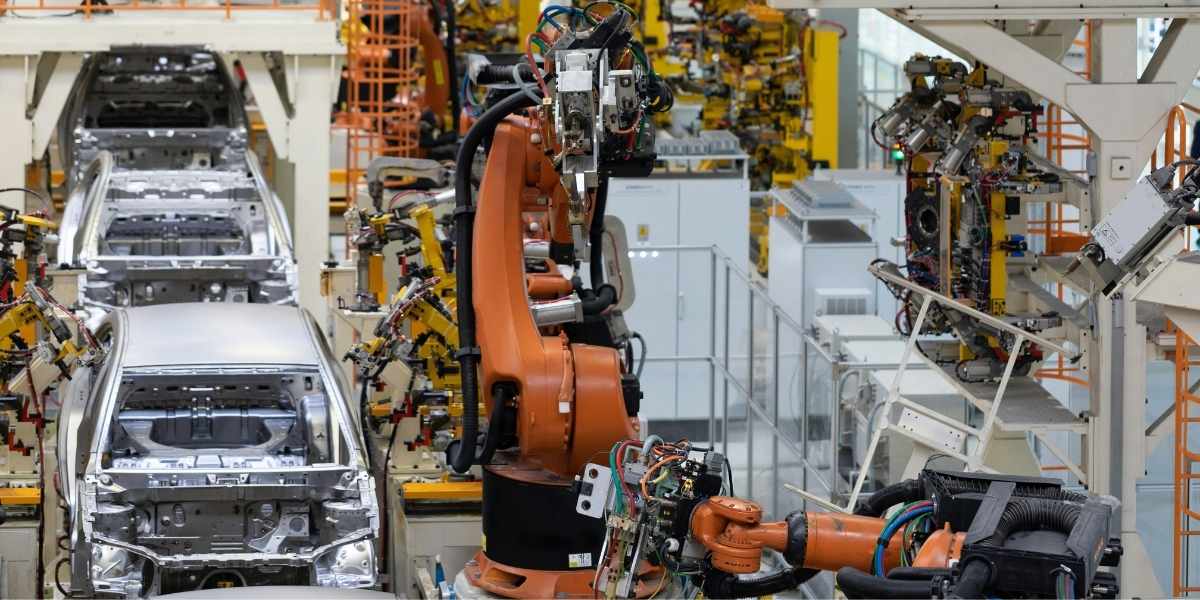
Farley has repeatedly pointed to China’s automotive manufacturing capacity as a major competitive advantage.
He has stated that Chinese manufacturers benefit from substantial production capability and have built an industry capable of producing significantly more vehicles than are sold within China’s domestic market.
According to Farley, that production capacity allows Chinese manufacturers to expand into international markets while benefiting from large-scale manufacturing operations.
He has also stated that government support has contributed to the rapid growth of China’s automotive industry and strengthened the competitive position of many Chinese manufacturers.
Ford’s Focus on Competitive Vehicle Development
Farley said Ford’s response is to improve the competitiveness of its own vehicles.
He has pointed to the company’s plans for new affordable electric vehicles manufactured in the United States as part of Ford’s strategy.
Farley has also argued that American manufacturers should continue investing in products capable of competing on technology, cost, and customer value. Those priorities align with Ford’s previously announced affordable EV development plans, which focus on improving long-term profitability.
His comments indicate Ford views product competitiveness as an essential response to increasing international competition.
Bill Ford Calls for Stronger Long-Term Manufacturing Strategy
Executive Perspective on Industrial Policy
Ford Executive Chair Bill Ford has also addressed competition from Chinese manufacturers.
He stated that U.S. automakers must be prepared to compete directly with Chinese companies rather than relying indefinitely on trade barriers or market restrictions.
Bill Ford said manufacturers should expect Chinese competitors to remain an important part of the global automotive industry.
He also stated that long-term industrial policy would provide greater certainty for manufacturers making investment decisions over extended production cycles.
Preparing for Future Global Competition
Bill Ford emphasized that automotive companies make decisions based on planning horizons that extend well beyond political cycles.
He said manufacturers require consistent long-term conditions when investing in factories, vehicle platforms, and production capacity.
His remarks align with Ford’s broader focus on preparing for future competitive conditions while continuing investment in domestic manufacturing.
The comments also reflect the company’s position that sustained competitiveness depends on product development and manufacturing performance.
Industry Outlook Centers on Global Automotive Competition
Chinese automakers have expanded sales in multiple international markets while increasing exports from domestic production facilities.
Ford’s leadership has consistently identified those manufacturers as significant global competitors because of their production scale, pricing capabilities, and growing technology development.
Farley’s comments indicate Ford expects competitive pressure to continue even if market access changes gradually.
The company’s leadership has maintained that preparing for future competition requires continuous investment in vehicle development and manufacturing capabilities.
Ford has not announced any immediate strategic changes following Farley’s internal remarks. Instead, the comments provide insight into how company leadership is assessing future competition and positioning the business for long-term market conditions.
Frequently Asked Questions
What did Ford CEO Jim Farley say about Chinese carmakers?
Jim Farley told employees that Ford is preparing for Chinese automakers to enter the U.S. market within the next five to ten years and that the company must remain competitive.
Why does Ford expect Chinese automakers to challenge the U.S. market?
Farley cited China’s manufacturing capacity, production scale, and automotive capabilities as major competitive factors that could influence future market competition.
What timeline did Jim Farley provide for Chinese automakers entering the United States?
Farley said Ford is preparing for the possibility that Chinese automakers could enter the U.S. market within the next five to ten years.
What has Bill Ford said about competing with Chinese manufacturers?
Bill Ford said U.S. automakers must be prepared to compete directly with Chinese manufacturers and emphasized the value of long-term industrial policy.
How is Ford responding to growing competition from Chinese automakers?
Ford has stated it will continue improving the competitiveness of its vehicles while investing in manufacturing and future product development to strengthen its position.