
Talent strategy has a timing problem. Businesses are moving faster than ever, and most organizations are responding with an annual talent review that was outdated before the ink dried. The gap between where the business is going and what the people strategy is built for is widening, and the consequences show up in execution failures that get blamed on everything except the actual cause.
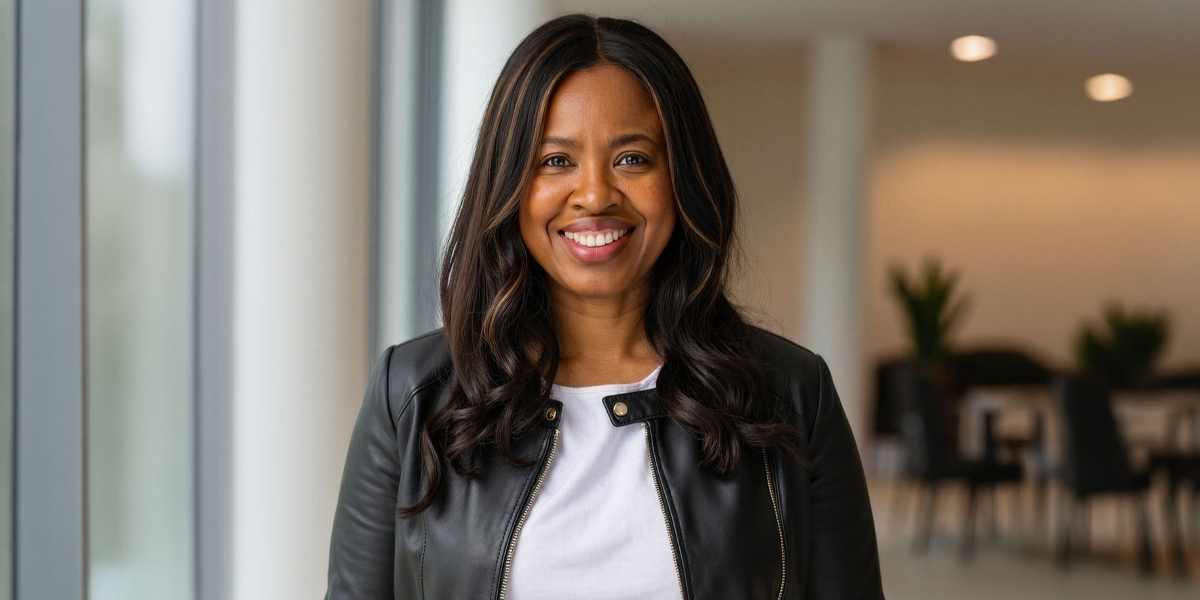
Morolake Esi, an organizational effectiveness and talent strategy executive, has spent her career closing that gap, building talent frameworks that move with the business rather than chasing it from a year behind. “If you don’t align your talent strategy as things change, what you put together is already twelve months behind,” Esi states. “And twelve months behind in this environment is the same as not having a strategy at all.”
The Annual Talent Review Is Already Obsolete
The old model, HR leads a once-a-year talent review, produces a strategy document, and revisits it quarterly at best, was never designed for an environment where business strategy changes as rapidly as it does today and workforce expectations shift with every generation that enters. It produces talent plans that reflect last year’s priorities and assumptions about what the work requires. The framework Esi builds is structured around three failure points she sees:
1. Cadence: the business moves, while the talent strategy sits still.
2. Ownership: talent strategy is treated as an HR deliverable rather than a business outcome, which means the people making the decisions are not the ones accountable for the results.
3. Intelligence: most organizations genuinely do not know what talent they have. They know job titles. They do not know skill sets, aspirations, or agility. Without that visibility, every talent decision is an educated guess.
Working with one leadership team navigating a significant business pivot, Esi embedded talent strategy directly into the executive conversation rather than running it as a parallel HR process. As the business expanded and shifted its customer focus, the talent question was live in the room every time strategy moved. The result was not just faster decisions, but the discovery that the organization already had the capability it thought it needed to hire for. People were redeployed into work that interested them and that the business urgently needed. Morale improved, engagement improved, and a six-month hiring cycle became unnecessary.
The Conversation Boards Are Not Having Yet
Automation and fluid project-based teams have already made headcount-based talent thinking inadequate. The organizations that are ahead are shifting from job-based to skill-based definitions of talent, focusing not on what role someone holds but on what they can do, how adaptable they are, and where their capacity can be deployed as the business shifts. AI accelerates every function it touches, shifting the critical question from how many people an organization employs to whether its people are equipped to use AI in ways that amplify their impact rather than replicate work the technology can already perform.
The board-level conversation that almost nobody is having yet is about leadership. Managing a team of humans is a known discipline. Managing a hybrid environment where human talent and AI capabilities must be integrated, optimized, and communicated in a way reaches customers requires a genuinely different kind of leadership. “The companies that figure that out fastest will be the ones that don’t just sound efficient,” Esi reflects. “They’ll sound human, and that is what actually wins with customers.” Board composition is part of this too; the governance layer needs members who understand this landscape well enough to ask the right questions, not just receive the answers.
Follow Morolake Esi on LinkedIn for more insights on talent strategy, organizational effectiveness, and building the people frameworks that keep pace with where the business is actually going.