
By Kandice Vincent
Most education systems are designed to help struggling students catch up. That goal makes sense, but it tends to come with a tradeoff. Students who are ready to move faster often end up waiting, and over time, that starts to show.
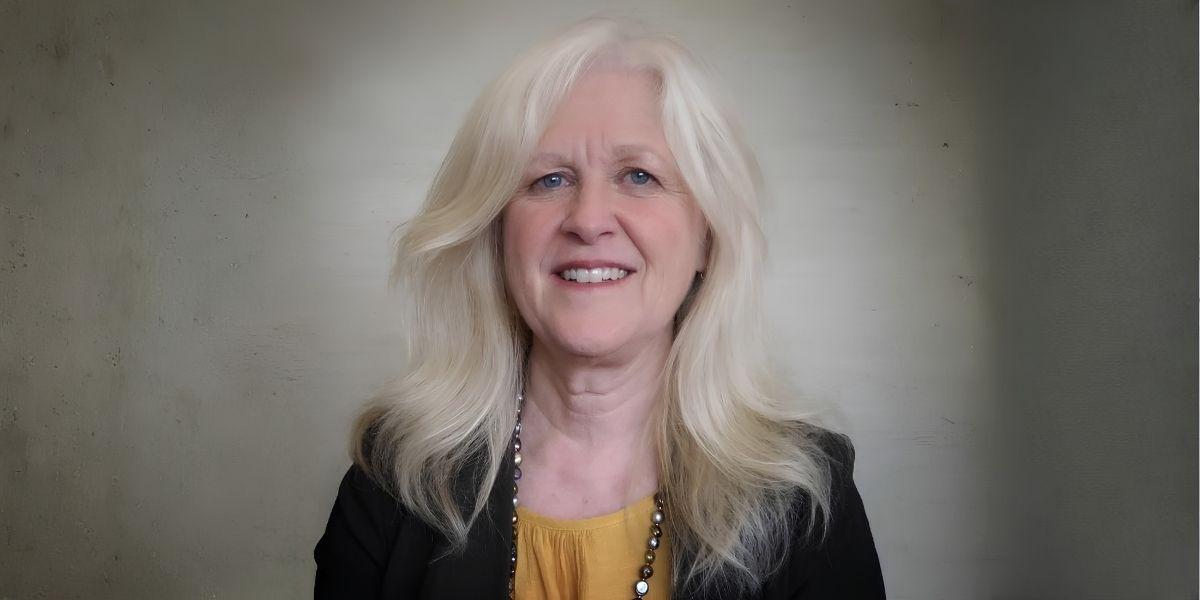
Kimberley Langen saw that gap early in her teaching career, and it changed the direction of her life’s work. Today, as the CEO and founder of Spirit of Math, she has spent more than three decades building a program designed not to remediate, but to challenge students to think at a much higher level than traditional classrooms demand.
Before There Was a Program, There Was a Lot of Time in Classrooms
Langen didn’t come into this with a business plan. Teaching was already part of her life.
She worked with students in piano, ballet, and swimming when she was younger. By grade 8, she was already helping teach math to her own classmates when something wasn’t clicking in the lesson. At the time, it probably felt normal. Looking back, it says quite a bit about how early she started noticing how students respond to different explanations.
Later on, she taught physics, chemistry, and mathematics across a range of grade levels. That gave her a wider view of how students progressed, and where they didn’t.
Her parents shaped that perspective further. Her mother focused on making learning more engaging and practical. Her father, a math teacher, took a different approach after seeing how uneven students’ understanding had become by the time they reached higher grades.
He started rebuilding the curriculum himself. Not all at once, but gradually. He changed how concepts were introduced, how often they were revisited, and how much depth students were expected to reach before moving on. Over time, the difference became noticeable. Students weren’t just finishing work, they could handle unfamiliar problems without shutting down.
That stayed with Langen.
A Basement, 35 Students, and a Very Different Idea
Spirit of Math began with 35 students in the basement of Langen’s home. It was a small group, but even at that stage, the intent was clear.
She wasn’t trying to build a tutoring center. The focus was on creating a structured program with its own curriculum, along with clear expectations around how students would progress through it.
That foundation is still in place today. Students attend weekly classes, complete homework, and write tests as they move forward. Progress depends on whether they understand the material, not just whether they’ve been exposed to it.
The program also moves beyond what students are typically doing in school. Instead of revisiting the same content, they’re introduced to new ideas and asked to work through them in more depth. For many, that shift takes some adjustment, but it also changes how they approach the subject over time.
The Real Goal Isn’t Better Grades. It’s Better Thinking.
The structure of the program is built around four main elements: drills, core lessons, problem solving, and group work. Each one plays a role, but they don’t function in isolation.
Drills help students become more fluent, so basic skills don’t slow them down later. Core lessons introduce concepts in a way that gives students time to understand how they work, not just how to apply them. Problem solving then asks them to use that understanding in situations where the path forward isn’t immediately obvious.
Group work brings a different kind of pressure. Students are expected to explain how they approached a problem, which often reveals whether they truly understand it. It also opens the door for questions and discussion, which can shift how others in the room are thinking.
In many classrooms, the focus is on getting the right answer. Here, more attention is placed on the process behind it, how a student approached the problem, what they noticed, and how they would handle something similar next time.
What Happens When You Stop Holding Top Students Back
Her perspective is shaped by what she has seen across the broader education system.
Over time, she noticed that more and more focus was being placed on helping students reach baseline standards. While that support is important, it often leaves highly motivated students without the challenge they need. In some cases, those students disengage or stop progressing because the system is not designed to push them further.
Langen took a different view. Her belief is that when you elevate motivated students to a much higher level, it raises the standard for everyone.
Those students influence their peers, shift expectations within classrooms, and demonstrate what is possible when students are pushed to think more deeply. Instead of focusing only on bringing students up from below, her approach focuses on pulling standards upward from the top.
Scaling Without Losing What Made It Work
This philosophy has guided the growth of the company. What started in a basement has grown into more than 30 campuses across Canada, along with a virtual program that reaches students internationally. The program has also extended into global competitions, bringing together students from dozens of countries and creating a broader community of young problem solvers.
Despite that growth, the core approach has remained the same. The curriculum continues to be refined through real classroom experience, tested with students, and adjusted over time. That consistency is part of what allowed the program to scale without losing what made it effective in the first place.
Building Students Who Can Think for Themselves
Langen’s leadership reflects that same mindset. She focuses on structure, consistency, and high standards, while also encouraging collaboration and continuous improvement. The goal is not just to build strong students, but to develop individuals who can think independently, communicate clearly, and approach complex problems with confidence.
More than 30 years after its founding, Spirit of Math continues to operate with a clear purpose: to promote cooperation, inspire confidence, and release the genius in every child.
You can follow more of their work and student outcomes on Instagram, where the program shares insights into its approach and community.