
By: Natalie Johnson
Many apartment owners and property management leaders feel the pressure to modernize. Technology arrives with a compelling proposition. It offers faster response times, leaner teams, and more efficient service delivery. However, in real estate, particularly across affordable housing and large multifamily operations, efficiency can become a vanity metric when it comes at the expense of resident satisfaction.
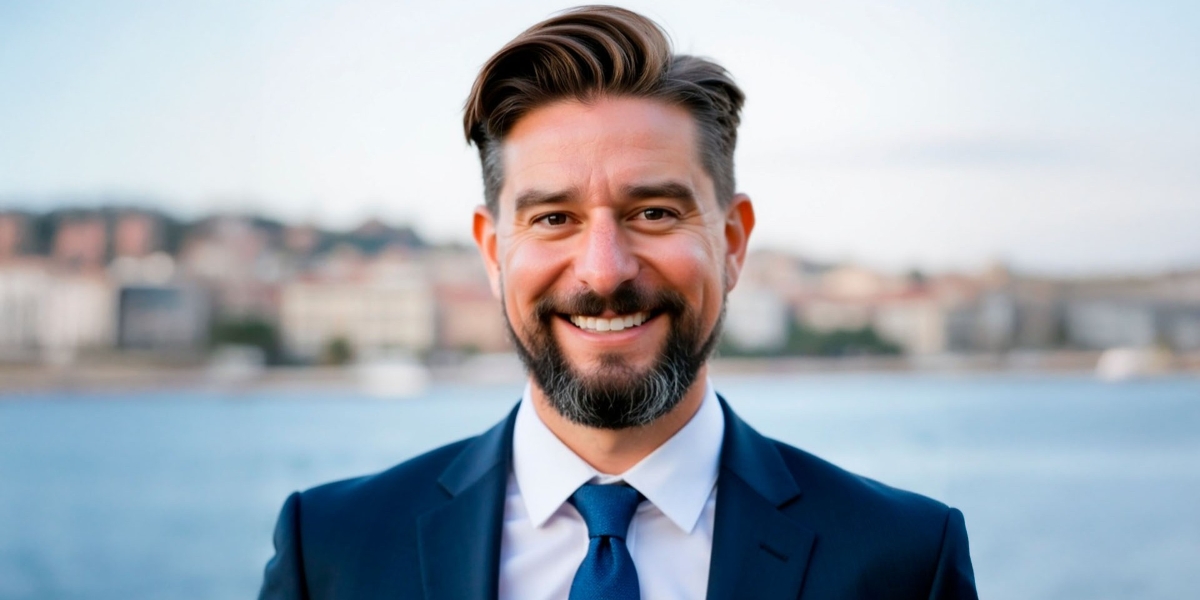
Kevin A. Weishaar, founder of Weishaar Strategic Partners, has spent more than two decades leading portfolio transformation across affordable and market-rate housing. Having built shared services models, overseen property technology (proptech) integration initiatives, and helped organizations transition property management in-house, he has seen a recurring pattern: technology fails when leaders mistake automation for operational alignment. “When a work order gets closed out in the system, but the resident’s sink still leaks, that’s the problem,” Weishaar says. “Teams start optimizing for the click that ends the ticket instead of actually solving the issue.”
That disconnect has become increasingly common as multifamily operations adopt centralized platforms and scalable systems designed to support growth. For Weishaar, the challenge is how chief operating officers (COOs) align technology with service without eroding the resident experience.
Efficiency Metrics Can Hide Service Failures
One of the biggest warning signs that proptech integration is working against service delivery is what Weishaar calls “closure without confirmation.” A ticket may appear resolved in the system, but the resident may still be dealing with the same issue. He sees similar breakdowns when operators introduce too many communication channels at once. Portals, text messages, emails, phone calls, and walk-in requests may seem like customer-friendly options, but they often create fragmented communication. “Those are all just different ways to drop the ball,” he says.
This becomes especially dangerous when automation is layered onto already broken workflows. If intake, triage, or maintenance coordination processes are weak, adding new tools only accelerates dysfunction. It is one of the clearest examples of when proptech undermines customer satisfaction.
Growth Exposes Weak Operational Handoffs
As portfolios expand, service breakdowns tend to surface in predictable places. “It’s always in the handoffs,” Weishaar says. Smaller organizations often rely on informal communication because teams know each other well enough to solve issues quickly. As portfolios scale across multiple properties, markets, or states, those informal systems collapse.
Without structured handoffs between leasing, maintenance, resident services, and leadership teams, communication gaps widen. Small mistakes become portfolio-wide service issues. This is why building scalable systems in multifamily real estate requires more than implementing software. It demands clearly defined ownership, stronger workflows, and shared services models that create consistency across properties. For operators managing affordable housing portfolios, where compliance requirements add another layer of complexity, operational strategy becomes even more critical.
Automation Should Support Human Connection
“What are the pieces of the puzzle that have to remain human?” Weishaar says, emphasizing that the strongest operators understand that not every resident interaction needs to be automated. Residents may appreciate self-service tools for rent payments or maintenance requests, but frustration can escalate when complex problems are routed through rigid systems with no human intervention.
Weishaar points to outdated customer service phone trees as a cautionary example. “I had to change flights for six people recently, and there was no way a phone tree could solve that,” he says. “At some point, you need a human being.” Balancing automation and resident experience means identifying where technology creates convenience and where personal interaction remains essential.
Leadership Determines Whether Technology Succeeds
Weishaar believes failed technology rollouts are often leadership failures disguised as software problems. “It’s probably more leadership than technology,” he says. Leaders must understand what problem they are solving before investing in new platforms. They also need stronger feedback loops. “There’s nothing that beats being there,” he says. “Having conversations with customers and seeing what’s going wrong firsthand tells you far more than survey data ever will.”
That philosophy has shaped both his executive coaching work and his operational strategy framework. Whether advising leaders through growth or helping firms redesign service models, he emphasizes visibility, accountability, and systems that support people rather than replace them. As multifamily real estate continues embracing automation, the companies that win will be the ones that remember why technology exists in the first place: to improve service, not distance organizations from the residents they serve.
Follow Kevin A. Weishaar on LinkedIn or visit his website for more insights. Readers can also find more information on his company’s LinkedIn page.