
By: Ethan Rogers
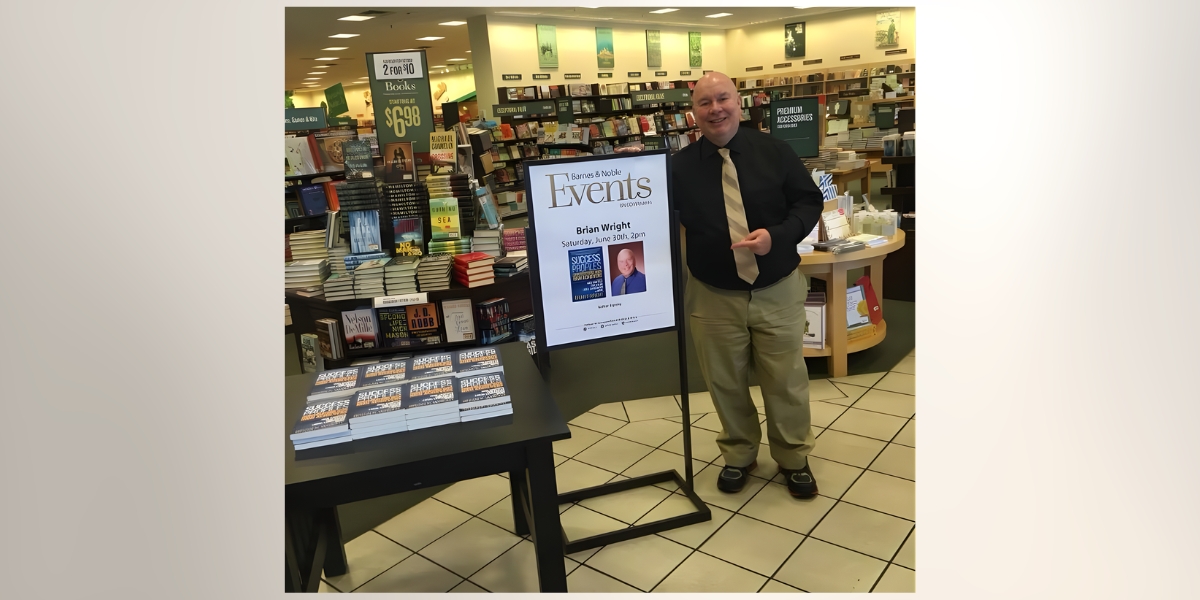
With podcasts multiplying by the thousands and social media feeds refreshing endlessly, you might wonder if writing a book still matters. The answer, according to Brian K Wright, author of 10 books, ghostwriter, and host of Success Profiles Radio, is a resounding yes. In fact, 2026 might be the best year yet to put your ideas between covers.
The digital noise has created an unexpected opportunity for those willing to do the deep work of authorship. While everyone else is chasing algorithms and fleeting attention, a book represents something permanent, substantial, and credible. It’s the difference between shouting in a crowded room and having a quiet, meaningful conversation with someone who genuinely wants to hear what you have to say.
Your Book as the Beginning, Not the End
“Writing a book is the beginning of what you create, not the end,” says Brian K Wright, whose work has been featured in Entrepreneur, Authority Magazine, and The Good Man Project. This perspective fundamentally reframes what authorship means. Rather than viewing a book as a final achievement to check off a list, successful authors see it as the foundation for everything that follows.
For business professionals, consultants, and experts in any field, a book establishes what Wright calls “pre-influence.” When a potential client, event planner, or corporation considers working with you, your book serves as tangible evidence of your journey and expertise. It provides substantial value in your area of specialization, creating the trust necessary for deeper, more specific engagements. In 2026, with increasing competition for attention, this pre-influence becomes your most valuable asset.
Overcoming the Three Barriers to Authorship
Through his work helping aspiring authors, Wright has identified three common barriers that prevent people from writing their books. The first is not knowing what to write about. Many potential authors discount their experiences, believing they have nothing special to offer. “That thing you learned how to do, and that experience you lived through, is not common to everyone,” Wright emphasizes. “Your story can inspire others.”
The second barrier is time, or rather, the perception of not having enough of it. Wright offers a practical solution: “I help them save time by pointing out that they have likely created content already that could be the start of a book. Repurpose what you are already doing and get going.” Whether it’s podcast transcripts, blog posts, or presentation materials, most experts have already produced the raw material for their book.
The third barrier is the fear that no one will read the book. Wright addresses this with both realism and encouragement: “The right audience will resonate with your message. Your job is to find that audience.” In 2026, with sophisticated targeting tools and niche communities thriving online, finding your audience has never been more achievable.
Aligning Your Book With Your Personal Brand
Having authored 10 books himself and ghostwritten for others, Wright has developed a clear philosophy about the relationship between book authorship and personal branding. “They should synergize, for sure,” he says. “If you have a clearly defined brand, your book should reflect it. It’s easier for people to find you and your content.”
Wright practices what he preaches. His radio show is Success Profiles Radio, and two of his books are Success Profiles: Conversations With High Achievers, Volumes 1 and 2. The alignment is intentional and effective. In 2026, as personal branding becomes increasingly important across all industries, this alignment between book content and overall brand messaging creates a powerful, cohesive presence that stands out in crowded markets.
The Timeless Argument for Starting Now
Perhaps the most compelling argument Wright makes is also the simplest: “Time will continue to pass whether you do it or not.” This isn’t about finding the perfect moment or waiting for inspiration to strike. It’s about recognizing that the benefits of authorship, increased credibility, expanded influence, and professional opportunities, accumulate over time.
The authors who start in 2026 will be reaping rewards in 2027, 2028, and beyond. Each month that passes without starting is a month of potential influence lost. In an era where digital content disappears as quickly as it appears, a book remains, continuing to work for you long after publication.
The Time to Start Is Now
Writing a book in 2026 isn’t about chasing a trend or adding another line to your resume. It’s about making a strategic investment in your professional future. As Brian K Wright demonstrates through his own journey, from radio host to magazine publisher to author, the written word still carries weight. It opens doors to opportunities you can’t yet imagine, from red carpet interviews at movie premieres to conversations with people previously out of reach.
The tools for authorship have never been more accessible, the pathways to audience never more numerous, and the need for substantial, credible content never more pronounced. Your book isn’t just a project to complete; it’s the beginning of a new chapter in how the world perceives your expertise. As Wright would say, the only question left is when you’ll start writing.