
McDonald’s CEO Chris Kempczinski became the focus of a viral social media moment, after posting a video of himself taste‑testing the new Big Arch burger. The CEO’s casual engagement with the product, a move typically seen in marketing campaigns, rapidly spread across TikTok, Instagram, and X, drawing millions of views. The video, showing Kempczinski taking a small bite of the burger, quickly ignited widespread online reactions, ranging from humor to critical commentary. The CEO’s casual, unscripted manner was juxtaposed with the corporate tone of his comments, which led to both support and mockery from viewers.
This unexpected moment, amplified by millions of reshares, is a clear example of the power of executive visibility. The video, despite its criticisms, illustrates how leaders can influence public perception and engagement, positioning themselves at the heart of brand identity.
The CEO’s Viral Moment and Its Immediate Impact
The clip quickly gained traction due to its relatability and the irony in a high-level executive tasting a fast‑food item. Though the intention was to highlight a new product—McDonald’s Big Arch burger—the CEO’s hesitant first bite and corporate language resulted in mockery. Yet, this viral spread served as an unofficial endorsement for McDonald’s products, highlighting the fine line between genuine engagement and branding missteps. While some social media users poked fun at the video, others appreciated the humanizing moment, showing that even the highest corporate figures can engage with the everyday items they sell.
Though McDonald’s had not officially crafted this viral moment as part of its marketing strategy, the result was a significant surge in brand visibility. The event demonstrated how executives are no longer mere figures in the background but become integral parts of the larger narrative driving consumer interest and engagement. This incident proved that executive moments, whether perceived as authentic or staged, can become influential cultural touchpoints.
Executive Visibility and Brand Engagement
This viral clip highlights how McDonald’s can benefit from the increasing importance of executive visibility in today’s business environment. Corporate leaders are often seen as distant figures, more focused on strategy and management than on public engagement. However, as Kempczinski’s viral moment shows, there is value in leadership stepping into the public eye, especially when it involves authentic, relatable moments. Despite criticisms about the CEO’s apparent reluctance to fully enjoy the burger, the widespread media attention this event generated reflects the growing demand for transparency and authenticity from business leaders.
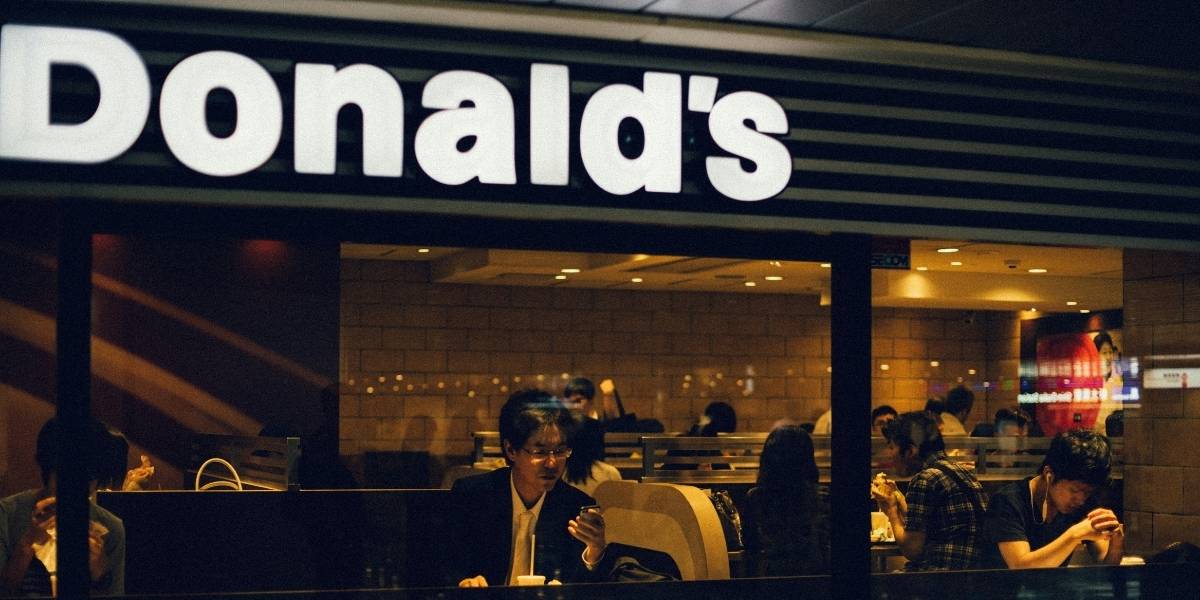
Today’s consumers seek brands with relatable leadership that demonstrates a connection to the products and services they promote. In this case, Kempczinski’s appearance at a McDonald’s outlet, casually engaging with a core product, helped reinforce the idea that the company remains connected to its roots while also advancing its brand image.
Social Media Amplifies Corporate Moments
Short‑form video platforms such as TikTok, Instagram, and X have been instrumental in spreading viral content like the McDonald’s CEO’s video. The video’s spread was fast, reaching millions within the first 48 hours. The power of these platforms in accelerating content reach cannot be overstated. Executives who embrace social media have an opportunity to create instant, high‑impact touchpoints for their brands. Kempczinski’s viral moment is an example of how executives can become key players in digital branding, creating a ripple effect that goes far beyond traditional corporate communications.
While the clip led to both mockery and applause, the volume of online engagement helped fuel conversations around the brand. McDonald’s official social media channels later acknowledged the viral nature of the video, further intensifying its reach. The response showcased how executive actions, even if initially unintended, can significantly influence the public discourse surrounding a company.
The Role of Authenticity in Brand Leadership
At its core, the viral moment underscores a larger trend within branding: authenticity in leadership. Consumers today are increasingly drawn to brands that are transparent, personable, and, importantly, led by individuals who are relatable. As corporate leadership continues to play a more visible role, moments like Kempczinski’s burger clip will likely become a key element of a broader narrative of engagement and brand alignment.
Executives who adopt a more personable, approachable tone in their public interactions can enhance their brand’s image by fostering a sense of connection. When the McDonald’s CEO casually sampled the Big Arch burger, it broke down the invisible barriers between top executives and consumers. The audience’s reaction—whether positive or negative—reinforced the idea that consumers want leaders who engage openly with their brand’s core offerings.
Executive Visibility and Its Broader Implications for Branding
McDonald’s CEO’s viral burger moment shows that even small, spontaneous actions can have a significant impact on public perception. In today’s rapidly changing media landscape, executives who step into the spotlight can use these moments to reshape how consumers view their brands. While the immediate response to the viral video was mixed, the long‑term effect could be substantial, solidifying the importance of executive visibility in modern branding.
This event reveals a shift in corporate communication, where executives are not just the decision-makers behind the scenes but also an integral part of the brand’s public identity. When visibility aligns with authenticity, as shown in the McDonald’s CEO’s interaction with a simple cheeseburger, it can spark valuable conversations, create a deeper consumer connection, and redefine how leadership is perceived in the digital age.