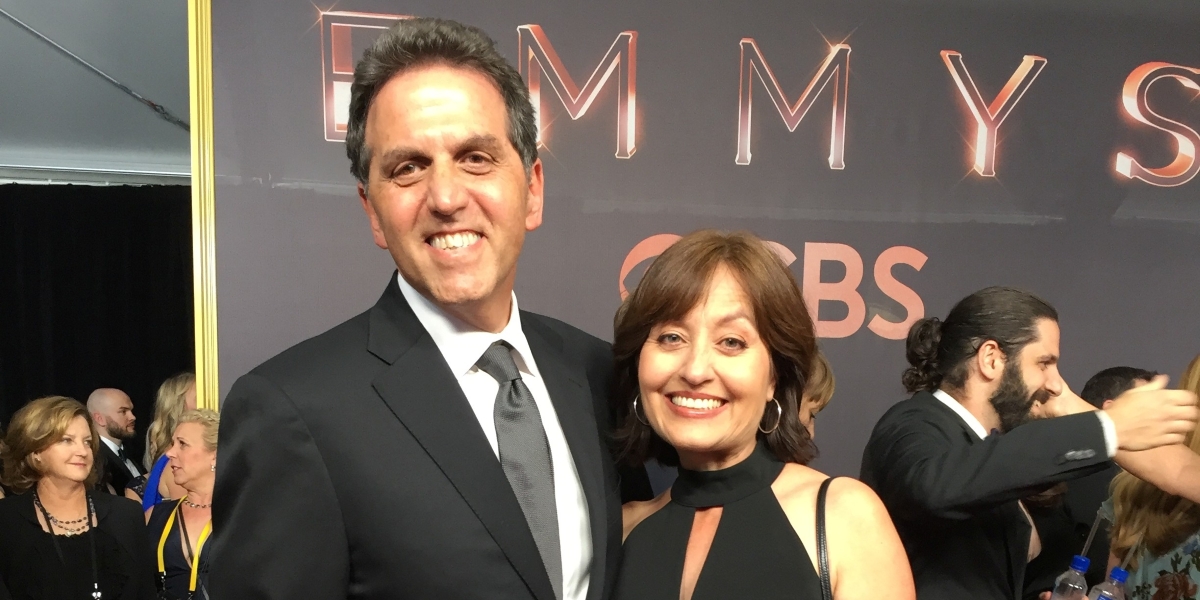

By: Natalie Johnson
Artificial intelligence (AI) is rapidly reshaping the life sciences sector, promising faster drug discovery, more efficient clinical trials, and entirely new approaches to patient care. Advanced analytics and machine learning models are now being applied across the drug development lifecycle, from identifying biological targets and designing molecules to optimizing trial design and analyzing complex patient data. As these capabilities mature, they are beginning to influence both scientific discovery and how life sciences organizations operate, make decisions, and compete.
Peter S. Kaplan, Founder and President of Synergy Search Partners LLC, believes the greatest challenge amid all this promise is hiring leaders capable of translating AI’s potential into enterprise-wide impact. “Companies often don’t know what they don’t know about AI and its implications and value,” Kaplan says. “They know they need it, but they haven’t defined the business outcomes they want the technology to achieve.” For early-stage companies and established life sciences organizations alike, the stakes are high. Recruiting the right leadership for AI and digital platforms requires a fundamentally different approach from traditional executive hiring.
The Strategic Gap in AI Hiring
Many life sciences organizations approach AI recruitment as if they were filling another functional leadership role. “AI leaders are often hired as functional experts and siloed within the organization,” he says. “They are not given full corporate responsibility to transform the company from top to bottom.” The structure of the role itself often compounds the issue. Digital leaders may report into information technology or research systems teams, leaving them without authority over the wider business. Without influence across clinical development, manufacturing, regulatory strategy, and commercial operations, even the most capable hire will struggle to drive meaningful transformation.
There is also a critical governance dimension. “Companies underestimate the governance and risk expertise required,” Kaplan says. “AI leaders must understand the regulatory landscape and the patient risk associated with drug development and manufacturing.”
Rethinking How Boards Evaluate AI Leadership
Boards searching for AI leaders often rely on evaluation frameworks designed for traditional life sciences executives, which are poorly suited to a technology that spans every function of the organization. “Traditional R&D and commercial executives operate in relatively stable business models,” says Kaplan. “With AI, you’re plowing deep snow in territory that hasn’t been mapped yet.”
Instead of prioritizing functional pedigree alone, boards should focus on leaders capable of building systems that connect multiple parts of the enterprise. “Boards should look for systems builders rather than functional stars,” Kaplan says. “These individuals must influence clinical, regulatory, and quality functions simultaneously, while navigating a heavily regulated environment.” Equally important is a sophisticated understanding of risk. Privacy concerns, algorithmic bias, validation processes, and ethical oversight all become central considerations when AI tools influence decisions that ultimately affect patient outcomes.
Identifying Leaders Who Deliver Real Transformation
The surge in interest around AI has created a crowded talent market filled with candidates claiming digital transformation expertise. Distinguishing between genuine transformation leaders and technology enthusiasts requires careful scrutiny. Kaplan suggests focusing on evidence of measurable impact. “Candidates should demonstrate how their work improved cost structures, revenue, or cycle time,” he says. “It’s not enough to have worked with impressive technology.”
Strong candidates will also be able to describe how they built digital products adopted across multiple business units. That includes designing new data architecture, governance frameworks, and adoption strategies to embed AI into daily operations. Another important signal is humility about the technology itself. “The right leaders are realistic about the limits and risks of AI,” Kaplan notes. “They openly discuss issues like bias, governance, and the challenges of implementing AI across an enterprise.”
In a field that’s still evolving, boards may also need to prioritize potential as much as experience. Leaders who have demonstrated success on a smaller scale, but possess the right cultural alignment and strategic mindset may prove more effective than candidates with impressive titles but limited operational impact.
Why Integration Determines Success
Hiring an AI executive is only the beginning. The greater risk often lies in how the organization integrates that leader and empowers them to act. “The biggest integration risk is mis-hiring someone who cannot change the way the organization works,” Kaplan says. But even strong candidates can falter if the leadership team hasn’t defined clear objectives for AI adoption. “The board and executive team must agree on the top three to five enterprise outcomes they expect from AI,” he says. “Without that clarity, it becomes very difficult for a new leader to succeed.”
Ultimately, the CEO’s mindset may determine whether AI initiatives gain traction. Leaders comfortable with experimentation and rapid iteration tend to adapt more easily than those steeped in traditional pharmaceutical operating models. “AI is not perfect,” Kaplan says. “But it can dramatically accelerate decision-making by gathering and synthesizing information faster than any human team could.” Organizations willing to embrace that imperfect but powerful capability are far more likely to unlock its potential.
Follow Peter S. Kaplan on LinkedIn or visit his website for more insights.