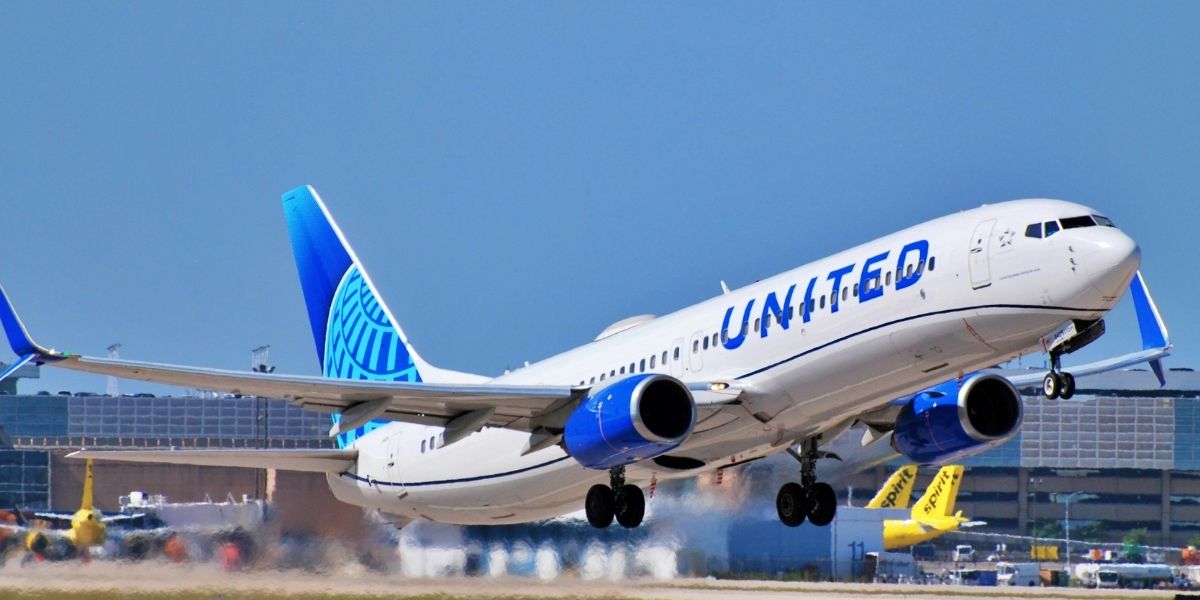

United Airlines CEO Scott Kirby has raised concerns about higher airfares in the coming months as jet fuel prices continue to surge. During a recent event at Harvard, Kirby pointed out that rising fuel prices, which have become the largest variable cost for airlines, could force airlines to raise ticket prices to maintain their margins. These increases come as geopolitical tensions and supply disruptions have driven up the cost of jet fuel globally.
Kirby’s warning signals potential fare hikes for travelers, especially if these price increases continue into the second quarter of 2026. U.S. airlines, unlike their European and Asian counterparts, typically do not hedge their fuel costs, leaving them vulnerable to sudden price increases on the spot market.
Fuel Costs Surge Amid Geopolitical Instability
Jet fuel prices have soared dramatically in recent weeks, fueled by geopolitical uncertainties, particularly in the Middle East. Rising oil prices and disruptions to global supply chains have pushed fuel costs to levels that are now testing the financial stability of U.S. airlines.
United Airlines, along with other carriers, faces pressure as its largest operational cost — fuel — continues to escalate. While some global airlines employ hedging strategies to mitigate fuel price volatility, U.S. airlines remain exposed to the fluctuations of the real-time market. This makes their operating costs susceptible to the unpredictable nature of global events, like the ongoing geopolitical tensions.
The consequences of these price surges are not just theoretical. Airline executives are now reassessing their pricing strategies and capacity planning to address this new financial pressure. If fuel costs remain high, fare increases seem almost inevitable.
U.S. Airlines Exposed to Price Volatility
The lack of fuel hedging among U.S. carriers is a growing concern in the airline industry. While many European and Asian airlines hedge their fuel costs to some degree, U.S. carriers have largely abandoned such strategies in recent years. This leaves American airlines vulnerable to sharp spikes in fuel prices, which can lead to significant increases in operational expenses.
The volatility in fuel prices not only affects the cost structure of airlines but also influences their ability to remain competitive. If these price increases persist, U.S. airlines may face tough decisions regarding fare adjustments, route optimization, and fleet management to offset the rising fuel costs. As airlines like United confront these financial pressures, they must strike a delicate balance between maintaining profitability and keeping airfares affordable for consumers.
Airline Stocks Drop as Oil Prices Rise
The sharp rise in fuel prices has had a direct impact on airline stocks, including United’s. Investors are concerned about the implications of rising fuel costs and the potential for fare increases to drive away price-sensitive travelers. As a result, airline stocks have seen a noticeable decline in recent weeks, reflecting the growing uncertainty in the market.
This downturn in airline stocks mirrors the broader turbulence in the travel industry, where the combination of rising costs, operational disruptions, and geopolitical conflict has added complexity to airlines’ financial planning. Airlines, including United, are now closely monitoring the situation to determine the best course of action to navigate these challenging market conditions.
Navigating Uncertainty: Airlines Reassess Strategy
As the airline industry grapples with rising fuel prices, executives are revisiting their strategies for managing costs and protecting their bottom lines. United Airlines, for example, may absorb some of the short-term fuel price increases, but if the higher costs persist, the airline will likely have to adjust its pricing model.
The challenge for U.S. airlines is to maintain operational efficiency while coping with the rising costs of fuel and the disruptions caused by geopolitical events. Airline executives are exploring various strategies to safeguard their financial performance, including route optimization and fleet adjustments. However, these solutions will require careful consideration and may not be enough to offset all the cost pressures facing the industry.
The Broader Impact: Supply Chain and Global Travel
Scott Kirby’s remarks about rising fuel costs extend beyond the airline industry. The volatility in fuel prices is not just an airline issue; it has far-reaching consequences for other industries as well, including shipping, trucking, and global supply chains. With fuel prices climbing, businesses across sectors are grappling with increased operational expenses.
For companies involved in logistics and transportation, the surge in fuel costs could lead to higher prices for goods and services. Similarly, for travelers, the rising costs of airfares could affect travel budgets and the broader demand for air travel. Airline executives, including Kirby, are advising business leaders to consider these external risks when making strategic decisions about pricing and financial forecasting.
What Can Travelers Expect?
As the airline industry adjusts to these new economic realities, travelers may see gradual fare increases as airlines seek to absorb the higher costs of jet fuel. United Airlines, like its competitors, is working to strike a balance between maintaining profitability and keeping flights affordable for consumers.
For now, airfares may rise more slowly than some expect, as airlines strive to protect their margins while navigating the unpredictable volatility of fuel prices. However, if fuel costs remain elevated, travelers could face more noticeable increases in ticket prices throughout 2026.