
Male reproductive health has historically received limited structural attention within healthcare systems, particularly in regions where subspecialty training developed later than core surgical disciplines. During the late twentieth century, growing recognition of infertility, sexual dysfunction, and male factor contributions to reproductive outcomes began to shift clinical priorities. Global health data indicate that infertility affects roughly 15 percent of couples worldwide, with male factors accounting for about half of cases. These trends placed pressure on health systems to formalize andrology as a defined area of practice rather than an informal extension of urology.
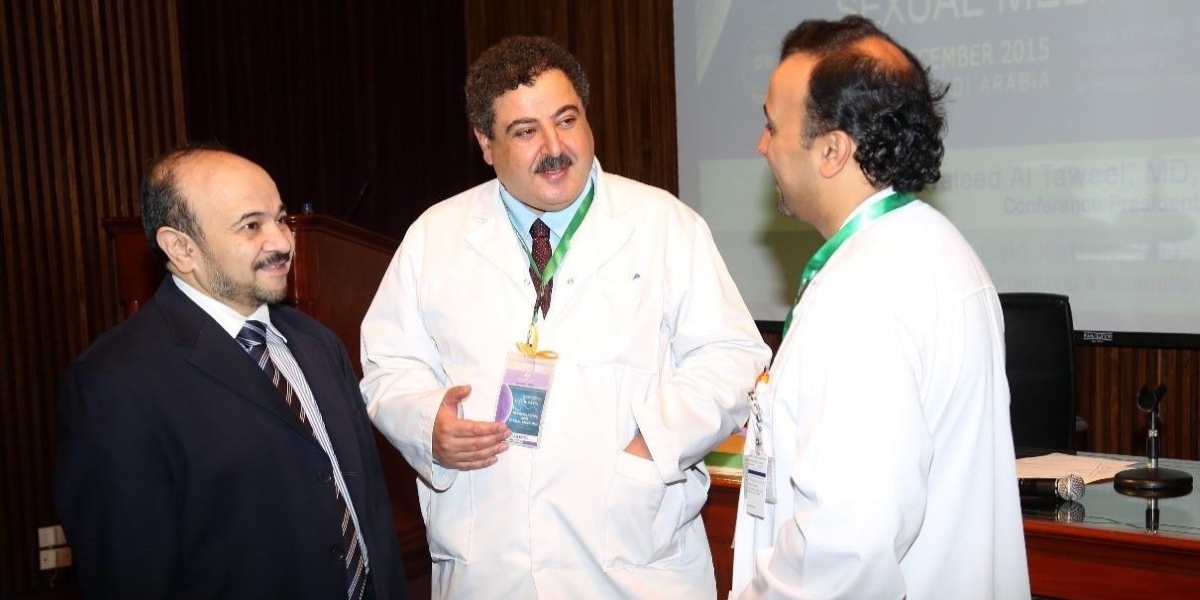
This shift was given impetus in Saudi Arabia by broader efforts to localize specialist training and decrease dependence on overseas fellowships. Subspecialties such as andrology did not have standardized pathways, leading to unequal access to services and a shaky professional identity among practitioners. Building national programs of clinical groups and professional networks became necessary to bridge such gaps. It is within this context that Said Abdul Ghani Kattan has made notable strides, a figure associated with the very structuring of andrology as a recognized field within the Kingdom’s medical system.
One such early milestone came in 1997, when Kattan initiated Saudi Arabia’s first Andrology Fellowship Program at the hospital. Fellowships are a more advanced clinical training beyond residency and are key to building a stable specialist workforce. At the time, many Saudi physicians seeking andrology training went abroad. Creating a local fellowship marked a move toward domestic capacity building and aligned with late-1990s national healthcare workforce strategies.
In 1998, the approach widened to the Saudi Oncology Fellowship Program at King Faisal Specialist Hospital. Although oncology encompasses more than andrology, urological malignancies form a significant component of oncological practice. National cancer registry data indicate that cancers of the prostate and bladder are among the most commonly diagnosed malignancies in Saudi men. The oncology fellowship has further addressed the overlap between urology and cancer care, reinforcing structured postgraduate pathways within the specialty.
Beyond hospital training, Kattan contributed to shaping national professional life by founding the Saudi Andrology Group in 2014. The group would support professional development and help collaborate on education in male reproductive health. Professional groups are instrumental in the formation of new specialties through holding scientific meetings, promoting research exchanges, and promoting recognition within larger medical associations. The timing reflected an increase in locally trained specialists entering practice.
His work in the Saudi Urological Association linked training efforts with national professional standards. From 2017 through 2020, Kattan led the association’s Andrology Group. The Saudi Urological Association provides a forum for continuing medical education and policy debate. Leadership roles in such bodies often shape the presence of subspecialties in conferences and in guideline development, and thus shape practice patterns across institutions.
These, together, constitute part of the whole effort to sit within Saudi Arabia’s evolving healthcare landscape. To some extent, population growth and increased life expectancy have increased the prevalence of chronic conditions affecting reproductive health. Regional studies show infertility rates in line with global averages, therefore underscoring the need for specialized services. Structured training pathways help maintain consistent care standards and reduce regional disparities in access to expertise.
Kattan’s practice also overlapped with research and academic activity that helped to legitimize andrology as a stand-alone field. His publications covered infertility, erectile dysfunction, and surgical outcomes, all common components of fellowship curricula. Research output in academic medicine tends to strengthen training by linking practice to evidence-based methods. This connection between research output and training supported the sustainability of the programs he helped establish.
These developments are indicative of individual attempts to align with institutional needs to generate a nationally recognized specialty framework: interdependent channels of education, practice, and collaboration through clinics, fellowships, professional groups, and leadership. More about the structural changes in Saudi healthcare than about personal glory, such efforts have placed Said Kattan in his appropriate context of the gradual formation of andrology and male reproductive health as organized fields in the KSA.
Disclaimer: The information provided in this article is for informational purposes only and does not constitute medical advice. Always consult a qualified healthcare professional for advice regarding any medical condition or treatment.