
By: Georgette Virgo
Most households view taxes as a fixed cost of modern life, something to endure once a year and then file away with little more than a sigh. The focus often falls on compliance, or getting the return done on time and hoping for a refund, rather than on strategy. Yet for many families, professionals, and business owners, taxes are not just another bill. They are frequently the single most significant lifetime expense, rivaling or exceeding housing and healthcare when measured over decades.
That reality raises a simple but powerful question: if taxes are among the most significant expenses, why are they so rarely treated as a major planning category? RISE Capital, an independent financial advisory firm, focuses on helping clients navigate tax strategies as part of a broader financial planning approach.
RISE Capital encourages clients to view taxes not just as an expense, but as a potential area for strategic planning to help achieve long-term financial goals.
Why Tax Planning Matters More Than Ever
Households today face a more complex tax environment than previous generations. Multiple income sources, from wages, stock-based compensation, side businesses, rental properties, to retirement accounts, create overlapping tax implications that are not always obvious from a standard annual return.
For instance, retirement savers must navigate required minimum distributions, Social Security taxation, and healthcare-related thresholds. Business owners juggle entity choices, deductions, and exit planning. Treating taxes as a once-a-year task leaves many of these intersections unexplored.
The consequences of that oversight can be significant. While a well-diversified investment portfolio can offer strong returns, considering tax implications can improve after-tax outcomes and overall financial efficiency.
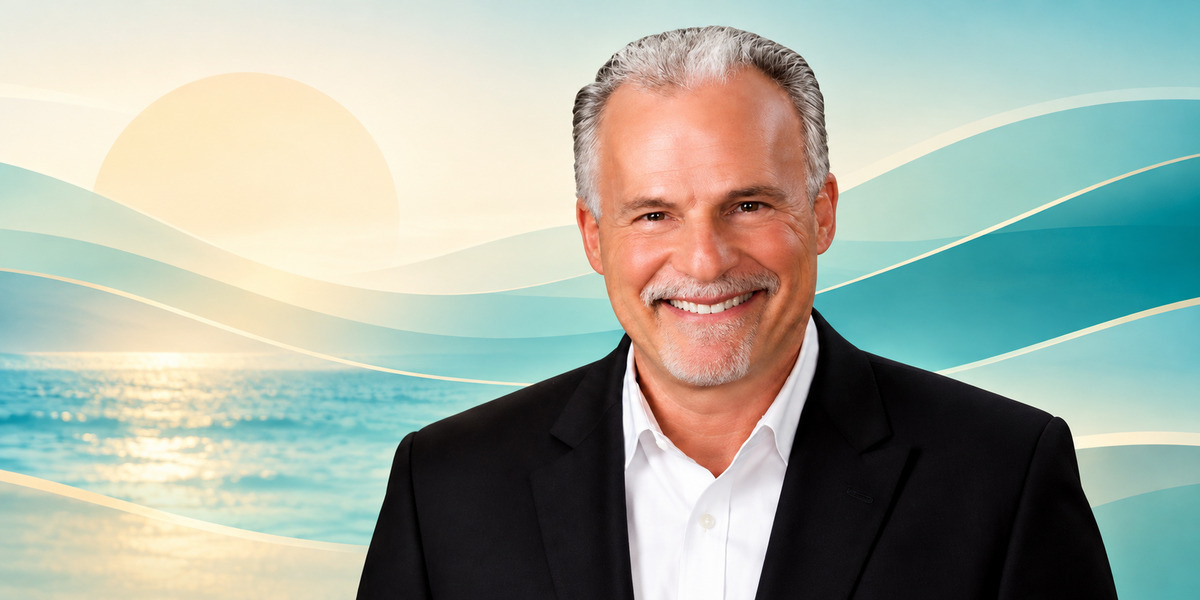
In some cases, poorly timed withdrawals or uncoordinated capital gains can result in higher tax brackets. Thoughtful planning can help avoid such outcomes. “Investment performance is important, but the real question is what clients keep after taxes,” Alex Angst, CKA®, CFP®, founder of RISE Capital, explains.
Rising client expectations have also made tax awareness a core component of comprehensive advice. Many investors now expect their advisor not only to manage assets but to coordinate those decisions with their broader financial picture.
RISE Capital’s view is that real planning cannot be separated from tax planning. Every major financial decision, from saving, investing, spending, giving, or selling, has a tax consequence. The firm’s tax-focused work aims to bring those consequences into view early, when they are still controllable, rather than when it’s too late.
Integrated Planning: CFPs and CPAs Working Together
Tax planning often falls between disciplines. Financial advisors may focus on investment strategy, while certified public accountants (CPAs) concentrate on accurate reporting and minimizing liabilities for the prior year. Without intentional coordination, opportunities can be missed and decisions made in isolation. RISE Capital’s model seeks to close that gap by putting certified financial planner professionals and CPAs at the same table.
The firm encourages clients to allow its advisors to collaborate directly with their tax professionals or, where needed, to work with CPAs aligned to this integrative mindset. That collaboration can influence decisions such as timing income and deductions, structuring retirement contributions, or deciding when to recognize capital gains.
Practical examples illustrate how this coordination operates. Pre-retirees might work with RISE Capital and their CPA to assess whether Roth conversions over several years could reduce future required minimum distributions and lower taxes in retirement. Business owners planning a sale might examine how different timelines, entity structures, or installment arrangements affect their total tax burden.
Families considering charitable giving can explore whether donor-advised funds or appreciated securities allow them to support causes while also improving their tax position. By moving these conversations earlier in the process, the firm helps clients avoid the typical pattern of discovering tax implications only after decisions have been made.
Turning Tax Bills Into Long-Term Opportunities
Tax planning at RISE Capital is less about minimizing taxes at all costs and more about aligning tax payments with long-term objectives. That distinction is essential. Attempts to avoid taxes entirely can lead to inappropriate risk, illiquid investments, or strategies that conflict with a client’s actual needs. A more sustainable approach views taxes as a tool that can be managed intelligently over time.
Several techniques exemplify this philosophy. Alex explains that, for instance, structured charitable giving allows clients to pair generosity with tax efficiency, potentially bunching deductions in high-income years or contributing appreciated assets instead of cash.
Meanwhile, tax-loss harvesting uses market volatility to clients’ advantage by realizing selected losses to offset gains, without abandoning an overall investment strategy. Structured charitable giving allows clients to pair generosity with tax efficiency, potentially bunching deductions in high-income years or contributing appreciated assets instead of cash. Income smoothing, spreading large inflows, such as bonuses or sale proceeds, over multiple years when possible, can prevent bracket spikes that permanently increase lifetime tax costs.
“Taxes are not just a bill; they are part of our strategy,” Alex explains. “The question is not whether clients will pay taxes, but whether those payments are planned and aligned with their broader financial goals.”
By approaching tax decisions through this lens, RISE Capital aims to convert what many perceive as a pure expense into opportunities to fine-tune cash flow, fund future priorities, and support causes that matter to clients.
Adaptable Tax Planning
The firm’s work also extends to planning around legislative and life changes. Shifts in tax law, adjustments to retirement rules, and evolving family circumstances all influence the optimal strategy.
According to Alex, the secret is coordination. Once a strategy is defined, RISE Capital works with clients and their tax professionals to implement the plan. That might involve adjusting withholdings, changing contribution patterns, updating investment allocations, or scheduling specific transactions to align with tax objectives.
Ongoing review and adjustment help ensure that clients remain responsive to new realities while staying anchored to long-term goals. The firm views this as a living process. Strategies are reviewed regularly to reflect changes in income, family composition, market conditions, and tax rules. This continuous process distinguishes deliberate tax planning from periodic, reactive responses to annual filing obligations.
Planning Beyond the April Deadline
When discussing tax planning, Alex often returns to a simple observation: the calendar deadline for filing returns should not be the limit of tax thinking. “For many people, April is the end of the conversation,” he adds. “From our perspective, it should be the starting point for the next year’s planning.”
That shift in mindset, from viewing taxes as a yearly chore to treating them as an ongoing strategic factor, captures the essence of RISE Capital’s approach. Clients benefit from the firm’s tax work not as a stand-alone service but as part of a broader commitment to fiduciary advice. It ensures that every recommendation, whether about saving, investing, giving, or spending, considers both its financial logic and its tax implications.
RISE Capital’s tax planning services reflect a broader philosophy about financial advice. Long-term planning is not solely about selecting investments or projecting retirement dates. It is about cohesively designing all the moving parts of a financial life so they work together rather than at cross purposes.
With this new perspective on tax planning, RISE Capital aims to help clients keep more of what they earn and redeploy those resources toward the futures they envision for themselves and their families.
Please visit RISE Capital’s website to learn more about its tax planning.
OneSeven is a registered investment adviser with the U.S. Securities and Exchange Commission (SEC). Registration with the SEC does not imply a certain level of skill or training. All titles listed for individuals associated with RISE Capital represent the individual’s role with RISE Capital, and not their role with OneSeven. Services are provided under the name RISE Capital, a DBA of OneSeven. Insurance Products offered through AA Insurance Advisors, LLC. CEO Weekly is not affiliated with RISE Capital or OneSeven in any capacity. Compensation was provided in exchange for this feature.
Disclaimer: The information provided in this article is for informational purposes only and should not be construed as financial advice. Tax planning strategies are subject to individual circumstances and tax laws, which may change over time. It is recommended that you consult with a qualified tax professional or financial advisor to discuss your specific situation and receive personalized advice. Results may vary depending on personal financial conditions.