
By: Natalie Johnson
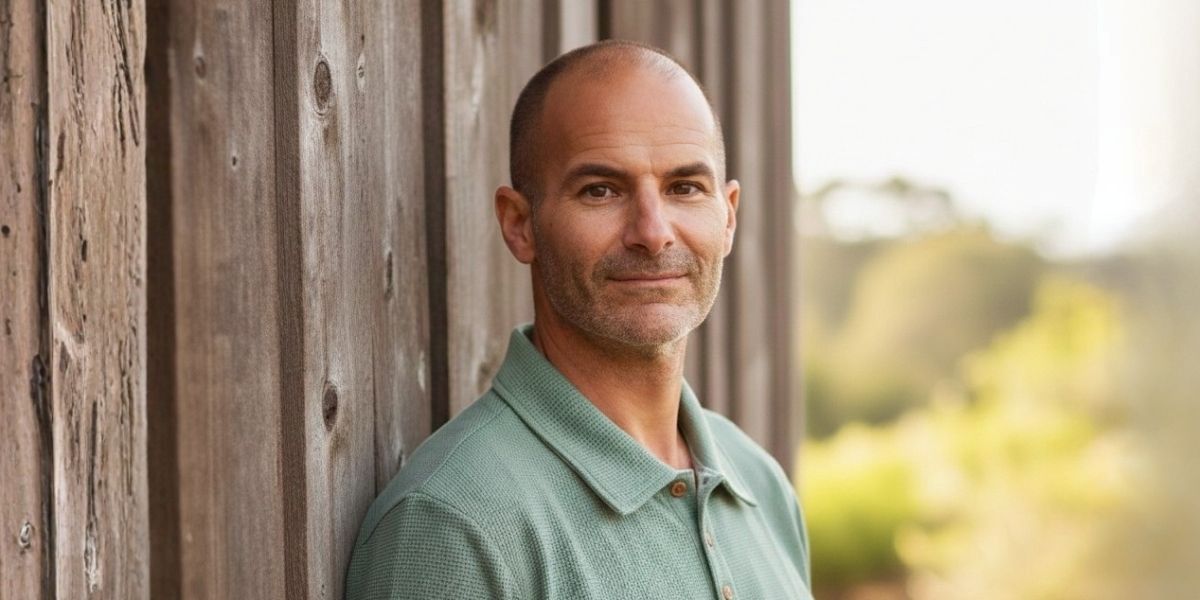
Balance is a myth, or so we are told. But David Socha is not buying it. The father of six, CEO of Beverly Hills Teddy Bear (BHTB), and leader of multiple ventures has built a career proving that integration, not sacrifice, is the key to sustainable success. His example challenges the narrative that outstanding business achievement requires abandoning everything else that matters.
The narrative that you have to give up your family to build a great company is not just wrong. “It is toxic,” Socha states. “The skills that make you a good parent, like patience, long-term thinking, teaching, and empathy, are the same skills that make you a better CEO. Rather than competing priorities, family and business leadership can be mutually reinforcing disciplines.”
His approach challenges Silicon Valley’s hustle culture. While others glorify all-nighters and weekend sprints, Socha has deliberately designed his business to support his life, not consume it. This is not about working less. It is about working with intentionality. Every decision is filtered through the question of whether it serves both his business objectives and his personal values.
It wasn’t always like this. Socha ran a company that was constantly racing around, following the norms of the world. But recently, over the last few years, the focus shifted to what is truly important—including faith and family coming first. “Consistency is huge,” Socha emphasizes. “I show up for my kids consistently. I consistently show up for my team. I consistently show up for our customers. That consistency builds trust, and trust is the foundation of everything worth building.”
“Consistency is huge,” Socha emphasizes, “I show up for my kids consistently. I consistently show up for my team. I consistently show up for our customers. That consistency builds trust, and trust is the foundation of everything worth building”. This principle transforms relationships across every domain. Children learn that they can depend on you. Employees know you will be present. Customers trust you will deliver.
The results speak for themselves. Under Socha’s leadership, BHTB has expanded to 80 countries, earned Vendor of the Year recognition, and built a reputation for making some of the pleasing toys in the world. The company’s success has not come at the expense of his family. It has been achieved alongside them. His children see what committed, ethical leadership looks like in practice. That is a legacy that transcends quarterly earnings.
His secret involves ruthless prioritization and systems thinking. “I do not try to do everything. I focus on what only I can do, and I build systems for everything else. That frees up mental bandwidth for both strategic business decisions and being present with my family. This approach requires discipline. It means saying no to opportunities that do not align with core priorities. It means delegating effectively and trusting your team,” Socha explains.
Socha also challenges the notion that pursuing thought leadership means neglecting operations. He believes that thought leadership is not separate from running the business. It is how you process and share what you are learning while running the business. Writing forces clarity. Speaking forces synthesis. Both make me a better operator. The discipline of articulating ideas for external audiences sharpens internal decision-making.
For founders wrestling with the work-life balance myth, Socha’s example offers permission to reject the false choices it creates. Build the business. Raise the family. Share your insights. The supposed trade-offs are often just failures of imagination or poorly designed systems. The question is not whether you can do it all. The question is whether you are willing to design your life and business to support what matters most.
What makes David Socha remarkable is not that he has achieved success in multiple domains. It is that he has done so while maintaining his integrity and presence in each. He has not compartmentalized his life into competing boxes. He has integrated his values across every dimension. The result is not a perfect balance, which is impossible, but sustainable integration, which is achievable.
His approach offers a roadmap for the next generation of entrepreneurs who refuse to accept that building something great requires destroying everything else that matters. It is possible to be an exceptional CEO, a present parent, and a thought leader. It just requires being intentional about what you build and how you build it. Socha proves that the best business strategy might just be designing a life worth living.