
By: Bernard Ramirez
Stuttgart’s Deon Retief made a decision during the pandemic that defied every convention his industry held sacred. While competitors doubled down on professional rider endorsements, trade show exhibitions, and advertising, Silverback Technologie GmbH walked away from the entire playbook.
The company redirected every previously spent marketing resource into product development and customer value. What followed was notable revenue growth and expansion across 49 countries, proof that the old rules were indeed deserving of being broken.
Silverback is more driven by an authentic approach as a measure of brand quality, where words, actions, and values are all aligned, such an approach was contrarian in the bike industry.
Direct Feedback Replaces Paid Endorsements
Silverback’s founder questioned whether large investment sponsorship deals served consumers or simply inflated prices. The answer led him to eliminate professional athlete contracts, paid advertising campaigns, and expensive exhibition booths. Those savings were invested directly in engineering improvements, sustainable manufacturing processes, and price reductions.
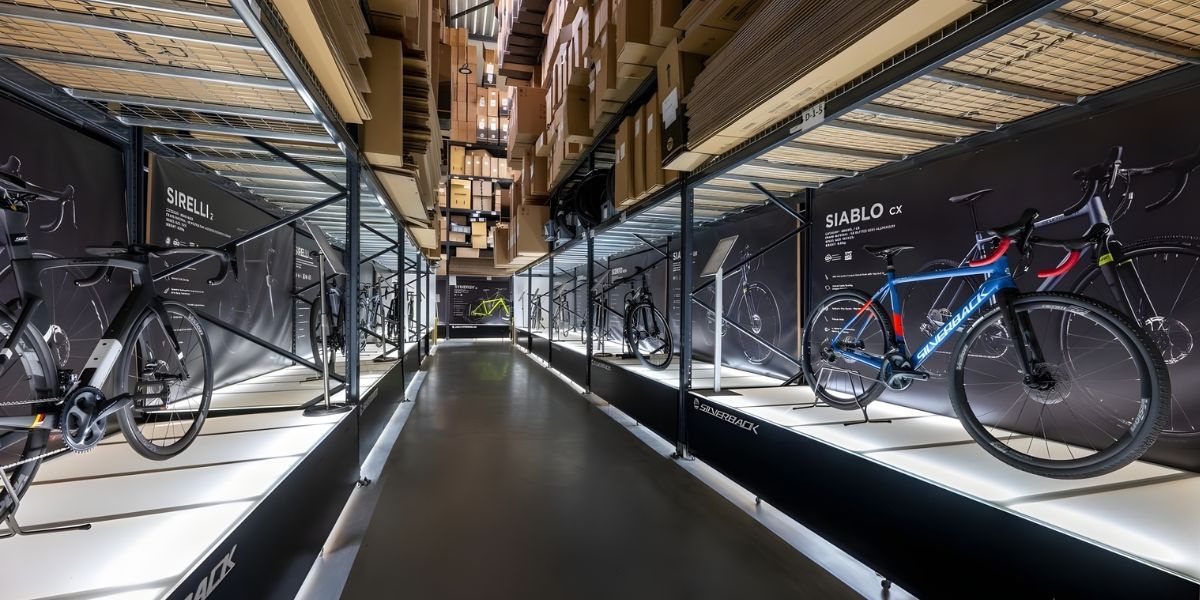
Silverback opened a flagship retail center at its Stuttgart headquarters, creating direct customer contact that sponsored athletes could never provide. Engineers and Silverback’s sales team listen to actual buyers (weekend riders, commuters, parents selecting children’s bikes) rather than professional racers whose needs bear little resemblance to those of typical users.
The My DreamBike® customization program emerged from these conversations. Customers choose colors, components, and specifications online or in-store, and receive personalized bicycles at no additional cost.
Furthermore, Silverback’s global Strategic partners across Europe, the Middle East, Australia, New Zealand, and Africa amplified this customer-first methodology.
Sales data validated the contrarian strategy. Revenue climbed while marketing expenditure dropped to near zero. Competitors spent fortunes convincing consumers to pay more. Silverback worked relentlessly to charge less while delivering superior quality.
Engineering Wins That Matter
The company adopted a green approach to design, utilizing more sustainable processes in its operations and product applications, such as using water-based paints and laser decal technology, and removing harmful adhesives from production while reducing costs. Customers receive bicycles with enhanced finishes, meticulous attention to detail, and more forward-thinking features at lower prices.
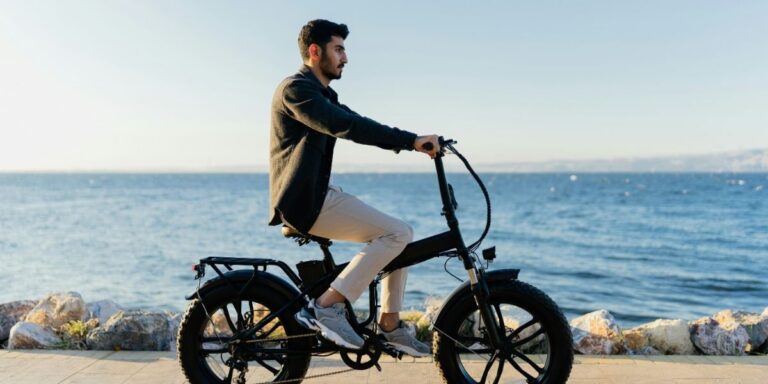
The company secured awards for design and innovation, including global brand recognition for groundbreaking designs such as asymmetric frame design and frame flexstay technology, and achieved success through reinvested marketing budgets. The Signo-Tecnica model introduced mixed wheel sizes years before competitors recognized the advantage. The Starke electric bicycle introduced USB-C charging, a feature that has since become more widely adopted in the industry, contributing to its recognition among notable bicycles.
In the past, the company attempted to emulate other brands’ approaches in racing. In fact, Silverback achieved a UCI World Cup victory, but felt more validation from the people’s first approach, rather than a pro-rider approach. German Brand Award recognition followed, validating the aesthetic and functional superiority of bikes designed for real riders rather than podium photographs.
Each advancement originated from resources previously wasted on marketing spectacle. Retief’s team invested in solving actual problems: comfort, durability, and accessibility. They funded real solutions rather than photo shoots with professional athletes that few customers would ever meet.
The Quiet Disruption
Twenty-one years after its founding, Silverback operates with different economics than its rivals. Competitors require massive marketing budgets to justify premium pricing. Silverback’s model allows competitive pricing because those expenses simply don’t exist.
The company is preparing to release a patented “Science of Comfort” frame design, developed through the same philosophy: listen to riders, engineer solutions, and skip the advertising theatrics.
Retief built a family-owned business that feeds and provides shelter for thousands of people in need, wins design awards, and expands globally while spending virtually nothing on traditional marketing.
“We focus on People & Purpose, rather than Profit,” Retief explains, articulating a philosophy that sounds naive until you examine the financial results.