
By: Jonathan Reed
Leadership often comes with accolades, influence, and the appearance of strength. But behind many polished platforms lies exhaustion, hidden fractures, and the quiet unraveling of the very individuals others depend on. The Abel Project was born out of this tension—the gap between the image leaders project and the hidden weight they carry.
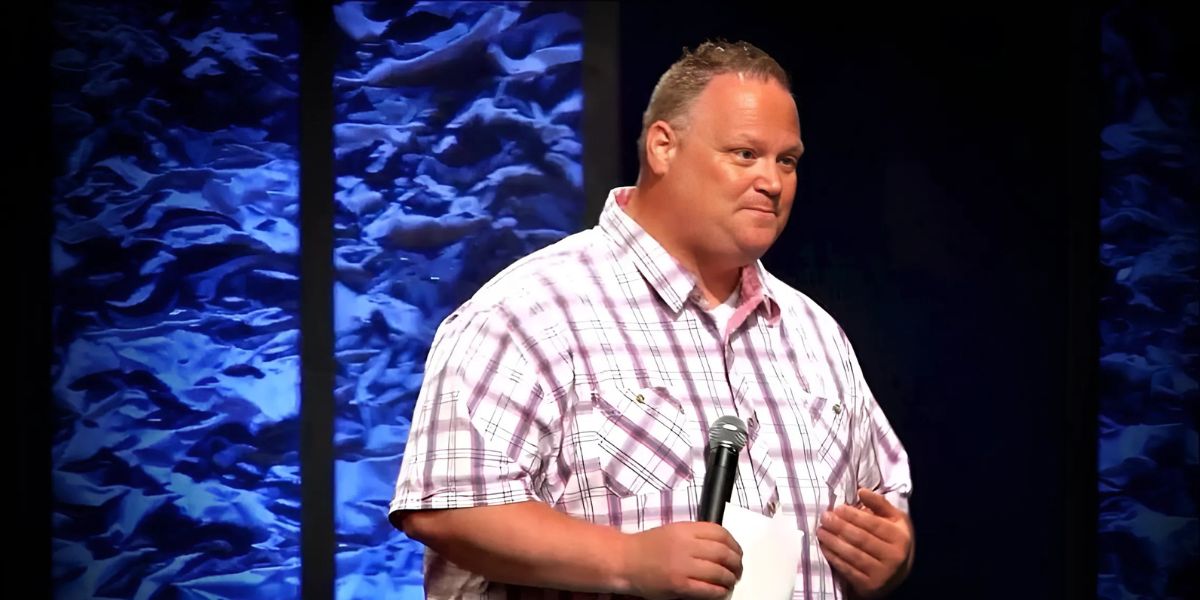
Its founder, Mikel Flanders, knows this struggle firsthand. From national recognition as a Dale Carnegie trainer and youth pastor to speaking before hundreds of thousands across the country, his journey once looked like an uninterrupted highlight reel. But underneath the achievements was an unspoken reality: burnout, self-deception, and the slow erosion of identity. What appeared unstoppable from the outside was quietly breaking apart within.
The Abel Project exists for leaders living in that same tension. It is not about bigger platforms or greater visibility—it is about rescuing leaders before collapse, restoring them to health, and helping them reclaim the wholeness that leadership demands.
From Image to Identity
Flanders’ path toward The Abel Project began long before its name was ever conceived. Raised as the son of a coach, he was shaped by the competitive drive of sports. College athletics only fueled that intensity, instilling in him the need to perform, win, and prove himself. That mindset translated into his professional life as he climbed quickly into leadership positions in ministry and organizational coaching.
On the surface, he was thriving. The image was flawless—an admired speaker, a growing platform, a respected leader. But behind the accolades was what he would later call “warming at the wrong fire”—chasing the temporary glow of image at the expense of true identity.
For years, Flanders carried on this way. Ministries expanded, leaders were mentored, and organizations grew. Yet even as his influence spread, the cracks widened. He describes it as “ghost quitting”: showing up to preach, lead, or coach, while inwardly disengaged. The deception was so complete that he convinced not only others, but also himself, that everything was fine.
This self-sabotage could only be hidden for so long. At work, the façade held. At home, the silence grew louder.
Drift, Disruption, and Breaking Point
Every leader faces challenges, but the collapse Flanders experienced was not the result of external opposition. It was the weight within. His story reached a breaking point through two converging realities: drift and disruption.
Drift, he explains, is like the tide. Subtle and unnoticed, it pulls leaders farther from stability until one day they realize they cannot see the shore. Disruption is different—it crashes suddenly, knocking the breath out in an instant. He lived both.
The most devastating blow came when his ministry partner of two decades was diagnosed with breast cancer. Soon after, his marriage ended abruptly in divorce. For a pastor, it was unthinkable. For a father, the silence when his children left the house was crushing.
As he recounts, leaders in crisis often choose to medicate their pain rather than face it. He chose differently. In that silence, he leaned in. The vision for The Abel Project began to stir.

The Turning Point
An unlikely moment marked the turning point: an Instagram post from a college acquaintance he had not spoken to in 25 years. The post mentioned a pastoral restoration program. Ten days later, Flanders found himself in a room fighting the greatest battle of his life—not with circumstances, but with himself.
It was there he first heard the words of Bishop Desmond Tutu: “There comes a point where we need to stop just pulling people out of the river. We need to go upstream and find out why they’re falling in.”
That truth became the foundation of The Abel Project. Instead of only addressing the aftermath of burnout, it would go upstream—identifying why leaders fall in the first place and equipping them to resist the hidden killers of leadership.
As Flanders explains, “The real killers of leadership aren’t outside pressures—they’re pride, performance, and self-deception. And the greatest threat to leaders isn’t what comes against them — it’s the sabotage within. The Abel Project helps leaders resist those killers and build resilience.”
The Abel Project’s Mission
The Abel Project is anchored in three disciplines: awareness, proximity, and surrender. These are not abstract concepts, but practical lifelines that rescued Flanders from collapse.
- Awareness requires leaders to face where they truly are, not where they wish they were.
- Proximity calls them back into relationship with what matters most—their families, their faith, and their purpose.
- Surrender releases the crushing weight leaders were never meant to carry on their own.
Through coaching, speaking, and training, The Abel Project applies these disciplines to pastors, executives, and entrepreneurs alike. It helps leaders spot drift before it leads to disruption, confront self-deception before it becomes sabotage, and build resilience that sustains not just their work, but their lives.
In 2025, Flanders released The Resilient Leader: 40 Days to Rediscover Yourself and Get Unstuck, a resource he doesn’t just sell but freely gives away (The Resilient Leader). His next book, Killers of the Call, will explore further the dangers that erode leadership and the disciplines that restore it.
For Flanders, the mission is not abstract—it is deeply personal. His greatest redemption is not in restored platforms, but in restored presence with his children. When his son told him at twelve years old, “You’re the best dad I’ve ever had,” it became the clearest sign that the mission mattered.
Building Leaders Who Last
The Abel Project is not limited to the pulpit. Its vision extends into every arena where leadership exists: business, education, nonprofits, and entrepreneurship. The truth remains the same across industries—leaders cannot sustain others if they themselves are collapsing.
Flanders’ story underscores a hard reality: money, influence, and recognition mean little if leaders don’t last. The most powerful impact comes from leaders who are whole, present, and generationally minded. By rescuing leaders before they break, The Abel Project is shaping not just healthier organizations, but healthier families and communities.
As its founder explains, courage is not pretending everything is fine. Courage is telling the truth, even when it hurts, because truth opens the door to healing. The Abel Project exists to help leaders find that courage before silence and self-sabotage have the final word.
For leaders on the brink, The Abel Project is more than a program. It is a lifeline.
Explore more about The Abel Project and its mission at theabelproject.com. Follow Mikel Flanders on Instagram @mikelfland