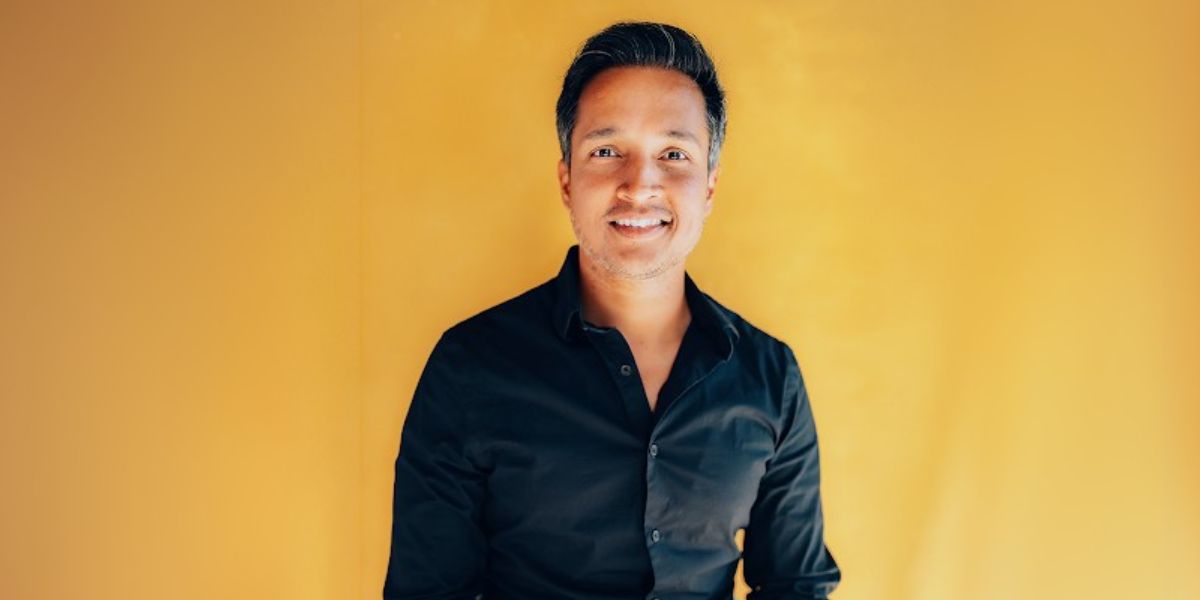

In every era of business, some leaders help reshape how organizations think about talent, strategy, and progress. At the intersection of people analytics and artificial intelligence, Gopal Krishna Iyer is influencing how data can guide decision-making and the future of work. His work goes beyond dashboards or spreadsheets—it transforms raw numbers into foresight, and foresight into frameworks that support people and technology working together.
Engineering Insight Into Practice
At Meta, Gopal built more than just analytics—he developed models that shaped how leaders approach recruiting and workforce planning. What began as analytics inside operations evolved into a framework that was so effective that it has been adopted across multiple functions. By embedding automation and standardization into recruiting and workforce planning, he provided executives with the ability to anticipate the future of their teams with greater clarity.
This focus proved especially important in the tech industry, where shifting priorities, rapid scaling, and global competition for talent can create ongoing uncertainty. Gopal’s frameworks helped leaders balance short-term hiring needs with long-term workforce strategies—making workforce planning less reactive and more proactive.
His earlier tenure at Cisco marked another turning point. As the company worked to strengthen its commitment to inclusion, Gopal contributed to creating the analytic foundation for its diversity strategy. He helped transform sensitive data into secure, enterprise-wide insights that leaders could act upon with confidence. The result was not just reporting, but a decision-making system that influenced how the company approached fairness and belonging on a global scale.
Where Research Connects to Impact
Unlike many in analytics who remain in either research or execution, Gopal works across both. His published work on AI in workforce planning, diversity analytics, and people strategy—available on ResearchGate—has earned him recognition as a scholar. At the same time, his career inside Fortune 500 companies has made him a trusted practitioner.
This combination of theory and real-world practice gives his work lasting credibility. In a tech sector where businesses are racing to integrate AI into HR systems, he demonstrates how research-driven approaches can be applied to real talent shortages, shifting workforce needs, and the demand for more agile planning. He illustrates that analytics can be rigorous enough for research yet practical enough to withstand the challenges of enterprise-scale execution.
A Leadership Philosophy Grounded in Values
For Gopal, analytics is never abstract. He approaches it through principles of transformation, empathy, collaboration, and audience awareness. These values guide how he leads teams and how he designs systems meant to last.
He actively mentors professionals and advocates for widespread data literacy across enterprises. His belief is that insight should not be confined to the executive level but should be accessible throughout the organization. In industries navigating AI-driven change, this democratization of data enables leaders and employees alike to anticipate disruption and adapt talent strategies more effectively. In his view, data becomes a powerful when it acts as a shared language for decision-making and growth.
Designing the Future of Work
The future of work, Gopal emphasizes, will not be decided by algorithms alone. “The differentiator will be the human vision that directs them,” he explains. He frames AI not as a replacement for workforce leadership but as an accelerant—helping leaders design more effective talent strategies in areas like remote collaboration, reskilling, and workforce agility. His ambition is to build ecosystems where AI supports decision-making, but human leadership provides interpretation and direction.
He sees analytics as a map that points forward, equipping leaders to anticipate both risks and opportunities. This is especially critical in the tech industry, where organizations are constantly facing pressure to scale teams globally while maintaining fairness, efficiency, and retention. The goal is an environment that balances efficiency with fairness, where technology expands human capacity rather than limits it.
A Voice With Industry Reach
Gopal’s contributions have left a mark on every organization he has served. At Cisco, his analytics helped redefine diversity reporting and inform company-wide initiatives. At Meta, his workforce intelligence models shaped decisions beyond his immediate team.
His impact is particularly relevant for CHROs and people leaders in technology companies, who must balance speed, scale, and inclusivity in hiring and retention strategies. For HR executives, his frameworks provide clarity in strategy. For analytics leaders, his work demonstrates how to scale systems without losing nuance. For academics, his career shows how research can be applied within complex organizations.
Why His Work Matters Now
At a time when companies collect more data than they can interpret, Gopal’s career highlights the difference between information and insight. Data without structure is noise; data shaped with foresight and empathy becomes strategy.
The rise of AI has intensified these challenges, particularly in technology-driven industries where workforce demands can change rapidly. Gopal’s frameworks offer leaders a way to move beyond reactive hiring cycles and instead create proactive, AI-informed talent strategies.
His story resonates because it is not only about professional success. It is about a philosophy that treats numbers as tools with ethical responsibility, ensuring that technology enhances human potential while protecting fairness.
Setting a Standard for Analytics and Leadership
The distinction of Gopal Krishna Iyer lies beyond his technical expertise. It rests in his vision of analytics as a tool for progress—helping create organizations that are adaptable, equitable, and prepared for the future.
While debates continue about how AI will reshape the workplace, his perspective remains steady: technology will matter, but leadership will set the direction. In an era where the tech industry faces unprecedented challenges in workforce planning, his work provides not just models, but a roadmap for organizations striving to build fair, resilient, and future-ready workplaces.
Disclaimer: The information in this article reflects the professional journey and achievements of Gopal Krishna Iyer. The views expressed are based on publicly available information, and the article does not offer specific advice or endorsements. Readers are encouraged to conduct further research and consult with relevant professionals when seeking advice on workforce analytics, AI, or leadership strategies.