
By: Shaz Zeeshan
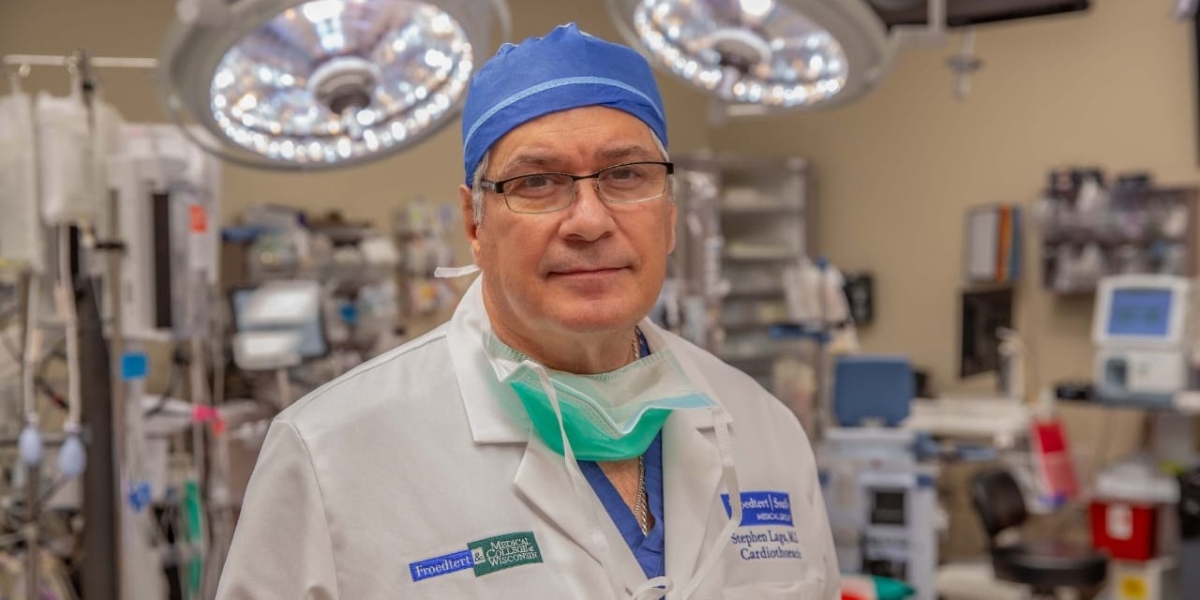
Dr. Stephen Laga is a distinguished cardiothoracic surgeon renowned for his significant contributions to both general and cardiovascular surgery. He obtained his medical degree from St. Louis University School of Medicine and further honed his expertise through an internship at St. Louis University Group Hospitals. Dr. Laga‘s surgical acumen was shaped during his general surgery residency at Rush Presbyterian St. Luke’s Medical Center in Chicago and a thoracic surgery residency at Baylor College of Medicine, followed by a specialized fellowship in cardiovascular surgery at Baylor. Today, he practices at Froedtert South Medical Group and has served in various prestigious roles across hospitals in Illinois, Louisiana, and Texas. His dedication to advancing the field is coupled with a commitment to patient-centered care and innovative surgical techniques. The following is an in-depth interview that sheds light on the journey of Stephen Laga, MD, his vision for the future of cardiothoracic surgery, and the insights he has gained throughout his illustrious career.
Early Career and Influences
What led you to pursue a career in cardiothoracic surgery?
My journey into cardiothoracic surgery began during medical school, where I was deeply inspired by the complex interplay of anatomy and physiology in the thoracic cavity. The precision required and the potential to significantly impact patient outcomes fueled my passion. Mentors like Dr. Michael DeBakey played a pivotal role in shaping my approach and instilled in me the values of surgical excellence and innovation.
Could you share some formative experiences from your education and training?
Each phase of my training was crucial in building a solid foundation. My residency in general surgery at Rush Presbyterian St. Luke’s Medical Center was rigorous and emphasized a holistic approach to patient care. At Baylor College of Medicine, I delved into thoracic surgery, where exposure to cutting-edge techniques and research widened my perspective. My fellowship in cardiovascular surgery at Baylor was particularly formative; it was here that I developed a keen interest in minimally invasive and transcatheter procedures.
Innovations and Techniques
What are your current goals, and how do you plan to achieve them?
My current objectives focus on advancing minimally invasive and transcatheter procedures—especially TAVR and complex valve repairs—within Froedtert South Medical Group. I aim to achieve this by integrating cutting-edge techniques, mentoring emerging surgeons, and fostering collaboration with multidisciplinary teams to improve patient outcomes continually.
How do you envision the future of cardiothoracic surgery, and what role do you hope to play in it?
I see cardiothoracic surgery evolving toward more hybrid, minimally invasive, and robotic-assisted interventions. My role will be to lead by example—evaluating innovations rigorously while maintaining safety and patient-centered care, helping shape guidelines, and teaching the next generation of surgeons.
Challenges and Opportunities
What challenges do you anticipate in reaching your future goals, and how will you overcome them?
Balancing technological adoption with safety, ensuring equitable patient access, and overcoming institutional inertia are some anticipated challenges. I plan to mitigate these by emphasizing rigorous evaluation, leading by example, seeking grants or institutional support, and maintaining clear communication with stakeholders.
What motivates you to keep pushing forward in your career journey?
The life-changing impact of our work drives me, the thrill of surgical innovation, and the responsibility to continue the legacy of excellence passed down from mentors like Dr. Michael DeBakey. Outside the operating room, my love for sailing reminds me of precision, calm, and resilience—qualities essential to both surgery and life.
Personal Insights and Vision
What emerging trends do you think will shape the future of your profession?
Emerging trends include the growing prominence of transcatheter interventions, robotic-assisted surgeries, hybrid procedures, and precision medicine—all underpinned by enhanced imaging and data-driven decision making.
How do you adapt your strategies to align with your long-term vision?
I stay adaptive by continuously integrating evidence-based innovations, staying connected with research, consulting colleagues across fields, and mentoring young surgeons so that the practices I advocate can perpetuate and evolve.
Achievements and Contributions
Dr. Laga, can you tell us about some of the most significant achievements in your career so far?
Throughout my career, I’ve been part of many transformative projects and procedures, but a few stand out. One would be the successful implementation of transcatheter aortic valve replacement (TAVR) programs at various institutions. This has enabled us to offer life-saving alternatives to patients who may not be suitable candidates for traditional surgery. Additionally, my work on refining techniques for minimally invasive mitral valve repairs has contributed to shorter recovery times and improved outcomes for patients.
How do you measure the impact of your work on the community or industry?
Impact is measured not only by improved patient survival and quality of life but also by the adoption of safer surgical methods and the number of surgeon trainees and colleagues who have been mentored through these advancements. It’s equally important to build trust within our community through excellence and compassionate care.
Vision for the Future
What innovative projects are you excited to explore in the next five years?
I’m particularly excited about expanding the applications of robotic and transcatheter valve platforms. Exploring applications in complex valve pathology, such as hybrid coronary–atrial fibrillation surgery, and further refining minimally invasive strategies are top of my agenda.
What legacy do you wish to leave in the field of cardiothoracic surgery?
I aspire to be remembered as a surgeon who combined technical excellence with patient-centered compassion—someone who brought innovative practices into routine care and inspired future surgeons to uphold the highest standards of care.
How do you prioritize and set milestones to ensure progress toward your vision?
I set clear procedural benchmarks—such as successful hybrid surgeries or new interventions—and tie them to outcomes, training milestones, and peer-reviewed data. Regular reviews with my surgical team and institutional leaders keep us on track.
Challenges and Adaptation
What challenges do you anticipate in reaching your future goals, and how will you overcome them?
Balancing technological adoption with safety, ensuring equitable patient access, and overcoming institutional inertia are significant challenges. I plan to mitigate these by emphasizing rigorous evaluation, leading by example, seeking grants or institutional support, and maintaining clear communication with stakeholders.
How do you stay adaptive in a rapidly evolving field?
I stay adaptive by continuously integrating evidence-based innovations, keeping abreast of research, consulting with colleagues across different fields, and mentoring young surgeons so that the practices I advocate can perpetuate and evolve.
Conclusion
Dr. Stephen Laga continues to set a benchmark in cardiothoracic surgery, blending his extensive expertise with a vision for future advancements. His commitment to innovation, patient care, and mentorship is evident in his pursuit of cutting-edge surgical techniques and his role in shaping the future of the discipline.
Disclaimer: The views and opinions expressed in this interview with Dr. Stephen Laga are his own and do not necessarily reflect the views of any affiliated institutions. The information provided is for informational purposes only and should not be considered as medical advice. Please consult with a healthcare professional for any specific medical concerns or questions.