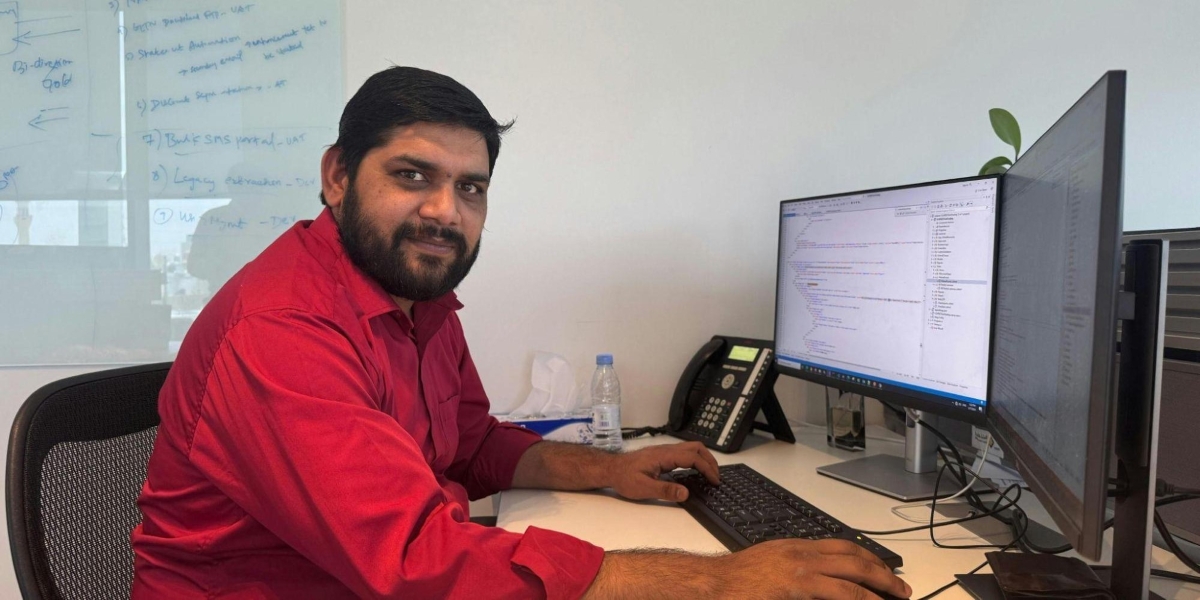

In today’s fast-evolving technological landscape, businesses are under constant pressure to innovate and stay relevant. However, many organizations still depend on legacy systems—older, often outdated software and hardware that support essential operations but lack the adaptability and scalability of modern solutions. For seasoned technology leaders like Ashraf Faheem, a Technical Lead with expertise in software engineering and enterprise applications, modernizing these legacy systems has become central to supporting an organization’s growth. Ashraf’s work across high-stakes projects in finance and healthcare demonstrates how modernizing legacy infrastructure can drive operational transformation without sacrificing stability.
In this article, we delve into how Ashraf’s technical leadership has impacted essential modernization projects, emphasizing the technologies he implemented, his approach to complex challenges, and the far-reaching importance of these upgrades.
Understanding the Legacy System Challenge
Legacy systems present unique challenges for organizations, especially in fields such as finance, where reliability, compliance, and security are paramount. Ashraf’s experience at Alistithmar Capital – Saudi Investment Bank perfectly illustrates the intricacies of managing legacy technology in a high-stakes environment. Leading the overhaul of the bank’s extensive application ecosystem (over 50 interconnected applications), he used his deep knowledge of Microsoft platforms, .NET, and Azure cloud services to identify and address the system’s critical performance and compliance issues. His modernization work here didn’t merely replace outdated software; it redefined how the bank’s technology infrastructure supported the business’s evolving needs.
Comprehensive Assessment of System Needs
Ashraf’s first step in any modernization project is a thorough assessment of existing systems to prioritize areas that require immediate attention. At Alistithmar Capital, he and his team conducted a detailed evaluation of each application’s performance, security, and role within the overall infrastructure. Ashraf focused on identifying where legacy elements could compromise compliance with industry standards and created a modernization roadmap that would enhance security, boost performance, and align the technology with future business goals. This precise assessment process positioned the bank to transition from legacy technology smoothly, avoiding the risk of disrupting critical operations.
Adopting a Phased Modernization Approach at Wedgewood Inc.
For Ashraf, phased modernization is essential in preserving business continuity. His work at Wedgewood Inc. on the Vendor Portal and the Acquisition Management Platform (AMP) is a prime example of this approach. Both platforms required gradual upgrades to enhance functionality and security without interrupting business operations. Ashraf led the Vendor Portal transformation using microservices and Azure cloud tools, implementing an Invoice Management System that streamlined approval workflows and connected seamlessly with third-party applications such as D365 and Yardi. This phased approach allowed Wedgewood to continue serving its users without delay while transitioning to a more agile and reliable system.
On AMP, Ashraf built a resilient infrastructure using Azure Kubernetes Services and Azure API Management, enabling modular, secure, and highly efficient operation across multiple applications. By separating different functions within AMP and upgrading them in stages, he improved Wedgewood’s flexibility, ensuring the platform could scale as business demands grew. His phased modernization at Wedgewood highlights how a gradual, systematic approach can deliver continuous improvement without compromising core functions.
Embracing Cloud-Based Solutions for Scalability
Ashraf’s expertise in Microsoft Azure has been a cornerstone in his modernization projects. For many of the systems he upgraded, migrating them to cloud-based environments became essential for achieving scalability and reducing costs. At Wedgewood Inc., Ashraf designed and deployed a robust cloud architecture for the Acquisition Management Platform, integrating Azure’s capabilities to offer real-time data processing, enhanced security protocols, and reduced operational costs. By managing cloud migration strategically, Ashraf enabled Wedgewood to support a growing user base and demand for seamless integrations without overhauling the system entirely.
Implementing Security-First Modernization
Security is a primary concern in legacy system upgrades, particularly in sectors handling sensitive information like finance. Ashraf’s leadership in upgrading authentication mechanisms at Streamland Media and Wedgewood Inc. underscores his commitment to securing data as a high priority. For instance, when Streamland Media needed to migrate from OKTA to Azure AD, Ashraf developed and implemented a comprehensive identity and access management solution that adhered to industry security standards, ensuring a seamless user experience and compliance.
At Alistithmar Capital, Ashraf ensured that each upgrade met stringent regulatory requirements, integrating multifactor authentication and encryption to safeguard financial data. His approach to security-first modernization reflects his understanding that modern systems must not only function efficiently but also protect critical information.
Enhancing User Experience and Training
An integral part of Ashraf’s modernization philosophy is making new technology accessible and user-friendly for teams across the organization. For example, at Alistithmar Capital, he redesigned the user interface across multiple applications, optimizing workflows and enhancing usability. Recognizing that system improvements are only as effective as their user adoption, Ashraf prioritized extensive training sessions and solicited feedback from employees, creating a culture of continuous adaptation. His dedication to user experience has ensured that upgraded systems are well-integrated into daily workflows, maximizing the effectiveness of each modernization effort.
Continuous Optimization for Long-Term Impact
For Ashraf, modernizing legacy systems is not a finite project; it’s an ongoing commitment to incremental improvement. At Alistithmar Capital, he established regular performance reviews to monitor the impact of newly implemented components, gathering user feedback and making enhancements where necessary. This approach ensures that modernized systems remain aligned with both technological advancements and business objectives. His emphasis on continuous improvement extends the life cycle of modernized systems, adding long-term value and reducing the need for frequent overhauls.
Ashraf Faheem’s work across high-profile modernization projects demonstrates how an effective modernization strategy can drive operational resilience and adaptability. By focusing on phased implementation, cloud-based scalability, security enhancements, and user-centered design, Ashraf has transformed legacy systems into agile, high-performing assets. His strategic foresight, combined with his hands-on experience with Microsoft platforms, cloud services, and secure architecture, exemplifies a balanced approach that allows organizations to innovate without compromising continuity.
In a digital-first world, Ashraf’s modernization philosophy positions him as a leader in transforming outdated systems into powerful tools that support business growth. His success in balancing technical advancement with operational stability serves as a model for other organizations looking to modernize their legacy systems thoughtfully and effectively.
Disclaimer: This content is for informational purposes only and is not intended as financial advice, nor does it replace professional financial advice, investment advice, or any other type of advice. You should seek the advice of a qualified financial advisor or other professional before making any financial decisions.
Published by Drake M.