
By: Maria Williams
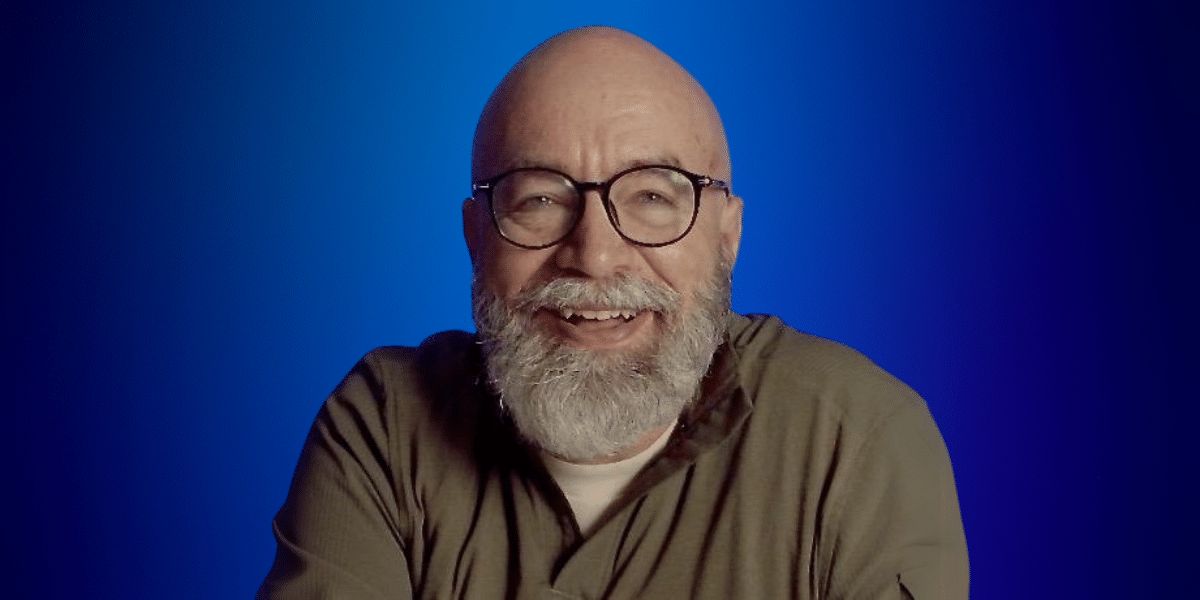
Leadership transitions are inevitable, yet many organizations struggle to handle these changes smoothly, usually resulting in instability, reduced productivity, and, in some cases, organizational collapse. As such, succession planning is a strategic imperative that must sit at the top of every executive’s agenda. Mark L. Vincent, Ph.D, EPC, an executive advisor at Teall Vincent Enterprises, guides executives seeking to ensure business continuity, preserve institutional knowledge, fulfill mission-driven goals, and adapt to future challenges.
With the projection that trillions of dollars in assets will shift from baby boomers to younger generations over the next two decades, a phenomenon called the Great Wealth Transfer, thoughtful succession planning is essential. After all, this movement will have profound implications for businesses, families, and the economy. Without it, organizations risk internal conflicts, a lack of direction, and the inability to adapt to changing market conditions.
It’s worth noting, however, that successful planning presents challenges stemming from human behavior and organizational dynamics. A common pitfall is the tendency for outgoing leaders to center the process on themselves instead of the organization’s mission. This ego-driven approach, which leads to selecting successors based on personal loyalty rather than merit, results in diminished performance and morale.
Dr. Vincent points to the failure to integrate succession planning with broader business continuity efforts as another challenge. Over 30 years of experience have allowed him to recognize that although operational continuity focuses on systems, processes, and infrastructure, succession planning addresses the equally critical human side of continuity: leadership talent and organizational culture. Treating these elements as separate silos usually results in misaligned strategies and unmet goals.
In addition, many leaders postpone hard decisions about succession until it’s too late. Behavioral economists describe this as “prospect theory,” where individuals delay addressing complex issues until the discomfort of the status quo outweighs the perceived risks of change.
Dr. Vincent’s career has prepared him to anticipate and address these challenges of succession planning. His role as a certified Executive Process Consultant and WiLD Facilitator enabled him to improve his skills in guiding organizations through complex transitions. He’s known for establishing and leading several transformative initiatives, including Design Group International and the Society for Process Consulting, where he has shaped executive advising and process consulting.
This executive advisor believes that leadership transitions are most successful when approached collaboratively and intentionally. Therefore, his work revolves around developing and guiding cohorts of CEOs through their leadership journey. These cohorts provide a structured environment for senior executives to explore, plan, and implement the crucial elements of succession, sustained organizational success, and legacy.
Dr. Vincent’s efforts led to a significant contribution to Design Group International’s Maestro-level leaders initiative, a four-year peer-based leadership journey for organizational leaders who are ready to embrace the challenges of transitioning their roles while ensuring their organizations thrive in the long term.
Maestro-level leaders are targeted at organizational leaders (both in for-profit and nonprofit sectors) who recognize the need to plan for succession proactively. These leaders understand that a thoughtful succession process can nurture organizational resilience, empower their successors, and preserve the legacy they have worked to build.
Participants join a cohort of six to ten peers and commit to a four-year journey to gain tools, strategies, and support that would help them through succession. The program incorporates monthly cohort meetings, quarterly retreats, one-on-one executive advising, weekly Maestro-level letters, leadership assessments, and case studies.
Dr. Vincent identifies four dynamics that the cohorts address. The leader’s role shifts dramatically as leaders prepare for succession. The cohorts then help leaders redefine their responsibilities to focus on enabling a successful transition. Secondly, succession isn’t a linear process. Cohort participants work to map the complex and overlapping responsibilities that need to be transferred.
The cohorts also guide leaders in forecasting the financial and operational needs of their organizations. With this, they ensure successors inherit a thriving enterprise, not an enterprise that holds unforeseen challenges. Last but not least, participants articulate a leadership philosophy, providing successors with a clear foundation on which to build.
The Maestro-level leaders initiative aligns with the framework referred to as “The Three Turns of an Executive Leader.” This framework reveals the evolution of leadership across an executive’s career. Artisan (Learning to Lead Oneself) is the first turn. It involves personal growth and self-leadership, where leaders discover their capacities, boundaries, and strengths while sharpening the skills they need to succeed individually.
The second turn—Artist (Learning to Lead Others and an Organization)—shifts the focus outward. Leaders take on responsibility for teams and organizations, mastering leading others and balancing organizational demands. Meanwhile, Maestro (Learning to Lead Toward Legacy), the third turn, is the focus of Maestro-level Leaders. At this stage, leaders transition from operational oversight to building future value.
“The third turn is an opportunity and a challenge,” Dr. Vincent remarks. “As a leader, succession planning might be the hardest work you’ll ever do. After decades of hard work, you’d think this phase would be easy, but it calls on every skill you’ve developed—and then some. If you really intend to slingshot your successor into a brighter future and see your organization thrive without you, you’ll face your faults, confront your limitations, and experience a blend of joy and sorrow unlike anything else. But this journey will grow you into the best version of yourself. It will be painful, but just like any endeavor, whether one intends to become a top athlete, artist, or leader, pain is the antecedent to excellence.”
Indeed, the program’s success has been undeniable. The first cohort has completed its four-year journey, with each participant achieving a major transition by the end of the third year.
Dr. Vincent’s extensive advising work is an excellent example of the broader economic impact of intentional succession planning. He carries a “book of business” valued collectively at $2.5 billion. It includes organizations ranging from global NGOs to engineering firms, faith-based organizations, and leisure companies—all successful in navigating planful succession with Dr. Vincent’s guidance.
Ultimately, the ripple effects of Dr. Vincent’s work in succession planning extend beyond individual companies. As more leaders adopt his unique approach, they create more resilient organizations. In turn, they contribute to a healthier economy, as they drive innovation, support communities, and secure jobs.
Published by Elle G.