
Undergraduate enrollment has been declining steadily for over a decade since 2010, signaling a shift in how people think about building a career. The idea that a college degree is the ultimate path to success has lost its grip, and for good reason. The world is changing, while stories of passion and perseverance demonstrate the real keys to a successful career.
This shift poses questions about its motivations and how people now define success. Some might argue that those who bypass a college degree reject education. In truth, many do it out of a desire for real-world experience, skill-building, and a quicker path to achieving professional and entrepreneurial goals. More people seek ways to obtain the qualifications they need directly on the job or by starting their ventures, believing that these experiences will lead them to success more quickly than a four-year degree.
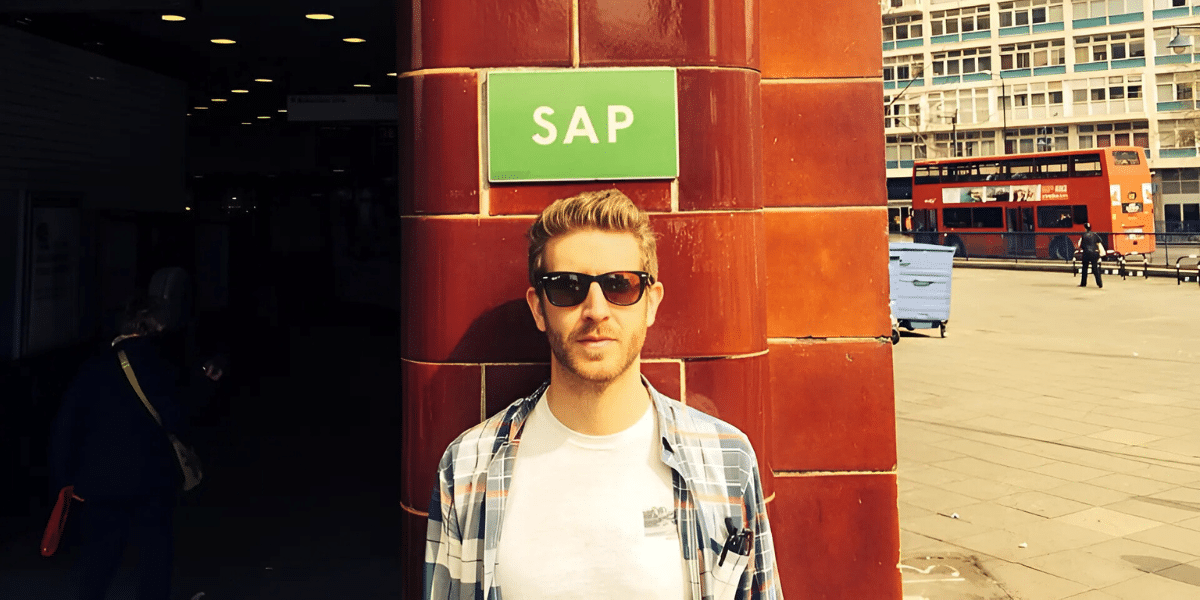
Take Elie Goral, founder of Seattle-based creative agency COLOR. Goral’s path is the definition of unconventional. A Seattle native, Goral spent his time post-high school as a drummer, touring with some of the city’s notable punk bands of the early 2000s. He simply followed where his creative passion and streak of irreverence took him, not a diploma. But he did so fervently, embracing the punk rock ethos he learned growing up in the chaos of Seattle’s music scene.
This pursuit of what inspired him took him from the stage to indie film sets and eventually to a role at a large tech company, where he honed his creative and technical skills through experience—not a classroom.
Eventually, Goral launched COLOR, a national force in the advertising industry, working with global brands like Xbox and Amazon and receiving industry accolades from Clios to Addys. COLOR’s success didn’t come from following traditional processes either; it came from a philosophy that values creative drive over credentials. Goral’s team doesn’t hire based on degrees; they seek people with tenacity, curiosity, and the pursuit of doing something versus getting somewhere (along with a reasonable sense of self-deprecating humor).
Goral’s story exemplifies how, in today’s rapidly changing job market, passion, practical experience, and creativity can often outweigh the traditional route of formal education. As work evolves, more individuals recognize that success is defined by the ability to innovate, connect with others, and follow one’s passion—qualities that a degree alone cannot guarantee.
The data backs up this trend. In the United States, undergraduate enrollment dropped by about 1.4 million students between 2019 and 2022 as Gen Z weighs the cost of higher education against real-world opportunities. Many are pursuing their passions directly rather than accumulating student debt and entering a hyper-competitive job market with nothing but a diploma. More successful careers today than ever before, from creative industries to tech startups, are founded on skills gained through hands-on experiences, internships, and self-driven projects rather than coursework.
COLOR’s growth and Goral’s rise from punk drummer to CEO underscore a more significant trend: success is rooted in doing work that excites and challenges individuals. Following what one loves may be the surest way to build a lasting career in a landscape where creativity, adaptability, and resilience are prized.
Published by: Khy Talara