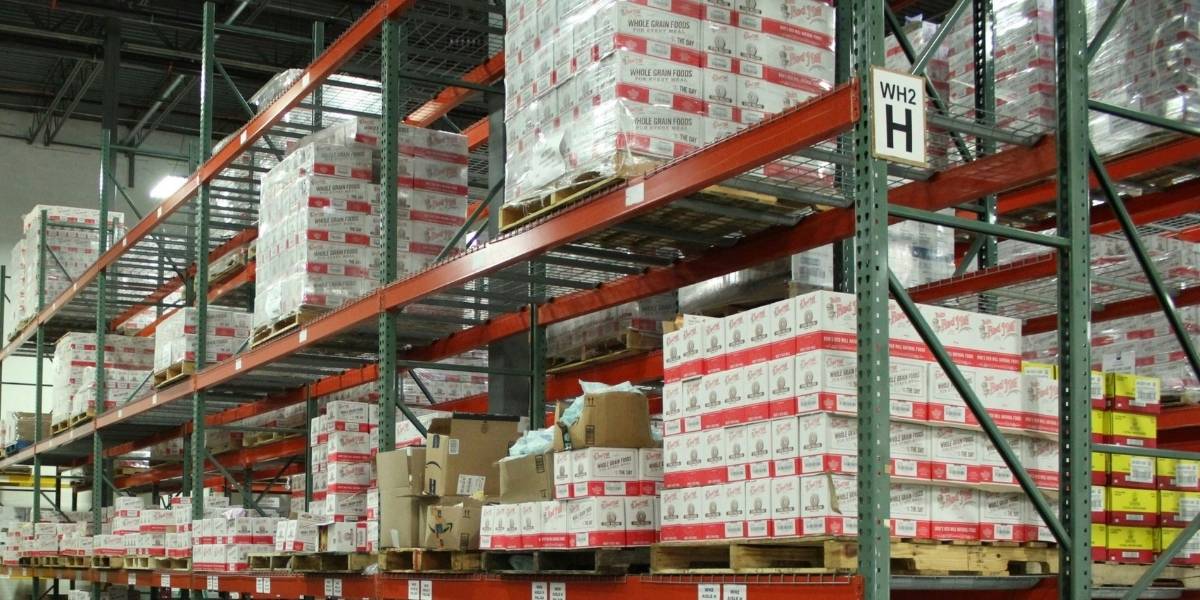

Small business owners should buy in bulk whenever possible. Wholesale shopping helps them save money while increasing the number of products they have on hand. This applies to merchandise and other types of supplies. Building contractors, for instance, would want to be certain that they have more than enough material on hand to tackle any projects they are assigned to.
If you’ve been thinking about ordering more material from a big box store, then you’re probably curious whether or not they have what you need. Modern distribution centers can serve many different types of organizations. Check out these types of companies, and you’ll probably see much of your own business reflected in them.
Food Service Companies
One of the largest sources of business for wholesalers comes from food service firms. Commercial kitchens that serve restaurants and cafeterias need huge amounts of supplies. This includes not only ingredients but also all of the various accouterments used in serving meals. For instance, business managers often need disposable plates and napkins to serve anywhere but inside a fine restaurant. Others might need those little salt and pepper packets that come free with takeout. Owners of companies that serve these firms have worked to establish supply chains that fulfill these needs.
Health and Beauty Stores
Drug stores and beauty supply shops were among the first to adopt modern bulk buying trends. These businesses normally sell a large number of items that are only ever marked up a small amount. As a result, they need to do everything they can to broaden their margins. Buying bulk wholesale health supplies is a great way to reduce upfront costs and walk away with more money at the end of the month.
Stores that compete in this space often have to deal with relatively high rent and utility costs as well, which makes it all the more important that they buy merchandise at an affordable price. If you run a small drugstore or supermarket, then you’ll also want to order a number of related goods from a wholesaler. Customers will likely want to buy batteries, vitamins, and other staples, so it makes sense to stock as many of these products as possible.
High-Tech Businesses
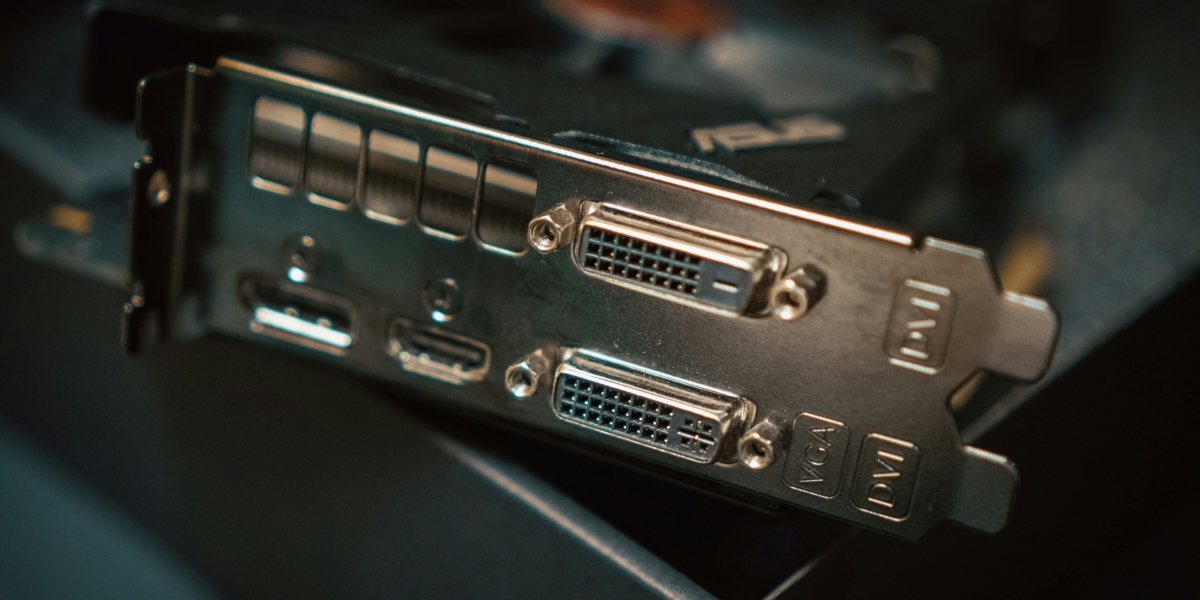
Computer companies may not look like the primary targets for wholesalers, but they’re actually some of the biggest customers around. Buying sufficient supplies of computer chips has historically been a major issue for the industry going back to the 1980s. Information technology managers will often reach out to brokers that deal with semiconductors and get huge numbers of them all at once. They’ll then start to fill orders while actively looking for additional supplies. Predicting customer needs can be very difficult, so it helps to always have more material on hand than you might expect to use.
That advice could be applied to almost any business operation, so it makes sense to buy in bulk.
Summary
Wholesale purchasing benefits various industries by reducing costs and ensuring sufficient stock levels to meet demands. Food service companies, for instance, rely on bulk orders for kitchen essentials, disposable items, and condiments. Health and beauty stores leverage wholesale buying to cut costs on frequently purchased low-margin products like vitamins and personal care items. Even high-tech businesses, such as those in the computer industry, depend on bulk procurement to maintain steady supplies of critical components like semiconductors. For many sectors, wholesale purchasing not only lowers expenses but also supports smoother operations and readiness for fluctuating customer demands.
Published by: Annie P.