
By: Elena Mart
Environmental leaders and policymakers worldwide have gathered in Colombia this year with a united objective: to negotiate a groundbreaking global treaty on plastic pollution. As plastic waste continues to choke oceans, harm wildlife, and endanger public health, nations are feeling the urgency to address this crisis through comprehensive, binding international agreements. The event in Colombia marks a significant step towards a unified approach to combat the escalating problem of plastic pollution, with discussions focused on reducing plastic production, improving waste management, and promoting sustainable alternatives.
The Need for a Plastic Pollution Treaty
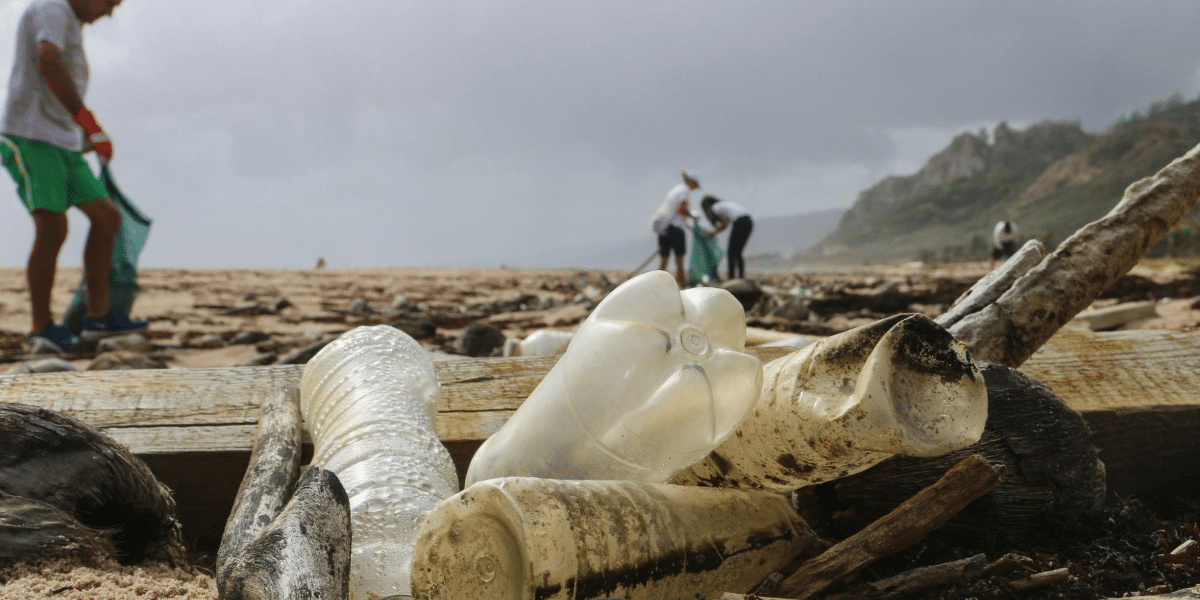
Plastic pollution has emerged as one of the pressing environmental challenges of our time. Studies show that approximately 300 million tons of plastic are produced yearly, and a staggering amount of this is in landfills, rivers, and oceans. The impact on marine ecosystems is particularly devastating, with millions of marine animals affected by plastic waste annually. Moreover, microplastics in food, water, and even the air have raised alarm about potential health risks for humans.
A global plastic pollution treaty is essential for tackling these interconnected issues. Unlike local or regional solutions, an international treaty would create a unified set of regulations and standards that all participating countries must follow. This approach would prevent countries with stringent regulations from facing economic disadvantages and create a collaborative framework for nations to collectively address pollution.
Key Goals of the Treaty
Delegates in Colombia are working towards a treaty that will target the entire lifecycle of plastic, from production to disposal. The primary goals under discussion include:
- Reducing Plastic Production: The treaty’s major focus is to limit the production of single-use plastics and encourage manufacturers to adopt sustainable practices. Reducing the reliance on plastic packaging and products could significantly reduce the overall volume of plastic waste generated.
- Improving Waste Management: The treaty establishes efficient plastic waste management guidelines, including recycling and proper disposal methods. Developing countries, where waste management infrastructure may be lacking, are a particular focus to ensure that solutions are accessible and effective globally.
- Promoting Reusable and Biodegradable Alternatives: The treaty will advocate for developing and using reusable and biodegradable alternatives to traditional plastics. Investing in and promoting sustainable materials can decrease dependence on plastics and encourage packaging and product design innovation.
- Addressing Microplastics: Microplastics, tiny particles resulting from the breakdown of larger plastic waste, are increasingly found in ecosystems and human bodies. The treaty will regulate industries that contribute to microplastic pollution and promote research into methods for reducing their presence in the environment.
International Cooperation and Challenges
The conference in Colombia, which brought together leaders and experts from diverse regions, highlighted the need for international cooperation in addressing plastic pollution. While many nations agree on the severity of the issue, there are differing opinions on the ideal methods for tackling it. Wealthier nations with more advanced waste management systems may advocate for stricter regulations, whereas developing countries may be concerned about the economic impact of implementing these changes.
Financing remains a key challenge. Developing countries often lack the resources to invest in sustainable practices and seek financial support and technology transfer from wealthier nations. Addressing these disparities is essential for the treaty to be fair and effective, ensuring all nations can participate in global solutions to plastic pollution.
Role of Private Sector and Innovation
Another significant element of the treaty discussions is the role of the private sector. Businesses, particularly those in manufacturing and retail, are likely major contributors to plastic waste. The treaty encourages corporations to adopt sustainable practices, reduce plastic packaging, and invest in eco-friendly alternatives.
Many companies have already committed to reducing their plastic footprint, but a legally binding treaty would standardize these efforts and create accountability. Furthermore, the treaty would encourage innovation by incentivizing companies to develop and adopt biodegradable materials and waste-free solutions. The treaty would mobilize a vast network of resources and ideas to address plastic pollution by involving the private sector.
A Historic Step Toward a Greener Future
The push for a plastic pollution treaty in Colombia represents a historic effort to protect the environment and promote sustainability on a global scale. For many environmental advocates, this treaty could be as impactful as previous international climate change and biodiversity agreements. The treaty has the potential to set a precedent, guiding nations in collective action to safeguard ecosystems and public health from the damaging effects of plastic pollution.
As the world watches the negotiations unfold, there is hope this landmark agreement will mark a turning point in the fight against plastic pollution. By committing to a shared vision of sustainability, global leaders in Colombia are working to create a cleaner, greener, and more sustainable future for generations to come.
Published by: Holy Minoza