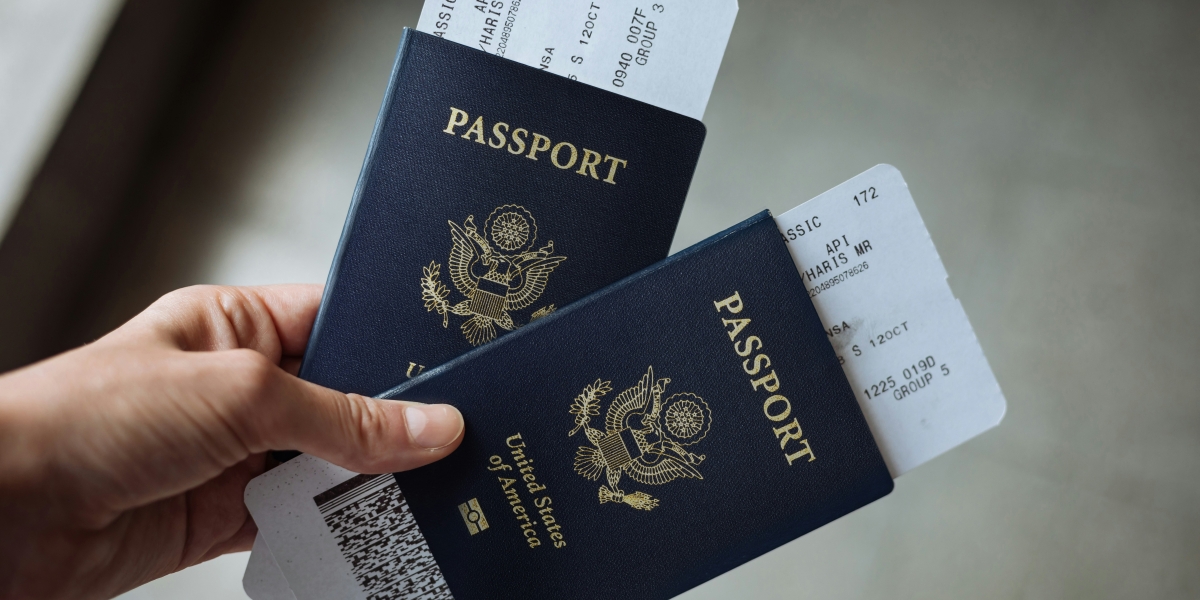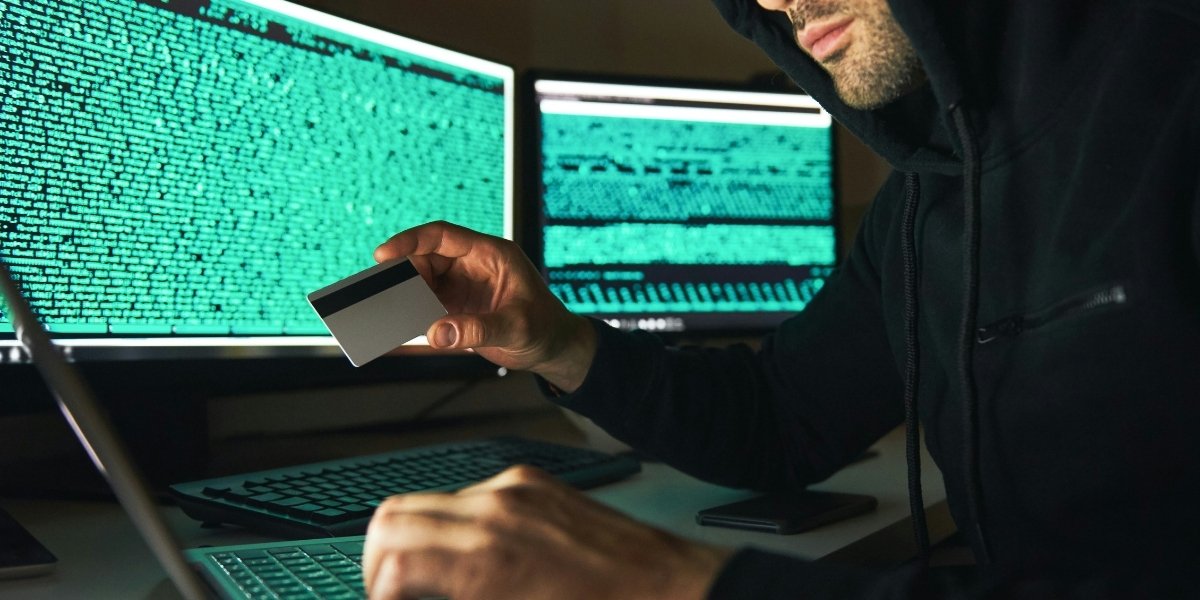

As more government services and processes move online, digital interactions with government agencies are becoming more convenient. Whether you’re renewing your driver’s license, filing taxes, or applying for social security benefits, the digital shift has streamlined these processes for millions of people. However, with this shift comes an increased risk of identity theft. Cybercriminals are always looking for ways to exploit personal information, making it essential for individuals to protect themselves when interacting with government websites and online platforms.
This article will explore the top strategies for preventing identity theft during digital government interactions and highlight how platforms like GOV+ are helping users stay safe and secure.
1. Use Strong, Unique Passwords
One of the most basic yet effective ways to protect yourself from identity theft is by using strong, unique passwords for all your accounts, especially those related to government services. Many people still use simple passwords like “password123” or their birthdate, which can be easily guessed or hacked. A strong password should contain a mix of upper and lower-case letters, numbers, and special characters.
It’s also important to avoid using the same password across multiple accounts. If a hacker gains access to one account, they could potentially access other accounts that share the same password. Consider using a password manager to generate and store complex, unique passwords for each service. This makes it easier to manage your accounts securely without relying on weak or reused passwords.
2. Enable Two-Factor Authentication (2FA)
Many government services and online platforms now offer two-factor authentication (2FA) as an added layer of security. 2FA requires you to provide two forms of identification before you can log in to your account—typically a password and a code sent to your mobile phone or email. This extra step ensures that even if someone has your password, they won’t be able to access your account without the second form of verification.
For government-related interactions, enabling 2FA is crucial because of the sensitive nature of the information involved. Services like GOV+ encourage users to take advantage of 2FA to protect their accounts and safeguard their personal information.
3. Be Wary of Phishing Scams
Phishing scams are one of the most common methods used by cybercriminals to steal personal information. These scams often come in the form of emails, text messages, or phone calls that appear to be from a legitimate government agency. The message might ask you to click on a link, enter your personal information, or download an attachment. Once you do, the scammers can gain access to your sensitive data or install malware on your device.
To protect yourself from phishing scams, be cautious when receiving unsolicited messages. Always double-check the sender’s email address and avoid clicking on links or downloading attachments from unknown sources. If you’re unsure whether a message is legitimate, contact the government agency directly through their official website or phone number.
4. Keep Your Software and Devices Updated
Keeping your software, devices, and apps updated is a critical step in protecting yourself from identity theft. Cybercriminals often exploit security vulnerabilities in outdated software to gain access to personal information. By regularly updating your operating system, web browsers, and apps, you ensure that you have the latest security patches and protections in place.
Government websites and platforms are constantly evolving to improve security and user experience. Similarly, GOV+ is committed to staying ahead of the curve by using the most up-to-date security protocols to protect its users.
5. Use Secure Wi-Fi Connections
When accessing sensitive government services online, it’s important to use a secure, private Wi-Fi connection. Public Wi-Fi networks, such as those in coffee shops, airports, or libraries, are often unsecured, making it easy for cybercriminals to intercept your personal information. Avoid accessing government websites or entering sensitive data while using public Wi-Fi.
If you need to access government services on the go, consider using a virtual private network (VPN). A VPN encrypts your internet connection, ensuring that your data is protected from prying eyes. This is especially useful when you’re in a situation where public Wi-Fi is your only option.
6. Monitor Your Accounts Regularly
Monitoring your financial and government-related accounts regularly is a key step in identifying potential identity theft early. Check your bank statements, credit reports, and government accounts for any suspicious activity or unauthorized transactions. Many government services offer alerts or notifications that can help you stay on top of any unusual activity in your accounts.
If you notice anything unusual, report it immediately to the relevant authorities. Early detection can prevent further damage and help you resolve any issues more quickly.
7. Use Trusted Platforms for Government Services
When interacting with government services online, it’s crucial to use trusted platforms and official websites. Many scammers create fake websites that mimic government portals in order to steal personal information. Always verify that you’re using the correct website for government services by checking the URL, which should end in “.gov” for U.S. government websites.
Platforms like GOV+ provide a secure and reliable way to manage government applications and documents. These platforms are designed with user safety in mind, offering robust security features to ensure that your interactions with government agencies are protected from cyber threats.
Conclusion
As government services continue to move online, it’s essential to prioritize the security of your personal information. Preventing identity theft during digital government interactions requires a combination of strong passwords, two-factor authentication, awareness of phishing scams, and the use of secure platforms.
By staying informed and implementing these strategies, you can reduce the risk of identity theft and enjoy the convenience of managing your government documents and applications online with peace of mind. Always take proactive steps to protect your information, and remember that with the right tools and habits, staying safe in the digital age is entirely possible.
Published by: Holy Minoza