
By: Chaz Herman
Over the past few years, the B2B IT buying process has transformed dramatically. Decisions that once seemed straightforward are now complex, multi-layered endeavors that stretch timelines and challenge even the seasoned sales teams. The market has evolved, and if you’re in the B2B tech space, this isn’t just news—it’s a reality we must lean into.
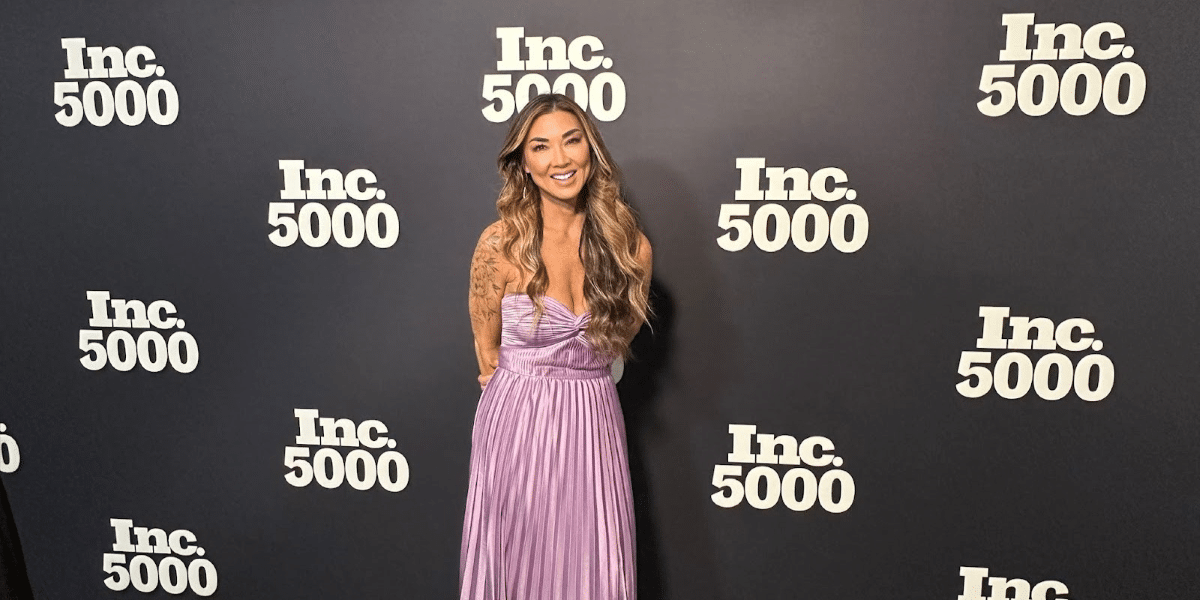
Tonya Turrell, founder of The Launchpad, is at the forefront of this transformation. Through her innovative approach to lead generation and customer-focused marketplace, technologymatch.com, she’s redefining how tech buyers and sellers connect in a crowded, competitive landscape.
The Buying Journey Is No Longer Linear
Gone are the days when tech buying decisions were contained within a tight circle of executives. The CTO, the CFO, and maybe a key department head used to make the calls. Today, however, the average buying team involves 25 people, up from just 16 a few years ago. Each person brings their own priorities, concerns, and agendas to the table, which complicates the decision-making process.
Sales cycles are now much longer than they were in the past. This shift forces companies to nurture relationships longer, build trust with more stakeholders, and keep a pulse on a buyer’s ever-evolving needs. Traditional lead generation tactics, like BANT (Budget, Authority, Need, and Timing) appointment setting, are struggling to keep up because buyers aren’t operating in the same headspace they were a decade ago.
“It’s a different game now,” says Turrell. “You’re not just closing deals; you’re managing a journey that’s full of twists, turns, and plenty of hands in the pot. It’s not about quick wins—it’s about building long-term relationships that make every stakeholder feel heard and valued.”
Buyers Are More Selective—and They Have More Options
Adding to the challenge, today’s B2B buyers have an unprecedented number of options at their fingertips. They’re open to exploring new brands, with many even willing to switch from long-trusted incumbents in search of innovation and solutions that better fit their needs.
This more competitive landscape means tech vendors must go beyond just showing up as the familiar, safe choice. “Being the ‘safe bet’ isn’t enough anymore,” Turrell explains. “Buyers are hungry for innovation and brands that truly understand their evolving challenges.”
For The Launchpad, this shift is exactly why they developed the MQLPlus model and technologymatch.com—a matchmaking platform that connects B2B IT buyers with relevant tech solution providers quickly and effectively. “We’re putting the buyer at the center of everything,” says Turrell. “Our focus is on immediacy and relevancy, making sure that buyers get what they need right now, not six months from now when their initial interest might have cooled.”
Smart Marketers Are Prioritizing Customer Growth
This evolving buyer behavior isn’t just changing how leads are generated; it’s redefining how relationships are maintained. With 57% of B2B marketers focusing on customer marketing, the industry is shifting its energy from chasing new leads to nurturing existing relationships.
“The real magic happens when you move beyond selling and start investing in your customer’s success,” Turrell shares. “Tech buyers don’t just want vendors; they want partners who are in it for the long haul. It’s not about upselling—it’s about becoming an integral part of their success story.”
Customer marketing, as The Launchpad sees it, is the key to thriving in a market where sales cycles are longer and competition is fierce. It’s about loyalty, growth, and positioning your brand as more than just a product provider. When customers view you as invested in their journey, they’re more likely to stick around—even as they’re fielding offers from other brands.
Be There Early: Building Loyalty Before the Funnel
One of the critical shifts in the B2B IT buying landscape is the need for vendors to be present earlier in the sales cycle.
“Being there when buyers are just starting their research is everything,” says Turrell. “This is the time to engage, build trust, and establish loyalty. By the time buyers are further down the funnel, they’ve already made connections with the brands that were there early, providing value without a hard sell. If you’re not engaging buyers at the start, you’re missing a huge opportunity to shape the conversation and build that loyalty before they even talk to your competitors.”
This early engagement gives tech companies the runway to establish themselves as trusted advisors, positioning them well ahead of the competition when the buyer is finally ready to make a decision.
Navigating the New Reality of Longer Sales Cycles
Understanding the factors behind the extended sales cycles is only half the battle. Navigating these waters requires a strategic approach that turns challenges into opportunities. Here are some key strategies:
- Be Present Where Buyers Are Researching and Establish Trust Early: Today’s buyers are self-educating, and they prefer to do it anonymously—long before they’re ready to talk to a salesperson. Tech vendors must ensure they’re visible where buyers are looking: search engines, review sites, social media, and communities. The key is to provide content that answers their questions, showcases transparent pricing, and validates your claims with peer reviews. “It’s crucial to be present early in the buyer’s journey,” says Turrell. “Tech companies need to not only show up but also partner with the IT buyer, advise them, and demonstrate their value. If you can provide meaningful insights and guidance during these early phases, you position yourself as a thought leader and trusted advisor—not just another vendor.” By offering relevant information and engaging with buyers early, tech companies can build trust and establish themselves as thought leaders, which increases the likelihood of being on the buyer’s shortlist.
- Prove Value Early and Focus on Transparent, Self-Serve Resources: In an era of economic caution, buyers are prioritizing mission-critical purchases and demanding clear proof of ROI upfront. To earn a spot on a buyer’s shortlist, vendors must make their value proposition crystal clear from the beginning. This means offering transparent pricing, providing easy access to demos and free trials, and using authentic customer proof points to validate claims. Don’t gate key information like pricing or trial access behind sales calls; buyers want to engage on their own terms. “Buyers want transparency and ease of access—they’re turned off by anything that slows them down,” says Turrell. By aligning with these expectations, vendors can reduce friction and build buyer confidence throughout the journey.
- Build a Balanced Marketing Strategy That Elevates Brand Trust: While demand generation is critical, vendors can no longer afford to ignore brand awareness. With 78% of buyers considering products they’ve heard of before starting their research, investing in brand trust is non-negotiable. Companies need to allocate marketing resources toward brand-building initiatives, such as content marketing, thought leadership, and SEO, to ensure they remain top of mind. “It’s not just about being found—it’s about being known and trusted,” says Turrell. “Buyers are more likely to engage with brands they recognize and feel confident in, even before they’ve spoken to a rep. This is why we added content syndication and content creation to our suite of offerings.
- Leverage Customer Voices to Validate Your Claims: In today’s market, the voice of the customer is more powerful than any marketing message a vendor can craft. Buyers are increasingly skeptical of vendor-provided content and are turning to peer reviews, user-generated feedback, and word-of-mouth validation. Vendors should encourage a variety of reviews that reflect the diverse use cases of their products. The quality of reviews—honest, detailed, and from relatable users—matters far more than the quantity. By amplifying authentic customer stories, vendors can build credibility and differentiate themselves in an oversaturated market.
- Optimize Product Demos and Free Trials to Highlight Specific Use Cases: Buyers are not just looking for a broad showcase of your product’s features; they want to see how it solves their unique challenges. Demos and free trials are consistently ranked among the influential resources in the buying process, so vendors must ensure these touchpoints are tailored, accessible, and aligned with the buyer’s needs. “Make your demos and trials as relevant as possible to the buyer’s use case,” advises Turrell. “The more a prospect sees how your product fits their specific needs, the more likely they are to move forward with confidence.”
- Adapt Sales Tactics to Be More Consultative and Less Pushy: Cold calls and hard sales tactics are becoming increasingly ineffective. Instead, sales teams should take on a consultative role, providing expert guidance that complements the information buyers have already gathered on their own. This approach helps build rapport and positions sales reps as advisors rather than gatekeepers. By focusing on providing value at every stage, sales teams can nurture relationships and keep deals moving without applying pressure that turns buyers off.
The Road Ahead: Leading with Trust, Transparency, and Customer-Centricity
The B2B IT buying process is undergoing profound changes, with buyers taking control of their journey like never before. To thrive, tech vendors must adapt by being visible where buyers are researching, prioritizing transparent and self-serve resources, and building brand trust that resonates with today’s cautious, educated, and discerning buyers.
“2024 is the year to prove your worth at every turn,” says Turrell. “The vendors that can show up early, deliver value consistently, and build trust will be the ones leading the charge into the future.”
The Road Ahead: Adapting and Leading the Charge
The B2B IT buying process is more complex than ever, but it’s also ripe with opportunity for those willing to adapt. By focusing on customer success, understanding the dynamics at play, and evolving beyond traditional pipeline generation, tech vendors can not only survive this shift but thrive in it.
“The brands that put relationships first are the ones that will lead the charge,” says Turrell. “We’re not just here to sell—we’re here to create connections that matter. That’s the future of B2B IT, and we’re excited to be at the forefront.”
Published By: Aize Perez