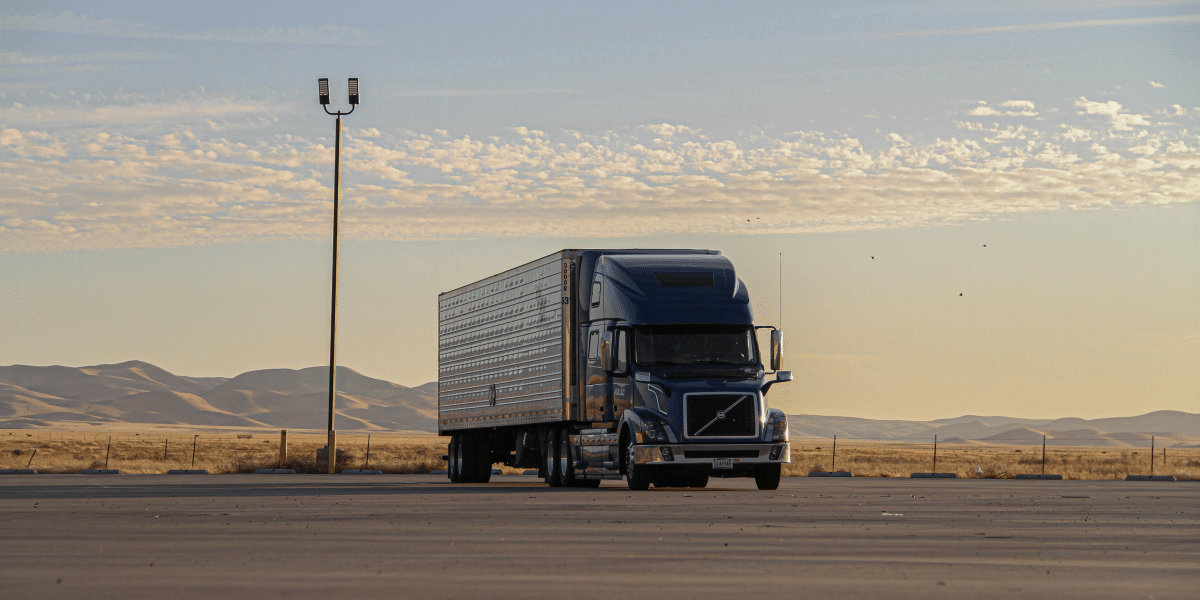


A thorough understanding of the trucking needs is essential for a business to flourish and avoid frequent damages. Dry vans, flatbeds, and reefers are common options for FTL cargo goods.
This blog will highlight these three options and how they serve different freight needs.
Understanding the Different Types of Trucking Services
The total size of the international freight trucking market was approximately USD 2.2 trillion in the year 2022, and the growth in the market value is expected to reach nearly USD 3.4 trillion by 2030, expanding at a CAGR of 5.4 percent.
Most business ventures rely on these aspects, especially the choice of truck services they wish to hire.
Dry vans are one of the popular services, as they provide a covered trailer to shield the commodities from weather vagaries and other elements. On the other hand, flatbeds are specialized for broad and/or odd-shaped products like construction products and machinery.
Reefers move sensitive cargoes such as foodstuffs and medicines at a given temperature.
Every type of trucking is special in some way, and certain conditions and truck brokerage must be met to determine the most suitable.
Dry Van Trucking: What is it used for?
Dry van trucking is a frequent service used when transporting general cargo. If you have encountered large enclosed trailers moving on the highways, you have encountered dry vans.
They are commonly applied to transport food products that do not spoil easily, electronics, clothes, and all types of packaging products that do not require a particular weather or environmental condition to be maintained.
Pros:
Weather Protection: Another advantage of dry van trucks is that the length of the trailer shields your shipment from any adverse weather: weather conditions, dust, rain, or sunbeam.
Versatility: Dry vans are versatile containers that can transport numerous products and thus remain popular in different fields, ranging from retailing and manufacturing to distribution.
High Availability: Dry vans are a popular type of trailer, which means they are easy to rent, including truck brokerage. It also makes the chances of hiring them for your logistics requirements without having to wait for long easy.
Cons:
Limited Cargo Size: Even though dry vans are suitable for any type of cargo, these trailers are appropriate only for goods that can fit into an enclosed space.
Weight Restrictions: Overload of cargo may harm the item or freight on the vehicle while on the other side, the company may be penalized for overloading the vehicle
Loading Challenges: Dry vans are not loaded from any particular side other than the rear end, and this is somewhat time-consuming
Flatbed Trucking: What is it used for?
Flatbed trucking is commonly used to transport large, heavy, or irregularly shaped cargo, such as construction materials, machinery, steel beams, and vehicles.
Pros:
Easy Loading/Unloading: Since flatbed trailers are open, you can load cargo from the top, sides, or rear. This flexibility makes it easy to load large or bulky items quickly.
Suitable for Oversized Cargo: Flatbeds are perfect for oversized or awkwardly shaped cargo. Whether construction equipment or large machinery, a flatbed offers the space and flexibility needed.
Cons:
Weather protection is an extra: Rain, wind, and other weather conditions can affect your freight if it’s not properly covered with tarps, and this service represents an extra cost.
Special Handling: Cargo on a flatbed needs to be secured with straps or chains. This requires extra time and attention to ensure safety during transport.
Reefer Trucking: What is it used for?
Reefers deal with products that should be conveyed at a certain temperature. Examples are food items, drug products, and other sensitive products.
Pros:
Temperature Control: This is the strength of reefers. The primary benefit or special feature of reefers is the ability to control temperature. If you move frozen cargo or fragile medicine, reefers will meet the required environmental conditions.
Preserve Product Quality: Reefers keep food products at the right temperature, thus preventing spoilage or becoming a nuisance to others.
Year-Round Transport: Reefers can run at any time of the year. Summer or winter, they keep products at the right temperature.
Weather Protection: whether it is snowing or hot, it will not impact your cargo since it is enclosed in the insulated.
Cons:
Higher Costs: Running a reefer trucking business is usually more expensive than running a dry van. The use of extra equipment and high energy costs make the choice costly.
More Maintenance: Reefers must be well maintained to guarantee that the reefer part of the truck functions aptly.
Bottom Line
Dry vans, flatbeds, and reefers operate independently and offer various advantages that meet the requirements of the logistics industry.
Knowing all these, you can now determine and make adjustments to safely, efficiently, and effectively transport your shipments.
Published by Elle G.