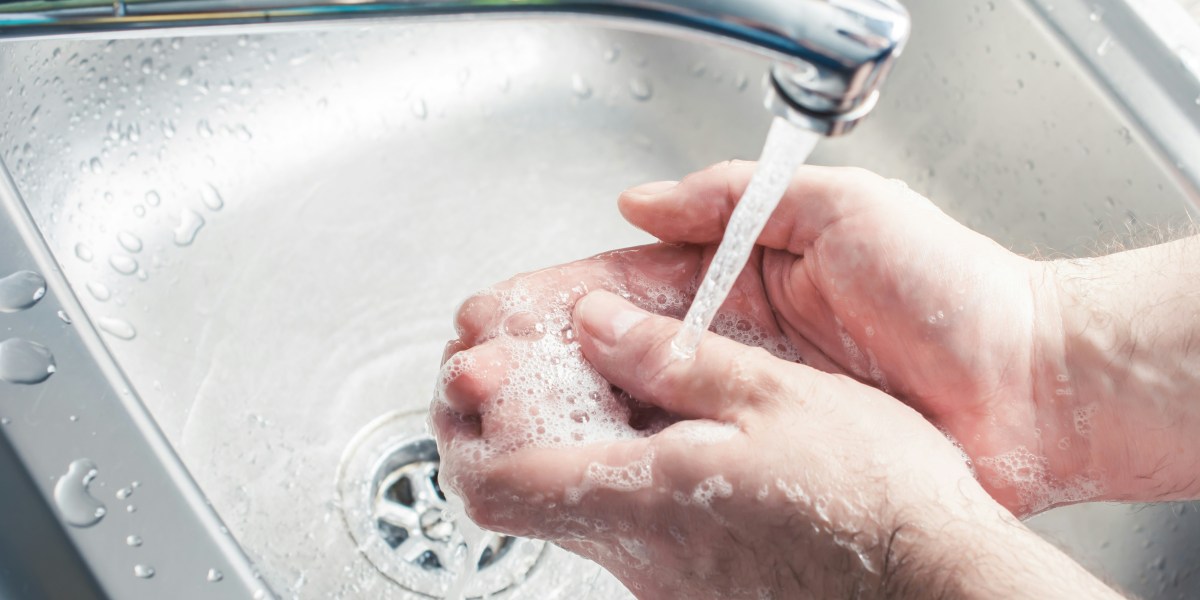

Most people take clean drinking water for granted when they turn on their tap. The quality of the water can vary, however, depending on where a person lives, the age of the water supply infrastructure, and how the water is treated. Although municipal water systems strive to be safe, many people opt for additional filters to improve taste, remove unwanted substances, and provide greater peace of mind.
Understanding Modern Water Filtration
There has been a great advancement in water filtration technology over the last decade. There are now many different kinds of filters available, ranging from pitcher filters to under-sink or whole-house filters. Every filter type caters to a need, so it is crucial to know what you want a filter to do before you buy it.
Chlorine, sediment, heavy metals, volatile organic compounds (VOCs), and other contaminants that can affect water quality are typical targets of modern filters. Some systems can also help reduce undesirable odors and enhance the palatability of drinking water.
Why Filter Design Makes a Difference
When considering water filters, many people focus only on how much filtration they offer, but the physical design is equally important. Installation is easier, takes up less space, and may be more convenient in refrigerators, on counters, or in under-sink cabinets.
Owners seeking effective, compact filtering solutions will consider alternatives such as a skinny filter that fits in smaller spaces while retaining practicality. Nanotech filters are useful in spaces where space is limited, such as apartments, RVs, or kitchen areas.
The correct sizing also makes everyday operation easier, as changing cartridges is more convenient when the system is easily accessible.
Factors to Consider Before Buying
Not all filtration systems will work in a particular house. When buying a water filter, there are a number of important considerations to take into account.
– Water Quality
The first is, of course, to know the status of the local water supply. Common contaminants can be detected by a professional water test or a municipal water quality report and the filter type can be identified.
– Certification
Products with an independent certification give you greater confidence that they will do what they say. There are many water filtration products that are tested to known performance standards by organizations like NSF International.
– Maintenance Requirements
Each filter comes with a recommended replacement time. Failure to follow replacement schedules could affect water quality and reduce filtration effectiveness. Before purchasing a system, buyers should look into the cost and availability of replacement cartridges.
– Flow Rate
Some filtration systems focus on removing contaminants, while others focus on water pressure. The compromise between purity and ease of use will vary according to home use.
Common Types of Water Filters
There are a number of filter technologies available now.
– Activated Carbon Filters
Activated carbon is one of the most popular filtration materials as it is effective at removing chlorine, unpleasant taste, and odors. They can be used in pitchers, faucet attachments or refrigerator water systems.
– Reverse Osmosis Systems
Reverse osmosis systems produce very pure water by pushing it through a specialized membrane that removes most dissolved contaminants. These are very effective, but usually take up more room and require more maintenance.
– Ceramic Filters
Bacteria, sediment, and other particles are physically removed by ceramic filters because they have very small holes. They are popular for use in portable or gravity-flow type filtration systems.
– UV Water Purifiers
UV purification systems use UV rays to neutralize microorganisms, rather than chemicals. Often used in conjunction with other types of filtration for full water treatment.
The Benefits of Filtered Water
There are a number of practical benefits to having a good water filter, other than its ability to make water taste better.
Filtered water can make people feel more inclined to drink more water during the day, as it may have a better flavor and smell. This can help improve drinking water habits and minimize the use of bottled water.
Many homes also value the clean air and pure water that a water filter system supplies. The use of reusable bottles and home filtration systems helps reduce plastic waste, thereby decreasing the number of single-use bottles entering the waste stream.
Furthermore, the quality of filtered water can help with the taste of any coffee, tea, soups or other drinks made at home, without the need to make a big change in lifestyle.
Maintaining Peak Performance
Any filtration system requires proper maintenance. Regular filter replacement according to the manufacturer’s recommendations ensures consistent performance and prevents clogging over time.
External cleaning, leak testing, and proper storage of replacement cartridges all help to extend system life. Homeowners should also check maintenance guidelines regularly, especially in the event of changes in water quality or water usage within the household.
Looking Ahead
Water filtration technology continues to advance, featuring more intelligent monitoring systems, improved filter materials, and smaller designs. Maintenance is also easier and more reliable with newer products, as they have indicators that signal when the cartridges should be replaced.
With increased knowledge of water quality, consumers now have even more choices about which filters to install, where to place them, and how often to maintain them.
End-Note
Choosing the appropriate water filter is not just about specifications. Knowing the water characteristics in the area, selecting the right certified filtration technology, and regular maintenance help to improve water quality and taste. When considering installation, particularly for a more complex setup, it is important to assess options to ensure a reliable installation and a strong return on investment.