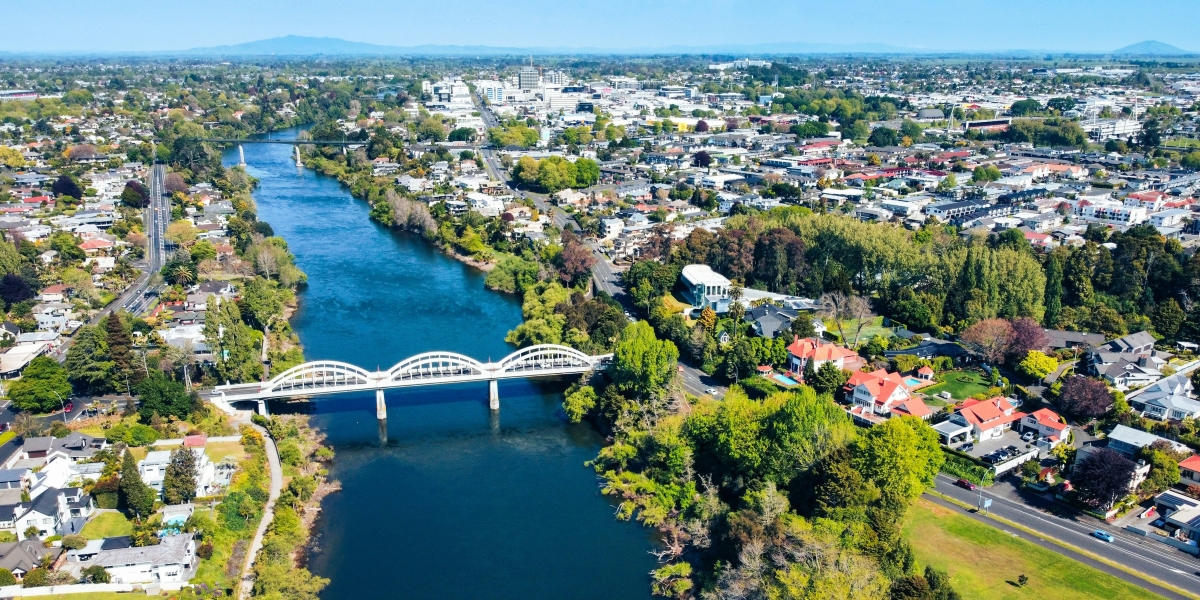

Moving within the Waikato can look straightforward on a map, but the details of your route, property access and moving date can make a significant difference to how smoothly the day runs. Whether you are moving between Hamilton and Cambridge, heading towards the wider rural districts or relocating from one end of the region to another, checking the practical details in advance helps you avoid delays, unexpected costs and last minute complications.
Your Moving Route and Travel Time
Start by reviewing the full route between your current and new properties rather than relying only on the usual driving time. Roadworks, peak traffic around Hamilton and narrower rural roads can all affect how long a moving vehicle takes to reach its destination. If you are comparing Waikato movers and moving company in Hamilton, consider whether the moving arrangements account for your specific route, property locations and likely access conditions.
You should also check whether large moving vehicles can comfortably use the roads leading to both addresses. Rural properties, new housing developments and homes reached through narrow driveways may require additional planning, particularly when turning space or roadside access is limited.
Access at Both Properties
Good access can save considerable time on moving day. Before your move, check how close a moving vehicle can park to each property, whether there are steep driveways, gates, stairs or shared entrances, and whether any access restrictions apply.
For apartments or managed developments, you may need to reserve a loading area or organise lift access in advance. If you are moving to a rural address, check gate widths, overhead branches and the condition of access roads. Providing accurate access information before moving day makes it easier to plan the right equipment and vehicle arrangements.
Weather and Property Conditions
Waikato weather can change quickly, so you should check the forecast as your moving date approaches. Rain can make driveways, lawns and unsealed access roads more difficult for both vehicles and people carrying furniture.
You can also prepare both properties for poor conditions by keeping walkways clear and identifying sheltered areas where belongings can be moved between the house and vehicle. Extra care is particularly important for timber furniture, electronics, artwork and other belongings that can be damaged by prolonged exposure to moisture.
What Needs Special Handling
Not every household item can be treated like an ordinary moving box. Large televisions, mirrors, artwork, pianos, glass furniture and valuable collections may require additional protection or specialist handling.
You should identify these items before packing begins and confirm how they will be transported. For higher-value or fragile belongings, it is also worth reviewing the available shipping insurance or transit protection so you understand what is covered if an item is damaged or lost during the move. Checking these requirements in advance helps you choose suitable packing and handling arrangements before moving day.
Your Moving Day Timing
Your moving date affects more than availability. Consider school hours, work commitments, property settlement arrangements and the time required to complete both loading and unloading.
If you are moving a longer distance across the region, an early start may give you more flexibility if traffic or weather creates delays. You should also make sure someone can provide access to both properties when required. Where keys are being collected from an agent or settlement must occur first, build enough flexibility into your schedule to avoid leaving a loaded vehicle waiting unnecessarily.
Make the Final Checks Before You Leave
A well organised Waikato move comes down to checking the details that are easy to overlook. Confirm your route, access, weather forecast, special handling requirements and timing before moving day arrives. When you understand the conditions at both ends of the journey, you can prepare appropriately and reduce the likelihood of small logistical issues turning into costly or stressful delays.