
By: Lara Silver
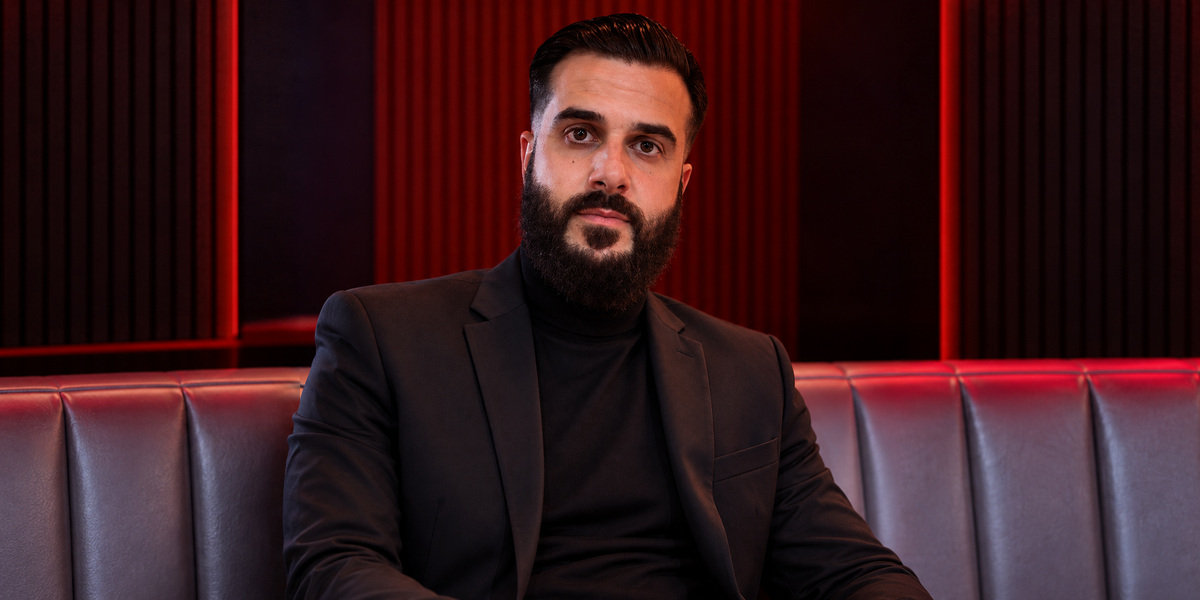
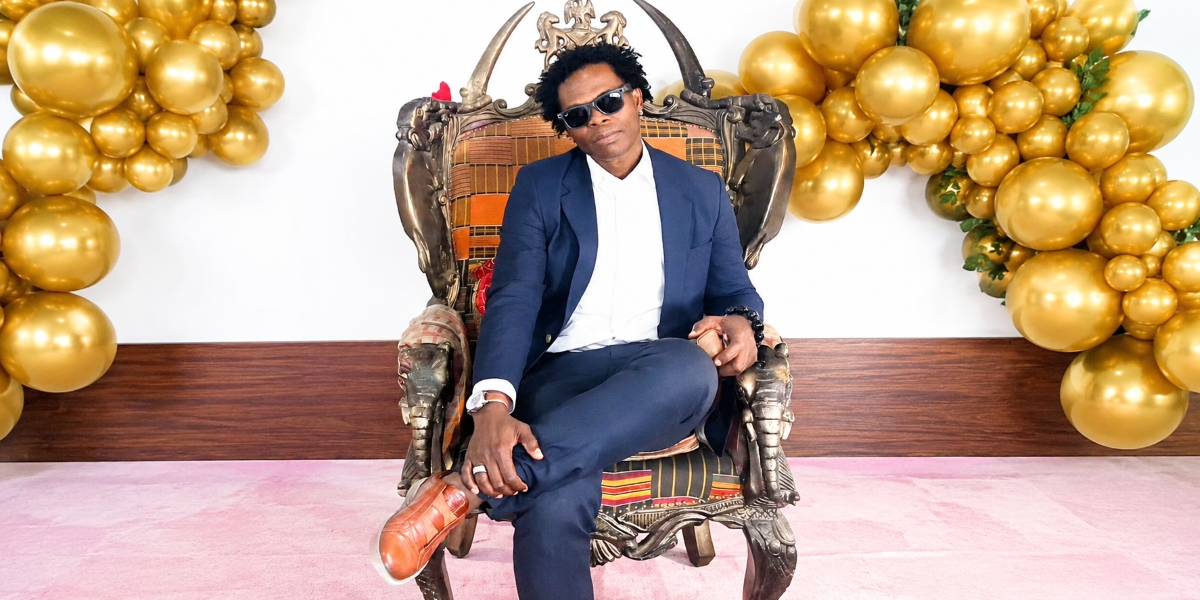
As international fashion events become more complex and interconnected, RunwayDiamonds founder Serge Tagro believes the role of a fashion producer has evolved far beyond organizing runway shows. Today, producers are strategic leaders, relationship builders, and the driving force behind successful international fashion events.
When audiences attend a fashion show, their attention naturally focuses on what unfolds under the lights. They admire the collections, recognize familiar faces in the front row, applaud the designers, and capture photographs of the models as they walk the runway. Very few people stop to consider what happened long before the first guest arrived.
Behind every successful fashion show is a producer responsible for turning dozens of moving parts into one seamless experience. From securing venues and coordinating production teams to managing designers, photographers, media partners, sponsors, and backstage operations, a fashion producer is often the person holding an entire creative ecosystem together.
According to Serge Tagro, founder of RunwayDiamonds, this responsibility has changed dramatically over the last decade.
“People often think a fashion producer simply organizes a runway show,” Tagro says. “In reality, you’re building an environment where hundreds of professionals can succeed together. If the audience only notices the fashion, we’ve done our job well.”
As the global fashion industry continues evolving, the role of an international fashion producer has expanded far beyond logistics. Today’s producers must combine creative direction, business strategy, media relations, partnership development, and leadership while understanding how fashion intersects with entertainment, digital media, and luxury branding.
Fashion Production Is About Building Opportunities
One of the biggest misconceptions about the fashion business is that runway shows exist only to present clothing collections. While showcasing designers remains essential, the most successful fashion events create value for everyone involved.
Designers gain exposure to buyers and media. Models expand their portfolios and meet agencies. Photographers produce editorial work that strengthens their careers. Sponsors connect with highly targeted audiences. Journalists discover compelling stories. Every participant enters the event hoping to leave with something more valuable than when they arrived.
Tagro believes this is where a fashion producer creates the greatest impact.
“My responsibility isn’t only producing an event,” he explains. “It’s creating opportunities that continue after the show ends.”
That philosophy has become one of the defining principles behind RunwayDiamonds, a platform that brings together designers, models, photographers, filmmakers, entrepreneurs, and media professionals through international fashion shows and creative collaborations. Rather than treating each production as a single evening, the organization focuses on building long-term professional relationships that continue developing long after the runway has been dismantled.
Why Leadership Matters More Than Perfection
Producing a successful fashion show requires technical precision, but Tagro believes leadership has become an equally important skill.
Creative industries bring together people with different personalities, artistic visions, and professional expectations. Designers think differently from photographers. Models approach challenges differently from sponsors or production teams. Keeping everyone aligned without limiting creativity requires a leadership style built on trust rather than control.
“I don’t believe creative people perform at their best when every decision is made for them,” Tagro says. “My role is to establish the vision, maintain professional standards, and give talented people the freedom to contribute their own expertise.”
This collaborative approach reflects a broader shift taking place across the fashion industry. As international productions become increasingly multidisciplinary, producers are expected to lead diverse teams while encouraging innovation instead of enforcing rigid hierarchies.
Why Los Angeles Became the Ideal Place to Build RunwayDiamonds
Although cities like Paris, Milan, and London have long defined the global fashion industry, Los Angeles has developed a unique creative identity of its own.
Hollywood has created an environment where fashion naturally overlaps with film, music, photography, luxury branding, and digital media. Costume designers work alongside filmmakers. Editorial photographers collaborate with entertainment companies. Fashion events regularly attract entrepreneurs, influencers, and creative professionals from multiple industries.
For Tagro, this environment shaped the vision behind RunwayDiamonds.
“Los Angeles encourages collaboration,” he says. “People arrive here from around the world to create something new. That energy influences everything we produce.”
Instead of building a traditional runway platform, Tagro focused on creating a creative community capable of connecting professionals across industries. Today, RunwayDiamonds continues developing relationships that extend beyond Southern California toward London, Milan, and other international fashion markets.
International Fashion Requires More Than Beautiful Runways
The modern fashion producer must think globally.
Producing international fashion shows means understanding cultural differences, developing relationships across multiple countries, working with international designers, and maintaining consistent production quality regardless of location.
Expanding into new markets also requires patience.
A reputation built in Los Angeles does not automatically transfer to Europe. Every city has its own fashion community, media landscape, and creative expectations. Successful international growth depends on earning trust market by market rather than assuming previous achievements will speak for themselves.
For Tagro, this represents one of the most rewarding aspects of his profession.
“Every new city teaches you something,” he says. “The goal isn’t to make every event look identical. The goal is to create a platform that respects local culture while maintaining the same professional standards.”
The Future of Fashion Producers
Artificial intelligence, digital marketing, and social media continue transforming how the fashion industry operates. Collections are now discovered online before they appear in magazines. Designers build audiences across continents. Fashion shows generate content viewed millions of times within hours.
Despite these changes, Tagro believes the most valuable part of fashion remains unchanged.
People.
Technology can simplify communication.
It cannot replace trust.
Algorithms can recommend creative professionals.
They cannot build meaningful partnerships.
“The future of fashion belongs to people who know how to connect other people,” Tagro says. “That’s what a producer really does.”
As RunwayDiamonds continues expanding its international presence, that philosophy remains central to its identity. More than producing fashion events, the platform aims to create lasting professional relationships across the global fashion industry, connecting designers, models, photographers, brands, and creative leaders through shared opportunity rather than competition.
For Serge Tagro, that may be the true definition of a modern fashion producer, not someone who simply organizes a runway, but someone who builds the environment where creativity, business, and opportunity come together.