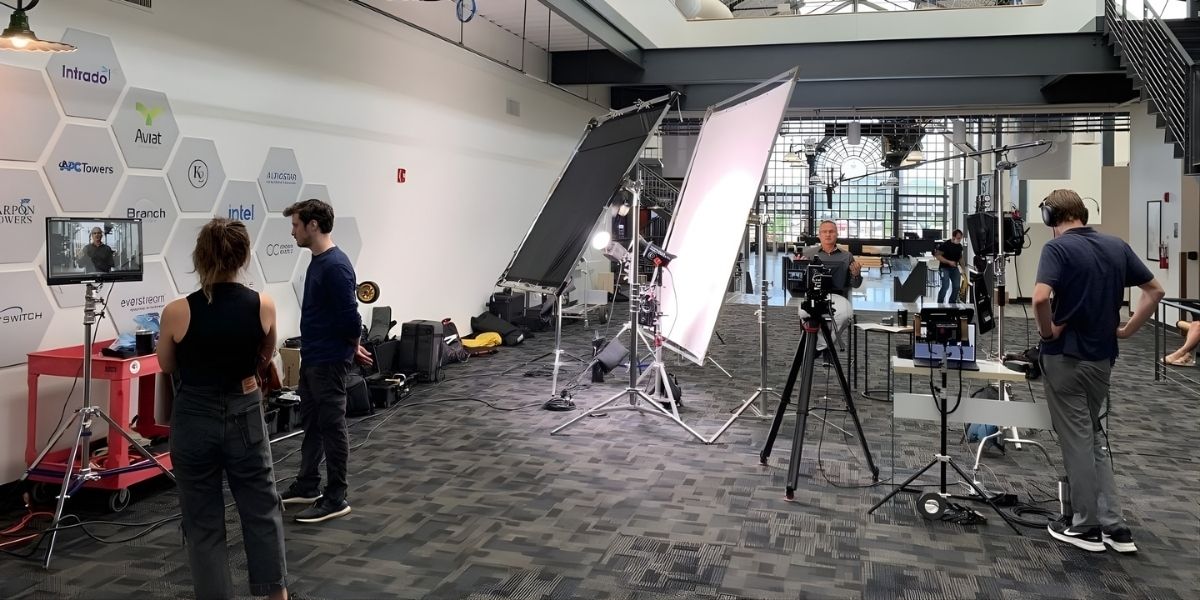


Video has become one of the most talked-about tools in B2B marketing, and for good reason. Demand Gen Report found that 62% of B2B buyers consume three to seven pieces of content before ever speaking to a salesperson, and video has steadily climbed to the top of that content mix. But here’s the thing: many B2B companies are investing in video and still not seeing the results they expected.
The problem usually isn’t the quality of the production. It’s how they’re approaching video in the first place. Here’s what might be getting in the way and how you can adjust your strategy.
Treating Video Like a One-and-Done Tactic
One of the most common mistakes B2B companies make is producing a single brand video, usually for a product launch or a website refresh, and then calling it done. They pour budget into one piece, publish it, and wait for it to perform. When it doesn’t move the needle the way they hoped, they write off the video as ineffective.
The reality is that video works best as a sustained effort, not a one-time campaign. Wyzowl’s 2026 report found that 82% of marketers said video gives them a positive ROI, but those same marketers were publishing video consistently, not sporadically. The companies succeeding with B2B video are treating it like a content channel, with a regular cadence of assets serving different stages of the buyer journey.
Think about it from the buyer’s perspective. They’re researching categories for weeks, sometimes months. One video might not be enough to follow them through that process, but a library of thoughtful content could be.
Leading With the Product Instead of the Problem
B2B buyers don’t wake up excited about your software, your platform, or your service. They wake up stressed about a problem they need to solve. When companies lead their video content with product features and specs, they’re skipping straight to the answer without acknowledging the question.
The videos that tend to resonate in B2B, the ones that get shared in Slack channels and bookmarked for later, are the ones that articulate a problem so well that viewers feel genuinely understood. Customer testimonial videos are a perfect example. When done right, they’re not about your company at all. They’re about a customer’s journey from frustration to resolution. Your product just happens to be part of that story.
This is a shift in mindset from “what do we want to say?” to “what does our buyer likely need to hear?” It changes everything about how a video is scripted, shot, and edited.
Skipping Strategy and Going Straight to Production
A lot of B2B companies come to a video shoot with a general idea and a tight deadline, but no real strategy behind what they’re making or why. They know they need video because leadership said so or a competitor just launched a great one, but they haven’t answered the foundational questions: Who is this for? Where will they watch it? What do we want them to do afterward?
Tim Hull, a producer for a full-service Denver video production company, puts it plainly: “The brands that tend to get the most from their video investment are the ones who show up to pre-production with a clear picture of their audience and a defined goal for each piece of content. When that foundation isn’t there, even a beautifully produced video may end up sitting on a website page with very few views.”
Strategy doesn’t have to be complicated. It starts with knowing which stage of the funnel you’re targeting, what action you want viewers to take, and where the video will actually live. Those answers shape everything from length and tone to format and how the content is framed.
Ignoring Distribution After the Shoot
Production gets all the attention. Distribution gets almost none. This is a significant problem because even great video content can fail when it’s published without a plan to actually get it in front of people.
B2B companies often upload a video to YouTube, embed it on a landing page, and post it once on LinkedIn. Then they’re surprised when it underperforms. The videos that tend to rack up meaningful views and drive real pipeline activity are being actively distributed through email sequences, paid social, sales enablement decks, retargeting campaigns, and direct outreach.
LinkedIn alone tends to favor native video uploads over links to external platforms, meaning the same video posted natively on LinkedIn will typically reach more people than a YouTube link shared in a post. These distribution nuances matter, and most B2B teams don’t always pay attention to them.
Measuring the Wrong Things
View counts feel satisfying, but they rarely tell you what you actually need to know. A video with 10,000 views that no one watches past the first 15 seconds performs worse than a video with 800 views and a 70% completion rate. In B2B, where your audience is smaller and more targeted, depth of engagement matters far more than raw reach.
The metrics worth tracking depend on the video’s goal. For top-of-funnel awareness content, watch time and click-through rate matter. For mid-funnel content like demos and case studies, track completion rates and what viewers do after watching. For sales enablement videos, track opens, replays, and whether they correlated with deals moving forward.
When B2B companies start connecting video metrics to pipeline outcomes rather than vanity numbers, their entire approach to content can shift. They make smarter decisions about what to produce, how to distribute it, and where to invest next.
Planning the Path to Success
Video is one of the most powerful tools available to B2B marketers right now, but it only works when it’s treated with the same strategic rigor as any other marketing channel. That means committing to a consistent content plan, putting your buyer’s perspective at the center, building distribution into the process from day one, and measuring what actually matters.
The good news is that once these fundamentals are in place, video compounds over time. Each piece of content adds to a library that works for you around the clock — educating prospects, building trust, and shortening the sales cycle in ways that are hard to replicate with any other format. Video has become one of the most talked-about tools in B2B marketing, and for good reason. Demand Gen Report found that 62% of B2B buyers consume three to seven pieces of content before ever speaking to a salesperson, and video has steadily climbed to the top of that content mix. But here’s the thing: many B2B companies are investing in video and still not seeing the results they expected.
The problem usually isn’t the quality of the production. It’s how they’re approaching video in the first place. Here’s what might be getting in the way and how you can adjust your strategy.