
There is a particular hush when a worker opens a payslip. For some, it arrives in the flicker of a phone screen at the end of a long shift; for others, it is a paper envelope tucked into a locker. Behind every figure – overtime rates, penalty pay, allowances – are the hours a body has carried boxes, poured drinks, or waited tables long after midnight. In Australia, those numbers have not always told the full story. Over the past decade, wage underpayment has settled over the economy like an invisible tax on the most vulnerable, draining hundreds of millions of dollars from the very people who keep its engines turning.
These are not isolated mistakes. They are the predictable result of a system whose modern awards are layered with complexity and whose oversight has too often lagged behind reality. The Fair Work Ombudsman recovered more than half a billion Australian dollars in unpaid wages in a single year – evidence of how far the gap between labour and recompense can stretch. For workers, each missed dollar is a quiet betrayal; for employers, each underpayment a marker of risk and reputational damage.
Technology as a Moral Imperative
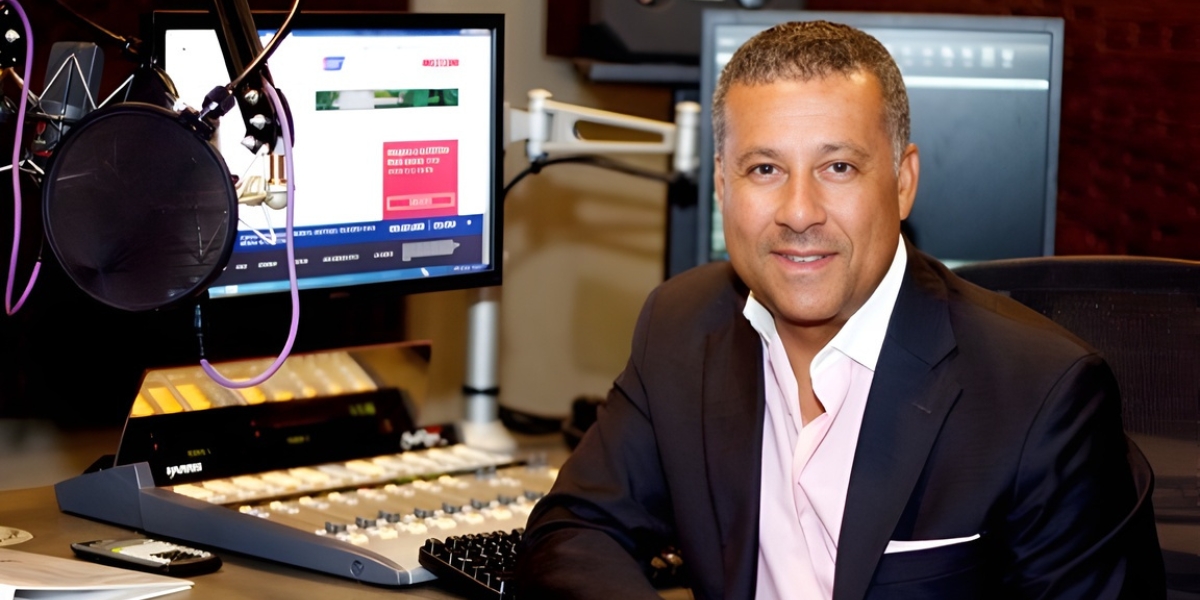
Given that reality, WageSafe comes as a necessary wake-up call. Its founders spent years working through the complexities of employment compliance and set out to build something different: a platform that checks wages as they’re paid. The technology is a steady engine of code that translates Australia’s maze of industrial awards into live calculations. Yet behind that plain surface lies a straightforward principle: people should be paid what they’ve earned, when they’ve earned it.
The scale of its operations is already striking. WageSafe has processed billions of dollars in payroll and examined more than one million employee wage records. These numbers, while impressive, are not merely signs of commercial success. They are proof that the market has begun to reckon with the ethical cost of delayed or inaccurate pay.
“Our system checks wages as they are processed so discrepancies can be addressed before money moves,” says Mark Jenkins, the company’s chief executive. The statement carries the weight of quiet accountability: it is not enough to apologise after the fact; the work must be right from the start.
The Stakes of Payroll Integrity
To speak of payroll integrity is to speak of trust. Employers hold not only the hours of their staff but their rent payments, grocery bills, and school fees. When that trust is broken, the damage radiates far beyond any single payslip. With the introduction of the federal Closing the Loopholes Bill in 2024/2025, intentional underpayment of wages is now a criminal offence across Australia—a recognition that underpayment is not a technical oversight but a violation of the social contract.
Analysts value Australia’s payroll and HR services sector at roughly 1.7 billion Australian dollars in 2024, with demand for automated compliance tools growing at up to 12 percent a year. WageSafe’s competitors are expanding their offerings, an acknowledgement that the old cadence of annual audits is no longer defensible. “Annual reviews still have a role, but they can no longer be the sole safeguard,” Jenkins notes. “Real-time monitoring gives companies the chance to correct errors before they harm people’s livelihoods.”
This signals an emerging consensus that the right to accurate pay is as immediate as the labour that earns it.
Building Trust in the Shadow of Data
Continuous auditing relies on accurate payroll information and must be handled carefully. WageSafe subjects its systems to independent security reviews and uses encryption to protect sensitive records, acknowledging that trust is not only about money but also about privacy.
Jenkins concedes that protecting employee information is as critical as preventing wage errors. In this, technology companies carry a dual burden: to make the invisible visible while keeping the intimate secure.
Toward a Culture of Payroll Accountability
WageSafe’s rapid growth is not just a story of market timing. It is a reflection of a deeper cultural reckoning. When the mechanisms of pay are transparent and immediate, the quiet weight of the payslip begins to lift. Workers can read their wages without suspicion; employers can meet their obligations without fear of discovery months later.
The company’s rise suggests that the future of payroll integrity will be defined not by apologies after harm but by the prevention of harm itself. In a society where every hour of labour should carry its full value, technology becomes a means of truth-telling. The figures on that screen or in that envelope are no longer guesses, but promises kept.