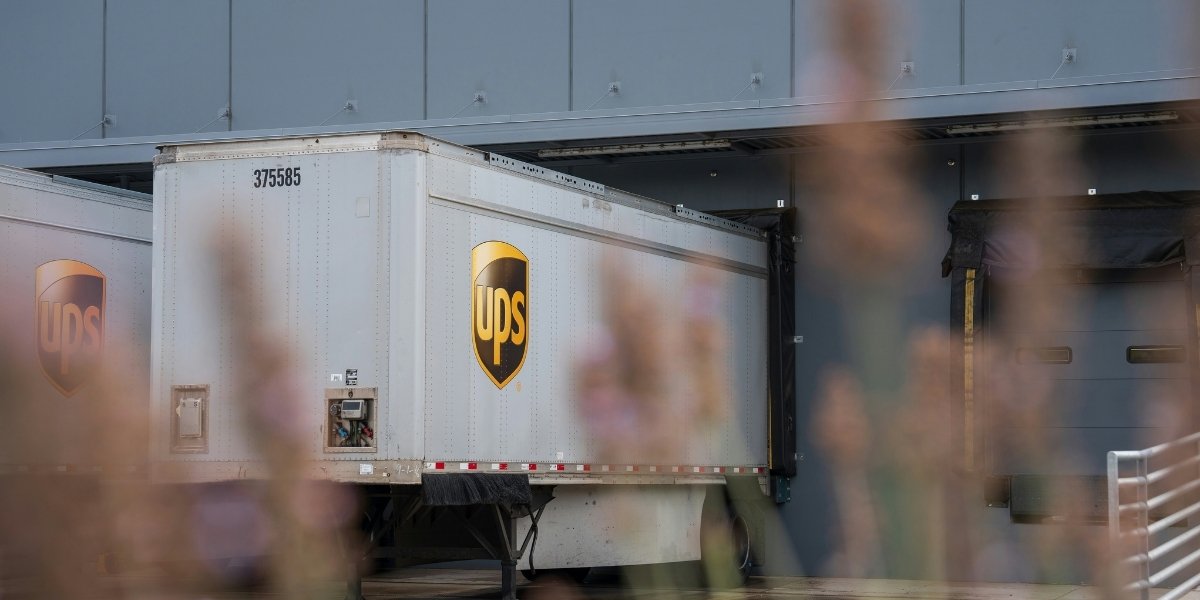

UPS has confirmed a significant restructuring plan that will eliminate up to 30,000 operational roles in 2026. This decision comes as the company pivots away from handling Amazon shipments, marking a dramatic shift in its logistics operations. As Amazon continues to build out its own delivery network, the volume of packages flowing through UPS has decreased significantly. The job cuts will primarily affect operational roles, including drivers and facility staff.
The company has indicated that much of the workforce reduction will occur through attrition and voluntary separation programs, with a focus on minimizing immediate layoffs. However, the changes are still expected to cause significant disruption for employees. Additionally, UPS has confirmed it will close 24 facilities in the first half of 2026, with the potential for more closures as the year progresses. This restructuring effort is part of the company’s broader strategy to streamline operations and reduce costs.
Impact of Amazon’s Growing Logistics Network
Amazon’s push to expand its own logistics network has forced UPS to rethink its operational model. Over the years, Amazon had become one of UPS’s largest customers, but the e-commerce giant has gradually shifted its business away from third-party carriers. By mid-2026, UPS expects its volume of Amazon packages to be cut by more than half compared to 2024 levels.
This decline in volume is part of Amazon’s strategy to control more of its delivery network and reduce its dependence on UPS and other external carriers. As Amazon builds its own fleet of delivery vehicles and recruits drivers, it has effectively taken business away from UPS, leading to a shift in the competitive landscape of the logistics industry.
UPS is responding by focusing on higher-margin deliveries, shifting its business model to prioritize more profitable shipments. This approach is expected to improve profitability over time, although it will require significant adjustments to its operations. For example, UPS has estimated that the decline in Amazon volume will reduce operational hours by 25 million in 2026 alone.
Financial Context and Market Reaction
UPS reported a decline in its fourth-quarter 2025 revenue, totaling $24.5 billion, a 3.2% decrease compared to the previous year. Despite the revenue decline, UPS’s restructuring plan, including the job cuts and facility closures, is viewed as a strategic move to stabilize profitability in the long run.
Investor sentiment has generally been positive following the announcement, with UPS shares experiencing an uptick. Analysts have noted that the company’s shift to higher-margin shipments could enhance its financial outlook moving forward. Investors appear to be optimistic about the long-term benefits of the restructuring, even as the company grapples with the immediate challenges of cutting jobs and closing facilities.
UPS’s leadership has emphasized that the company’s focus on efficiency, coupled with the reduction of lower-margin deliveries, will help the company weather the current financial challenges and remain competitive in the rapidly evolving logistics market.
Workforce Restructuring and Job Cuts
The planned 30,000 job cuts come on the heels of a major workforce reduction in 2025, when UPS cut 48,000 positions. The ongoing layoffs reflect the company’s attempt to streamline operations and adapt to a rapidly changing logistics environment.
While the company is relying heavily on attrition and voluntary separations to manage the workforce reductions, the impact on employees and local communities is significant. Labor unions have expressed concerns about the scale of the job cuts and the potential economic impact on the regions where UPS operates. In some areas, UPS is a major employer, and the closure of facilities could affect local economies, particularly in small towns where jobs at UPS facilities have traditionally been stable.
The company has committed to providing support programs for displaced workers, though details of these programs remain limited. UPS’s leadership has emphasized its commitment to helping workers transition into new roles, but the long-term impact on employment in these communities remains to be seen.
Industry Shifts and Competitive Landscape
UPS’s restructuring plan reflects broader changes within the logistics industry. As e-commerce giants like Amazon continue to expand their own delivery networks, traditional carriers like UPS are finding it increasingly difficult to maintain their share of the market. The shift away from low-margin Amazon packages is forcing UPS to look for alternative sources of revenue and explore new business models that prioritize profitability over volume.
The restructuring is expected to give competitors, such as FedEx, an opportunity to capture market share in areas where UPS has historically dominated. FedEx, in particular, has already taken steps to increase its presence in the e-commerce delivery market, which could further intensify the competition in the years ahead.
Regional carriers may also find opportunities to expand their share of the market as large companies like UPS focus on restructuring. Smaller carriers can potentially capitalize on UPS’s reduced footprint in certain areas, offering more agile services to meet consumer demand.
UPS’s Restructuring and What It Means for the Industry
The 30,000 job cuts at UPS signal a major turning point for the logistics giant. As the company shifts its focus from low-margin Amazon shipments to higher-margin deliveries, it is reshaping its operations and workforce to ensure long-term profitability. While these changes may streamline UPS’s operations, the immediate impact on its employees and local communities will be felt for some time.
As the logistics industry continues to evolve, UPS’s ability to adapt to these changes will be crucial. With competitors like FedEx and smaller regional carriers poised to seize opportunities, UPS must ensure that its restructuring plan successfully positions it for future growth. The company’s shift in focus could redefine the logistics landscape, signaling a new era of e-commerce deliveries and competitive dynamics.