

By: Mae Cornes
Tyler MacDonald built his construction business one decision at a time, starting with a simple premise in 2010: focus on quality work and let growth follow naturally. Fifteen years later, that approach has changed T Mac Builders from a one-person operation into a multi-service contractor serving communities along the Pennsylvania-New Jersey border, implementing technology that many regional firms still consider too experimental for widespread adoption.
Building a Business on Precision and Technology
MacDonald founded T Mac Builders in Bangor, Pennsylvania, in 2010, formally incorporating the company as a Limited Liability Company in 2017. The firm experienced significant growth over several years, expanding from residential projects to include commercial construction, comprehensive renovations, and specialized installations across the region. The company now serves Bangor, Easton, Belvidere, and surrounding communities with a complete design-build model that integrates architectural planning with construction execution.
The transition from sole proprietorship to a structured business entity enabled MacDonald to scale operations systematically, adding workforce capacity while investing in technology that differentiates T Mac Builders from competitors. The company has adopted virtual reality systems for pre-construction client walkthroughs, enabling customers to experience spatial layouts and design elements before physical work commences. This technology addresses common industry challenges around expectation management and costly design modifications during active construction phases.
MacDonald structured the firm to handle projects from initial conceptualization through final inspection coordination, offering custom home construction, renovation services, trim work, and tile roofing. The emphasis on design-build capabilities positions T Mac Builders to manage project complexity while maintaining direct communication channels with clients throughout the construction process. The company’s technology investments and service integration led to recognition with a 2025 Global Recognition Award for growth and market presence in Pennsylvania’s construction sector.
Managing Growth in Regional Markets
The construction industry throughout Pennsylvania has experienced uneven development, with larger metropolitan areas attracting significant investment while rural and suburban markets remain underserved by technology-forward contractors. MacDonald identified this gap and positioned T Mac Builders to serve clients seeking modern design tools and comprehensive project management in smaller communities. The company’s growth helped the implementation of selective hiring practices, focusing on skilled workers who could adapt to technology-enhanced workflows and quality-focused delivery methods.
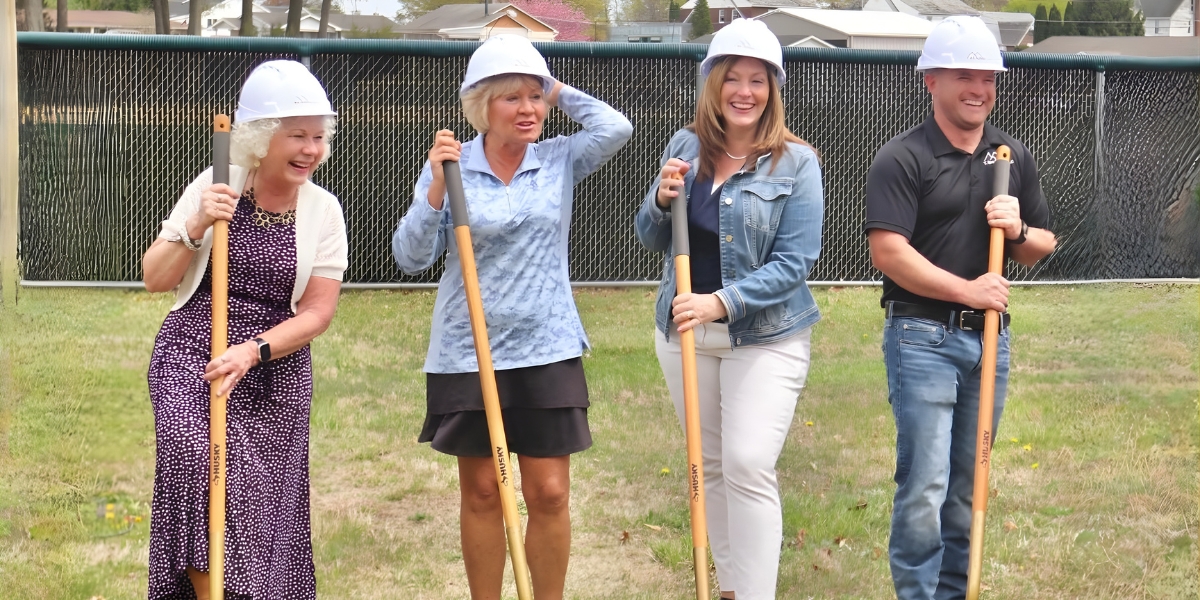
The financial capacity generated through expansion allowed MacDonald to fund community engagement initiatives, including participation in local park projects and housing developments within the Bangor area. The company maintains that business growth has created revenue streams supporting multiple community investment channels, although specific financial commitments were not detailed in the available documentation. The service model emphasizes long-term client relationships and the generation of repeat business, relying on project quality to drive referrals and sustain a strong market presence.
T Mac Builders operates within a construction environment where technology adoption remains inconsistent, with many firms hesitating to invest in virtual reality systems or comprehensive design software due to cost concerns and learning curves. The company’s willingness to integrate these tools reflects MacDonald’s assessment that client expectations are evolving, particularly among customers who want greater visualization capabilities before committing to significant construction expenditures. The design-build approach consolidates decision-making and reduces coordination delays that frequently complicate projects involving separate architectural and construction teams.
Technology Adoption in Traditional Industries
Virtual reality technology in construction enables stakeholders to walk through building models before ground is broken, providing a tangible understanding of scale, spatial relationships, and design elements that two-dimensional plans cannot convey. T Mac Builders implemented this technology as a client engagement tool, utilizing virtual walkthroughs to facilitate design discussions and identify potential modifications early in the project timeline. The approach reduces costly change orders during construction and helps align client expectations with deliverable outcomes.
The construction sector has historically been slower than other industries to adopt emerging technologies, with factors such as high initial costs, training requirements, and resistance to changing established workflows contributing to conservative adoption strategies for new technologies. MacDonald’s decision to invest in virtual reality systems and design-build integration represents a calculated risk that requires ongoing investment in training and client education to realize operational benefits. The company positions these capabilities as competitive differentiators in markets where many contractors rely on traditional blueprints and static renderings.
The regional construction market that T Mac Builders serves encompasses residential customers seeking custom homes and renovations, as well as commercial clients requiring specialized construction services. MacDonald’s strategy focuses on delivering quality and utilizing technology-enhanced planning, rather than competing primarily on price. This positioning requires consistent execution to maintain client satisfaction and a strong market reputation. As the company continues to operate in cross-border communities along the Pennsylvania-New Jersey line, sustained attention to project quality and customer communication remains essential for defending its market position against established competitors and new entrants seeking to replicate technology-driven service models.