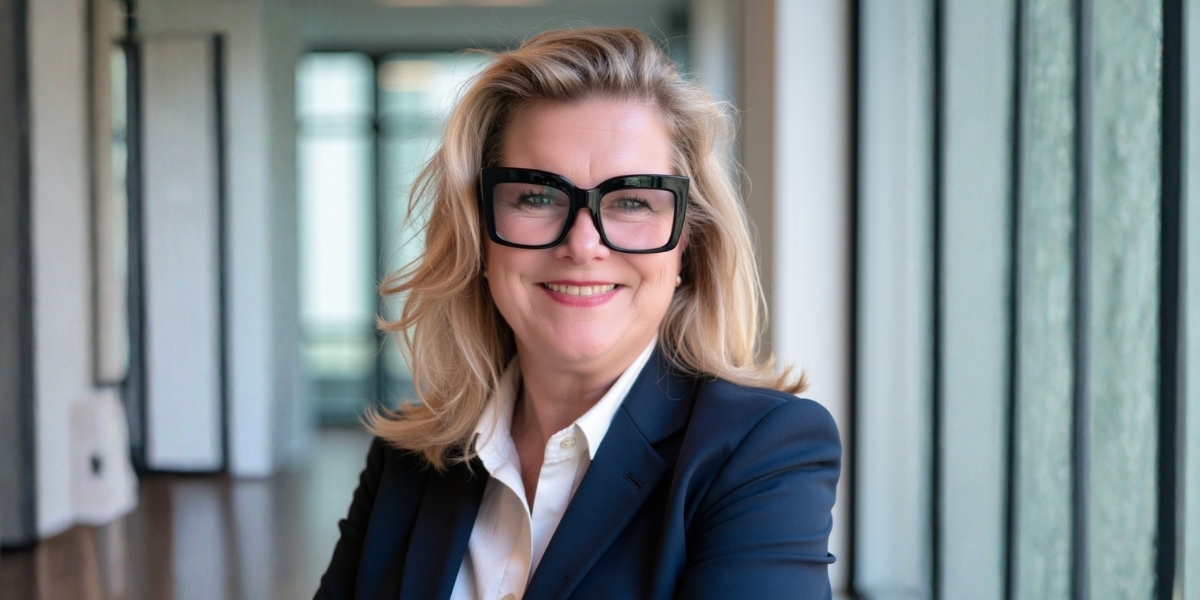

By Natalie Johnson
Artificial intelligence (AI) has made it easier than ever to produce content to increase visibility. As professional fields become more saturated, standing out has become significantly more difficult. For Torund Bryhn, Founder of Public Figure Agency, the differentiator is who can communicate something that cannot be replicated.
“Trying to become authentic is not what you want to do. You want to be authentic,” she says. “The only thing that AI cannot compete with is context and who you are as a person.” Bryhn sees visibility as a process of revealing the qualities that already exist beneath years of professional conditioning. The challenge, she argues, is identifying which parts of yourself are worth sharing and how those qualities reinforce your expertise.
Why Authentic Differentiation Beats Visibility
Many senior leaders built successful careers in environments where professionalism meant minimizing personality through corporate language, but that’s changing. “You can’t perform authenticity. You have to be authentic. The biggest obstacle to senior leaders’ authenticity is the roles they have been taught to play are no longer valid,” Bryhn says, who believes leaders need to become intentional about what they reveal publicly.
The goal is executive positioning that reflects genuine values while reinforcing credibility. What earns trust is not carefully manufactured relatability, but a consistent connection between someone’s expertise, experiences, and perspective. In crowded fields, authentic differentiation creates recognition that polished messaging alone cannot.
Building Substance Before the Story
Reputation building should always precede storytelling. “When a reputation needed fixing, we didn’t just manage the message. Visibility without substance may generate attention, but it doesn’t guarantee lasting influence. Her own career has reinforced this perspective. Having worked across politics, entertainment, nonprofits, international organizations, and corporate leadership, Bryhn has repeatedly observed that strategic storytelling succeeds when it is supported by meaningful work rather than replacing it. “We built the real substance first,” she says. “When a leader wanted international standing, we built the platforms, the books, and the body of work first. By the time the stories went out, the world was already ready to listen.” Instead of chasing trends or producing content for the sake of consistency, the focus shifts toward developing original ideas, frameworks, and contributions that audiences genuinely value.
Thinking Like a Media Company
As AI reshapes search and discovery, Bryhn believes professionals must rethink how they establish authority. Every leader now operates as their own media ecosystem. “We are all media conglomerates right now,” she says. “Your phone is Viacom.” Bryhn advocates for a structured approach built around three pillars: owned platforms, earned media, and carefully selected social channels. A personal website serves as digital real estate, providing a permanent home for ideas and expertise. Earned media builds credibility because recognition comes from trusted third parties rather than self-promotion. Social platforms become strategic outposts rather than the center of one’s communications strategy.
“You don’t have to be everywhere,” Bryhn says. “Your real estate is the most important thing.” This framework also reflects how trust increasingly develops. AI can summarize information and generate content, but it cannot replace external validation or human judgment. People continue to rely on recommendations, respected publications, and professional communities when deciding whom to trust.
The Future of Reputation Building Is Human
As algorithms become more sophisticated, Bryhn believes credibility will depend less on producing more content and more on making meaningful contributions within professional communities. “It’s not just digital anymore,” she says. “You have to be analog, and you have to be digital.” That means participating in industry associations, contributing original ideas, mentoring others, speaking at events, and building relationships that extend beyond online platforms. Influence becomes something earned through sustained participation rather than accumulated through follower counts.
It also requires accepting that reputation building is increasingly collaborative. AI may become part of the workflow, but so do advisors, communications specialists, editors, and trusted advocates who strengthen both strategy and execution. Ultimately, authentic differentiation is about creating a reputation that reflects genuine expertise and lasting value. As professional fields become increasingly crowded, the leaders who endure will not necessarily be the loudest or most visible. They will be the ones whose substance, perspective, and contributions make them impossible to confuse with anyone else.
For more insights, follow Torund Bryhn on LinkedIn or visit her website.