

The ability to adapt in times of change is often considered a crucial skill—whether in business, art, or life. Shifting economies, evolving industries, and personal reinvention frequently go hand in hand. Nowhere is this potentially more evident than in the story of musicians who navigate historical transitions while staying true to their craft.
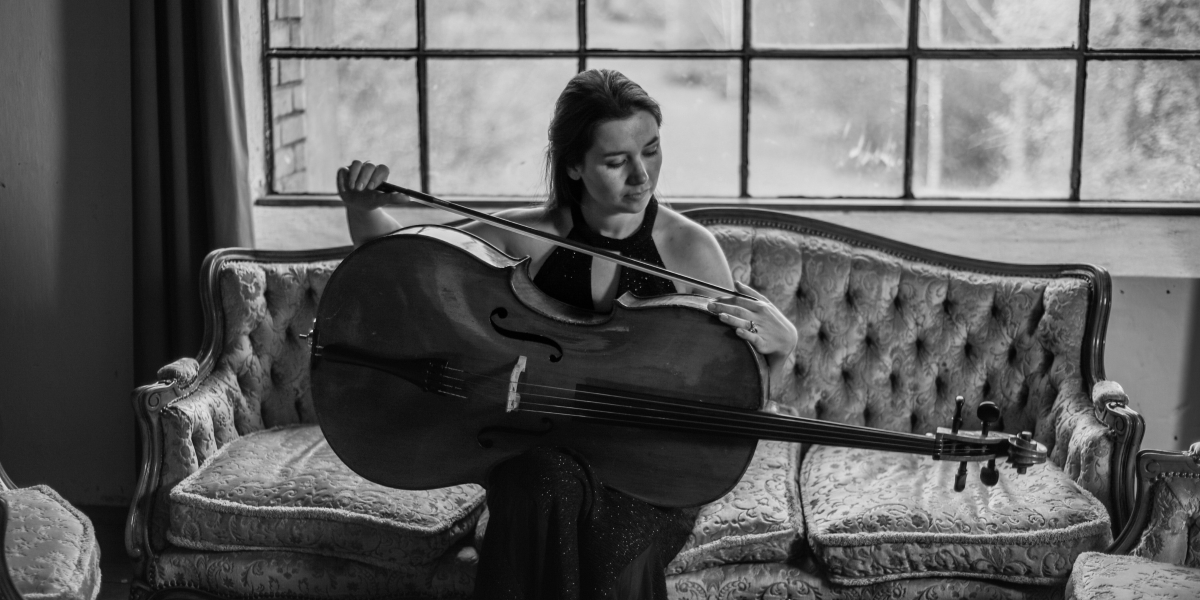
For Louise Thiele, music is more than an art—it can embody perseverance. Born in East Germany just two years before the fall of the Berlin Wall, the cellist grew up in a world undergoing seismic shifts. The collapse of the German Democratic Republic (GDR) meant not only political change but also economic upheaval, often forcing families to adapt overnight.
Thiele’s journey illustrates the power of creativity in uncertain times—potentially transforming personal and collective struggles into artistic strength. Her story offers a fresh perspective on reinvention, adaptability, and the intersection of culture and business in a rapidly changing world.
Economic Disparities and Family Struggles Post-Reunification
After reunification, East German families often faced significant economic upheaval. The GDR had operated under a planned economy, devoid of free-market mechanisms or private enterprises in the modern sense. The introduction of capitalism brought both opportunities and risks, but many citizens reportedly lacked the financial literacy to navigate the new system.
During this time, Louise Thiele’s family encountered numerous financial challenges. Her father, a self-employed interior decorator, initially took advantage of new opportunities but made speculative investments in cars, horses, and the growing stock market. With limited financial knowledge and often less-than-ideal advice, these investments reportedly didn’t pan out as hoped. Similarly, her grandfather faced difficulties when he invested in stocks without fully understanding how the market could fluctuate. These experiences appear to have been common for many families from former East Germany during this period.
The financial instability often led to tensions within households. Thiele recalls frequent arguments at home over money, a scenario reportedly not uncommon in families facing economic uncertainty. For children, such as Thiele and her brother, this environment created a backdrop of unpredictability, likely shaping their early experiences of family life.
Socialist Ideologies and Their Residual Impact
Although Thiele only lived in the GDR during its final years, the influence of socialist policies and ideologies seems to have persisted well into her childhood. The GDR’s emphasis on collective equality was accompanied by material scarcity. Families often faced long waits for basic goods, including cars and certain foods, considered luxuries. Thiele’s parents and grandparents frequently recounted these challenges, which appear to have shaped their priorities and aspirations in the post-socialist era.
The socialist regime’s focus on conformity and collective goals often overshadowed individual ambitions. Thiele notes that this mindset influenced her family’s approach to education and career choices. Her mother, for instance, strongly supported Thiele’s musical training, viewing it as an opportunity to achieve goals that had been unattainable during the GDR era. This emphasis on achievement, while opening doors, also seems to have placed significant pressure on Thiele to excel in her craft.
Educational and workplace expectations further reflected the GDR’s legacy. Many families, including Thiele’s, reportedly grappled with a transition from the highly regulated structures of the socialist system to the flexible but unpredictable demands of a capitalist economy. This shift likely required a redefinition of work-life balance, personal priorities, and the role of women in the workforce.
Adapting to Change: Music as Strength and Resilience
The reunification period brought uncertainty, but it also appears to have cultivated resilience—both individually and within communities. Louise Thiele remembers the close-knit nature of her neighborhood, where families leaned on one another for support. This sense of solidarity, a remnant of the GDR era, seems to have provided stability in an otherwise unpredictable time. Yet for Thiele, it was music that became her true anchor, offering both structure and an outlet for self-expression.
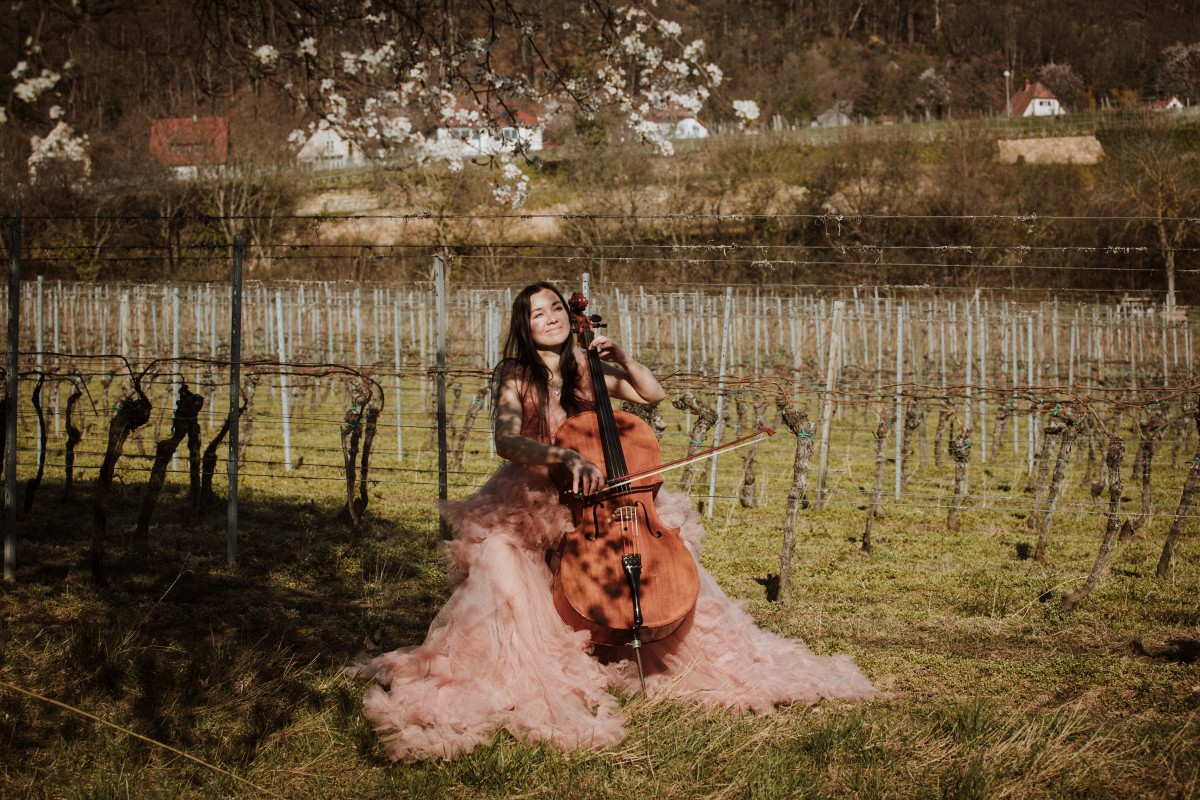
Amid systemic and familial struggles, her passion for music flourished. Playing the cello was not just a skill—it became a means of making sense of the world around her. Music gave her a voice in an environment where emotions were often left unspoken. The discipline of practice instilled in her a deep sense of perseverance, teaching her that talent alone was rarely enough; success typically required relentless dedication.
Despite financial hardships, her father encouraged his children to explore their creative interests, reinforcing the idea that art was more than a luxury—it was a necessity. Thiele’s ability to adapt, to turn struggle into artistry, reflects the broader resilience of East German families during this era. Today, her music carries the echoes of those formative years, embodying both the challenges and the strength that shaped her journey.
Unspoken Challenges: Emotional and Psychological Struggles
While the economic and social challenges of reunification are well-documented, the emotional toll on families is often less frequently discussed. Louise Thiele recalls that, growing up, there was little open dialogue about mental health or personal struggles. In the collective mindset of the GDR, resilience was expected, and emotional difficulties were often left unspoken. This emotional distance appears to have shaped many familial relationships, creating a silent burden that children, including Thiele, had to navigate.
For many East German families, psychological support was not readily available or culturally accepted. Personal hardships were often dismissed as insignificant compared to the larger societal upheavals. Thiele, however, found an outlet in music. The discipline required to master the cello provided structure and purpose, helping her process unspoken emotions. While some may see her success today as a product of talent alone, she emphasizes that her achievements came through relentless effort. “Not everything fell into my lap—I had to work hard for it,” she shares. The struggles of her upbringing seem to have instilled in her a deep sense of perseverance—one that continues to shape her artistic and professional journey.
The transition from the GDR’s socialist regime to a unified Germany brought profound changes, forcing families to adapt to an entirely new system. Thiele’s reflections highlight not just the economic and social adjustments, but the personal battles waged in silence. Her story is a testament to the power of art as a means of resilience, growth, and self-expression. In a world that often romanticizes talent, she reminds us that behind every artist’s success lies a story of perseverance, shaped by the challenges they’ve overcome.
This exploration of post-reunification East Germany offers a nuanced perspective on a society in transition—one where adversity often shaped character, and where music became both a refuge and a driving force for personal strength.
Published by Mark V.