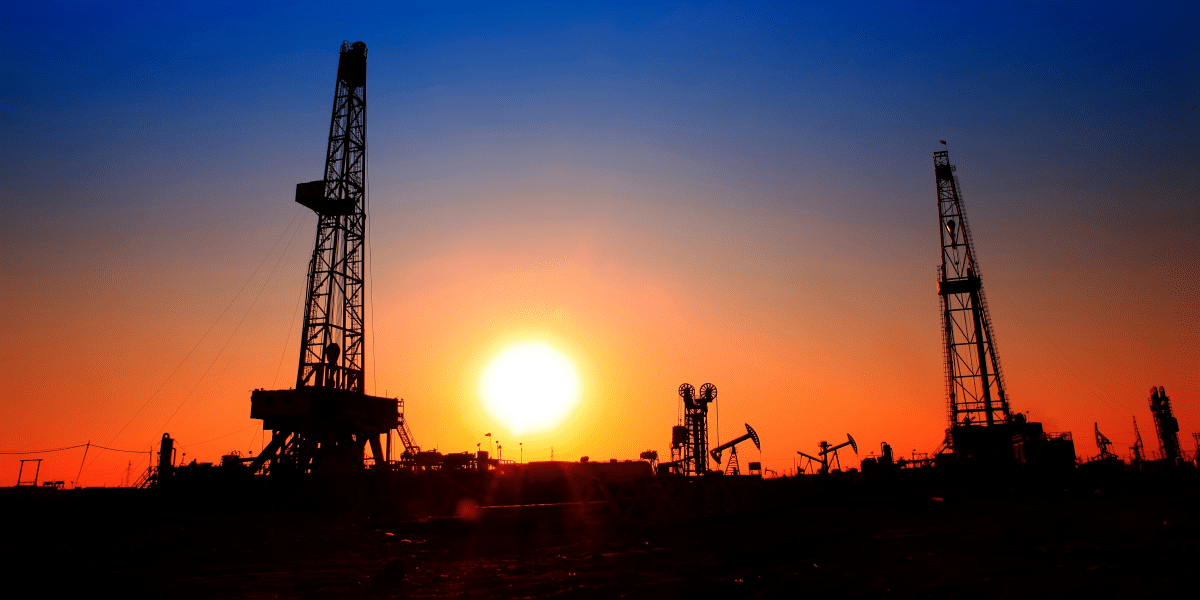


In Australia, technology is transforming the oil and gas industry by optimizing the energy supply chain. Companies such as Go Petrolink use AI to improve operational efficiency and predictive maintenance, which helps minimize downtime and reduce costs. Big data analytics offer real-time insights that support informed decision-making and enhance resource allocation, while IoT applications facilitate remote monitoring and automation, increasing both productivity and safety. These innovations tackle issues like aging infrastructure and market volatility, fostering sustainability and regulatory compliance. By embracing these technologies, companies can better adapt to changing regulations and consumer expectations.
Current Challenges in the Industry
The oil and gas industry faces significant challenges impacting its energy supply chain. These challenges include market volatility, regulatory pressures, workforce shortages, and aging infrastructure. Price fluctuations complicate revenue predictions, while the need to meet environmental standards requires ongoing adjustments. A shortage of skilled labor affects productivity, and inadequate transport networks can disrupt supply chains, especially given geopolitical risks that might lead to sudden supply shortages. Increasing scrutiny of environmental impacts is driving companies to implement more sustainable practices. While technological advancements can improve efficiency and reduce emissions, innovation needs to keep pace with the industry’s demands. Addressing these challenges is crucial for stabilizing and optimizing the energy supply chain.
Role of Artificial Intelligence
Integrating artificial intelligence (AI) into the oil and gas industry offers significant opportunities to enhance the efficiency of the energy supply chain. AI algorithms improve operational efficiency and streamline supply chain management, while machine learning supports predictive maintenance to anticipate equipment failures and reduce downtime. Furthermore, AI is vital for risk assessment, as it analyzes large datasets to identify potential hazards and facilitate rapid responses to market changes. Its capacity to optimize resources directly affects production rates and cost management, helping to inform decisions that align with operational goals and sustainability efforts. As AI technology continues to evolve, its role in transforming the oil and gas sector becomes increasingly important, leading to a more efficient and resilient energy supply chain.
Big Data Analytics in Operations
Big data analytics can significantly change the oil and gas industry by helping companies make informed decisions based on real-time data. By analyzing vast amounts of information from various sources, businesses can identify patterns that enhance predictive maintenance strategies, reducing equipment failures and extending asset lifecycles while minimizing downtime and maintenance costs. Additionally, big data analytics enhances operational efficiency by optimizing resource allocation and streamlining processes; for example, predictive analytics can forecast demand fluctuations, enabling adjustments in production levels. By integrating data from drilling, production, and logistics, companies can quickly identify inefficiencies and implement corrective measures. Leveraging big data enhances decision-making and fosters a culture of continuous improvement, guiding strategic investments toward areas with the highest potential returns.
Internet of Things Applications
The Internet of Things (IoT) is revolutionizing the oil and gas industry by enhancing operational efficiency and safety through various applications. By adopting IoT, companies can leverage smart sensors for real-time data collection, which aids in predictive maintenance to anticipate equipment failures, thus minimizing downtime and repair costs. Remote monitoring systems provide continuous oversight of operations, improving performance and energy management while enhancing asset tracking throughout their lifecycle. This results in better resource allocation and reduced operational expenses. Additionally, process automation streamlines workflows by optimizing production schedules and boosting overall productivity. Data interoperability fosters effective communication among systems, allowing for seamless integration of IoT technologies across different operations.
Enhancing Safety and Compliance
Integrating IoT technologies significantly enhances safety and compliance in the oil and gas sector while boosting operational efficiency. Safety protocols can be optimized by utilizing real-time data, and compliance training can remain current. This technology aids in implementing effective risk management strategies, allowing teams to identify potential hazards before they escalate into serious problems. IoT devices facilitate immediate incident reporting, improving response times and emergency preparedness, while the data gathered provides valuable insights for future prevention, highlighting a commitment to continuous improvement. Regular safety audits supported by IoT analytics ensure compliance with industry regulations, and automated compliance processes reduce administrative burdens, enabling teams to focus on critical tasks.
Sustainability Through Technology
To foster sustainability in the oil and gas industry, adopting technologies that minimize environmental impact and improve operational efficiency is essential. Companies can significantly reduce greenhouse gas emissions and decrease their dependence on non-renewable resources by integrating renewable energy sources such as solar and wind with traditional fossil fuel operations. Utilizing advanced analytics and machine learning allows for real-time emissions monitoring and enhances carbon capture efforts, which helps meet regulatory requirements. Investing in these technologies ensures compliance and offers a competitive advantage, as sustainable companies can enhance their operational efficiency significantly. Embracing these innovations is vital for achieving sustainable growth in the sector.
Case Studies of Innovation
Various case studies highlight the innovative capabilities of the oil and gas industry. Woodside Energy worked with technology firms to create predictive analytics using machine learning, which reduced downtime. Santos focused on automation and remote monitoring, significantly decreasing operational costs while reducing environmental impacts. Furthermore, Chevron’s collaboration with a drone technology start-up has increased the frequency of pipeline inspections and lowered costs significantly. These instances demonstrate how strategic investments in technology and partnerships can lead to significant operational enhancements in Australia’s oil and gas sector.
Conclusion
In conclusion, incorporating advanced technologies such as AI, big data, and IoT is essential for improving Australia’s oil and gas supply chain. By utilizing these innovations, companies can boost operational efficiency, enhance safety measures, and promote sustainability initiatives. As the industry progresses, keeping up with future trends will necessitate a data-driven strategy, enabling organizations to tackle current challenges and succeed in a more competitive and environmentally aware environment.
Published By: Aize Perez