
The consulting industry is undergoing a quiet revolution. Long dominated by MBAs, slide decks, and frameworks borrowed from the McKinsey playbook, a new breed of advisor is reshaping what it means to offer strategic insight. They’re not just analyzing trends—they’re building the tools that create them. They are part strategist, part technologist. And increasingly, they speak the language of AI.
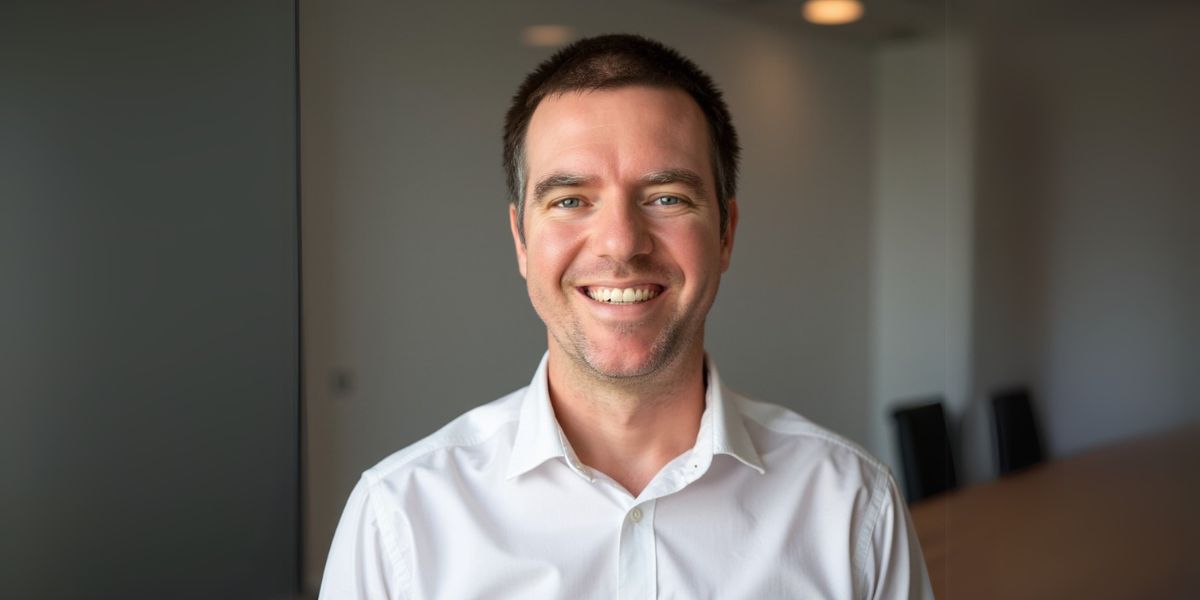
One of the clearest examples of this emerging hybrid consultant is Chris Erhardt—a former music-tech entrepreneur who now works with municipal governments and legacy businesses looking to modernize to integrate artificial intelligence and automation into their operations. His work is helping cities modernize aging processes, while empowering private sector firms to scale faster, leaner, and smarter.
Erhardt doesn’t approach his work like a traditional consultant. Instead, he brings a builder’s mindset—focused on identifying what can be automated or enhanced today to create a lasting impact tomorrow. His method blends strategic insight with hands-on implementation, making him a practical problem-solver as much as a visionary advisor.
From Music to Municipal AI
Erhardt’s path to the consulting world is anything but conventional. A decade ago, he co-founded a music-tech company that helped artists record and promote original songs online. The business caught on with independent musicians and music lovers alike.
But as artificial intelligence began making waves in the music industry—particularly in areas like sync licensing and audio production—Erhardt realized he had an opportunity to shift from simply building creative tools to leveraging AI for operational impact.
What started as a pivot turned into a reinvention. He began advising other founders and small businesses on how to scale using AI and process automation. That consulting work eventually led him to LSPS Solutions and the public sector, where his efforts today focus on making local governments more efficient through tech-forward strategies.
“My work with LSPS has been incredibly rewarding,” Chris shares in a recent interview with Swagger Magazine. “It allows me to apply my skills in business development and technology while making a tangible difference in communities.”
His recent work includes developing AI bots to help municipal departments handle routine resident inquiries, and AI enhanced O&M (Operations & Maintenance) manuals.
Why AI Is Becoming a Consulting Must-Have
The traditional consulting model is built on expertise, analysis, and insight. But Erhardt and others like him are adding a fourth dimension: implementation.
Unlike many consultants who focus on the “what” and “why,” Erhardt is known for diving deep into the “how.” His approach goes beyond identifying inefficiencies—he actively builds and deploys tools that solve them. This hands-on execution is where he believes the real value lies, especially for clients looking for immediate, lasting results.
That kind of execution-driven approach is resonating. In the private sector, Erhardt has helped streamline onboarding, internal documentation, and customer workflows for companies struggling to keep up with digital transformation. In the public sector, the promise of cost savings, compliance, and time efficiency makes his offering even more attractive.
His method is simple but effective: diagnose, design, deploy.
His process typically begins with a deep dive into the client’s day-to-day operations—reviewing communication flows, meetings, and common bottlenecks. From there, he leads the development of lightweight automation solutions, whether through off-the-shelf tools or custom AI models. Once a solution is in place, the focus shifts to refinement and expansion.
The Trust Factor
What makes this approach so compelling isn’t just the technical know-how—it’s the trust Erhardt builds with his clients. His work sits at the intersection of innovation and responsibility, especially when public money and citizen services are involved.
That trust is earned by being brutally honest about what AI can and can’t do.
It also helps that Erhardt brings a strong business acumen to the table. With several companies under his belt and a track record of scaling teams and revenue, he understands the pressures his clients face—whether it’s meeting regulatory deadlines, managing shrinking budgets, or chasing aggressive growth targets.
A Glimpse Into the Future of Consulting
If the past few years were about AI experimentation, the next few will be about practical deployment. And consultants like Erhardt are perfectly positioned to lead the charge.
He’s currently involved in multiple AI and automation implementations across Texas, working alongside seasoned engineers and civic leaders. Though some of the projects are still under wraps, the demand is unmistakable.
And the appetite is growing beyond the government, too. As small and mid-sized companies grapple with rising labor costs and an increasingly complex digital landscape, many are looking for advisors who can do more than just talk—they want someone who can build.
That’s where the AI-first consultant thrives.
Final Word
The consulting landscape is evolving, and the smartest players are evolving with it. Whether it’s city hall or a software startup, the challenges clients face today are less about what to do and more about how to do it better, faster, and with fewer resources.
Chris Erhardt isn’t just navigating that shift—he’s defining it.
As more firms and public institutions embrace the promise of AI, expect to see more consultants who blur the lines between strategist, technologist, and operator.
In this new era, knowing the code might matter just as much as knowing the boardroom.
Published by Jeremy S.