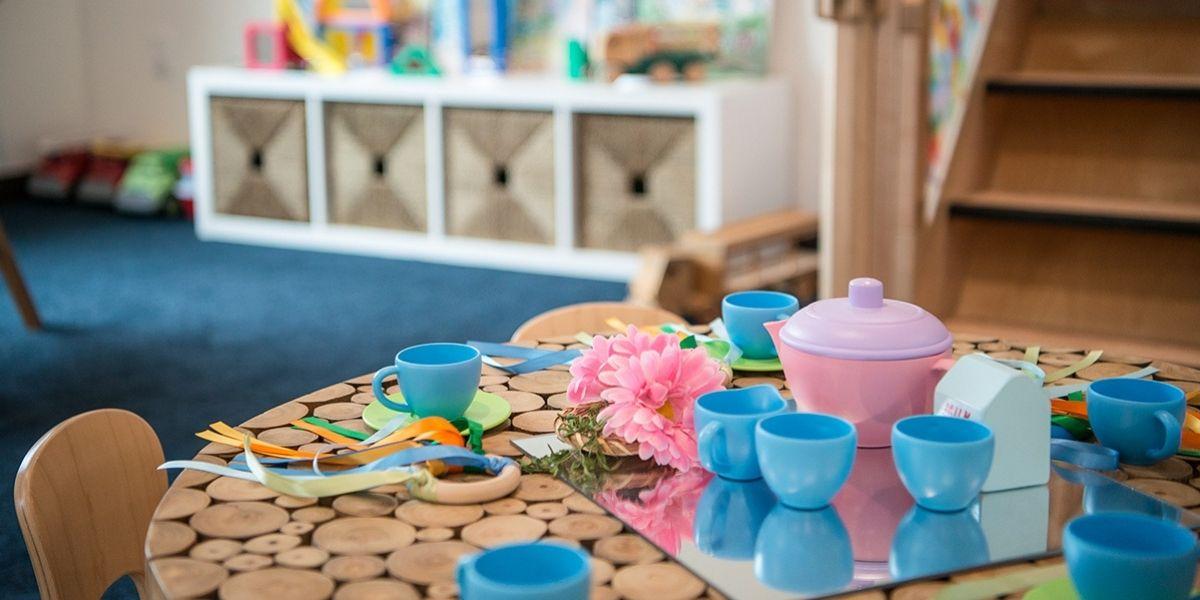

Early childhood experts are rethinking traditional preschool models. Holly Gold, founder of The Little School Approach to Early Childhood Education, notes that “when you really observe children, they don’t move through their day in neat, segmented blocks… they follow interests that don’t stop at a doorway.” Gold argues that creating “one continuous environment,” not hallways and separate classrooms, better matches how children learn. Her schools eliminate rigid walls so even a two-year-old can explore freely, indoors and outdoors, among peers of all ages. This fluid design reflects a significant social work insight: children learn best when seen as individuals within a supportive community. As Gold puts it, “The way we care for children shapes the world they will one day lead.”
Educators know many young children are overstressed and under-stimulated in rigid settings. Research by Yale’s Child Study Center confirms that active play is not a luxury but a learning necessity. Play encourages curiosity, exploration, and active engagement, helping children build confidence and develop skills for future learning. By contrast, overly structured days can limit important developmental experiences.
The Little School’s open, play-based curriculum addresses this. Classrooms flow into gardens and natural areas, inviting discovery. As reported in a study, play-based environments enable the development of language, counting, fine motor, and social-emotional skills. In other words, letting children lead through play directly supports the social and emotional goals that social work values: confidence, empathy, and adaptability. This particular insight is derived from the founder’s years of social work, raising money for humanitarian causes.
In practice, the Little School Approach has several pillars (in addition to play-based learning). Mixed-age, continuity-based classes replace age cohorts. Younger and older children learn side by side over the years, guided by the same teachers. Gold notes that in this model, siblings and neighbors are together and engage with the same materials and experiences at their own level and at their own moment in time. This reduces comparison and social stress. Children naturally mentor one another; a toddler learns from a four-year-old pouring water, and an older child gains leadership skills. If kids notice bees, teachers might set up a pollination project. Gold explains that in a wall-free school, “children begin to see themselves as active participants in their own experience.”
The Gesell Program emphasizes that all children follow the same developmental stages at their own unique pace, so grouping by ability and interest, rather than strict age, supports individual growth.
Furthermore, nature-integrated learning is treated as core rather than occasional. The Little Schools weave daily outdoor time, gardens, and sensory play into every day. Teachers turn a classroom into a living lab: a tree becomes a science project, puddles become counting games, and bees in the garden teach ecosystem lessons. Children in nature-rich programs show faster growth in creativity, resilience, and sustained curiosity compared to peers in conventional preschools. By letting children touch soil, watch worms, or plant vegetables, their natural curiosity is nurtured, and a lifelong love of learning is built.
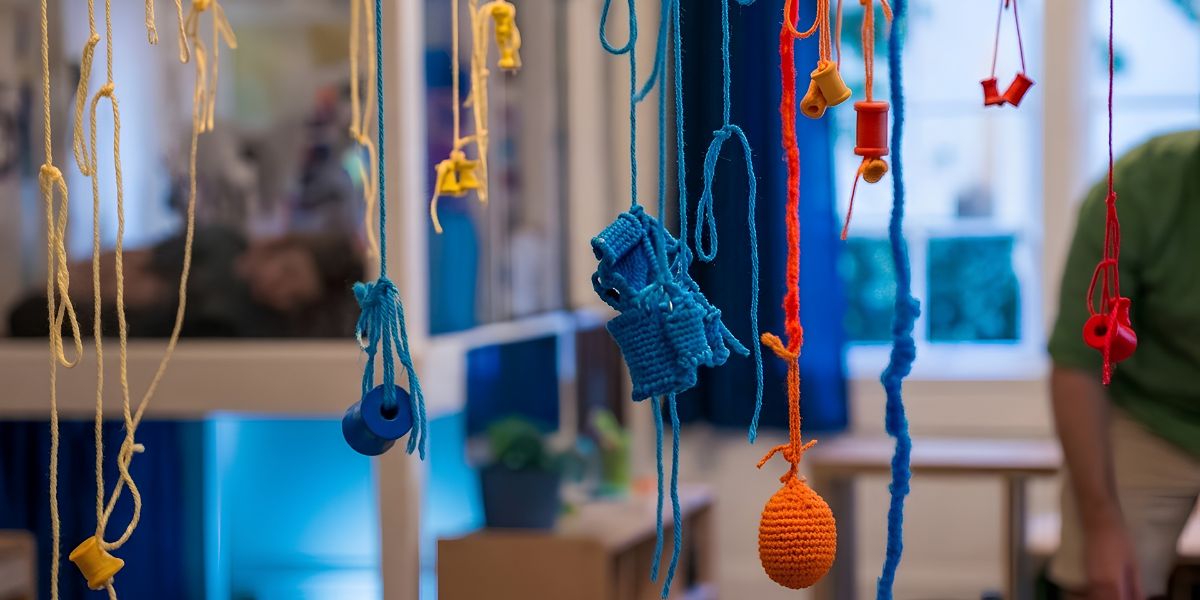
Also, family and community are part of the team. The Little Schools welcome parents into activities and value cultural awareness. Parents share skills in the classroom, and daily routines include simple acts of responsibility (like caring for plants or pets) that teach kindness and community. Young children develop empathy through caring roles (empathy being a key social work principle).
Gold has shared that the building blocks of The Little School Approach are various educational philosophies, such as Montessori, Reggio Emilia, and Waldorf. These are observed in schools worldwide, in part and in whole. What Gold did was draw upon these through a social enterprise lens and create a system backed by research and her observations. Schools that already follow parts of the approach observe greater results. Forest kindergartens in Scandinavia, for example, report higher self-esteem and teamwork skills among children who play and learn in nature. In many Reggio Emilia-inspired schools, classrooms are open and collaborative, much like The Little Schools.
This approach to early childhood has ripple effects. Children raised in play-rich, caring environments tend to develop stronger emotional intelligence and problem-solving abilities. They carry into elementary school a confidence and curiosity that buffer against future stress.
By integrating social work values (respect for the child, attention to emotional health, and partnership with families) into daily schooling, Gold offers a replicable model for lasting impact.
The Little School Approach to Early Childhood Education reminds us that play, nature, and community belong at the heart of education.