
Tesla Cybercab production is set to gain space at Gigafactory Texas after CEO Elon Musk said Cybertruck assembly there would wind down around mid-2027. Announced November 6, the shift prioritizes robotaxi manufacturing at the facility. Factory capacity figures, declining U.S. pickup sales, and a federal safety review provide context for the decision.
Key Takeaways
- Elon Musk announced on November 6, 2026, that Cybertruck production at Gigafactory Texas would wind down around mid-2027
- Tesla plans to use the available factory space to increase Cybercab production, although no revised output target was disclosed
- U.S. Cybertruck sales fell approximately 48% in 2025 and another 28% during the first nine months of 2026, according to Kelley Blue Book estimates
- Tesla began operating Cybercab rides in Austin on September 3, 2026, while federal regulators opened a vehicle certification review the following day
- Tesla has not confirmed whether Cybertruck manufacturing will end entirely or move to another facility
Tesla is preparing to shift manufacturing capacity from its Cybertruck pickup to its Cybercab autonomous vehicle, marking a significant production decision at the company’s Texas factory.
In a November 6 post on X, Musk said the change would take place “to make room for increased Cybercab production.” The announcement establishes a manufacturing priority but leaves several operational details unresolved, including the amount of capacity being reassigned and the Cybertruck’s future production location.
The decision comes as Tesla expands its autonomous ride-hailing operations following a prolonged decline in estimated Cybertruck sales. It also places greater attention on the company’s ability to manufacture and deploy purpose-built autonomous vehicles at scale.
Tesla Cybercab Production Takes Priority at Gigafactory Texas
Tesla’s third-quarter 2026 report identifies Gigafactory Texas as the production location for the Model Y, Cybertruck, and Cybercab. The facility has installed annual manufacturing capacity exceeding 375,000 Model Y vehicles and more than 125,000 units each for Cybertruck and Cybercab.
Those figures represent installed capacity rather than actual production volumes. Tesla states that manufacturing output depends on equipment availability, component supply, factory upgrades, and other operational considerations.
Musk did not explain whether Cybertruck equipment would be converted for Cybercab assembly or whether separate manufacturing lines would require modifications. The company also has not disclosed a revised Cybercab production target associated with the announcement.
Battery availability remains another manufacturing consideration. In its October quarterly update, Tesla identified battery supply as a constraint on increasing vehicle output while reporting efforts to expand 4680 battery cell production for Cybercab, Tesla Semi, and Model Y.
The company’s approach differs from Toyota and Waymo’s robotaxi plans, which combine Toyota’s vehicle manufacturing with Waymo’s autonomous-driving technology. Tesla develops its own driving system while manufacturing vehicles intended for its robotaxi operations.
The November announcement identifies the intended capacity shift but does not establish the financial or operational requirements for completing it.
Cybertruck Sales Decline Before Planned Manufacturing Shift
Cybertruck sales estimates provide measurable context for Tesla’s decision. The pickup entered customer deliveries in late 2023, following its introduction in 2019, but annual U.S. sales have remained below the production volumes Musk previously discussed.
According to Cox Automotive’s Kelley Blue Book, Tesla sold an estimated 38,965 Cybertrucks in the United States during 2024. That figure declined to 20,237 in 2025, representing a decrease of approximately 48%.
The downward trend continued through September 2026. Kelley Blue Book estimated 11,586 Cybertruck sales during the first nine months of the year, compared with 16,097 during the corresponding period in 2025, a decline of 28%.
These figures are independent U.S. market estimates rather than separate global Cybertruck delivery figures published by Tesla.
The automaker’s third-quarter report recorded 8,295 deliveries across its combined “other models” category, down from 15,933 a year earlier. Because that category includes multiple vehicles, the decrease cannot be attributed exclusively to Cybertruck.
The pickup has also experienced recalls, pricing adjustments, and production challenges since its introduction. However, Musk’s November 6 announcement did not identify any single issue as the direct cause of the manufacturing change.
Cybertruck lead engineer Wes Morrill addressed the model’s relationship with Tesla’s autonomous vehicle program in a public response to Musk’s announcement.
“Cybertruck was an incredible technology development platform and lives on through Cybercab,” Morrill wrote.
His statement connects the engineering work behind the pickup to Cybercab but does not establish whether Cybertruck manufacturing will continue at another factory.
Cybercab Expansion Brings Manufacturing and Safety Questions
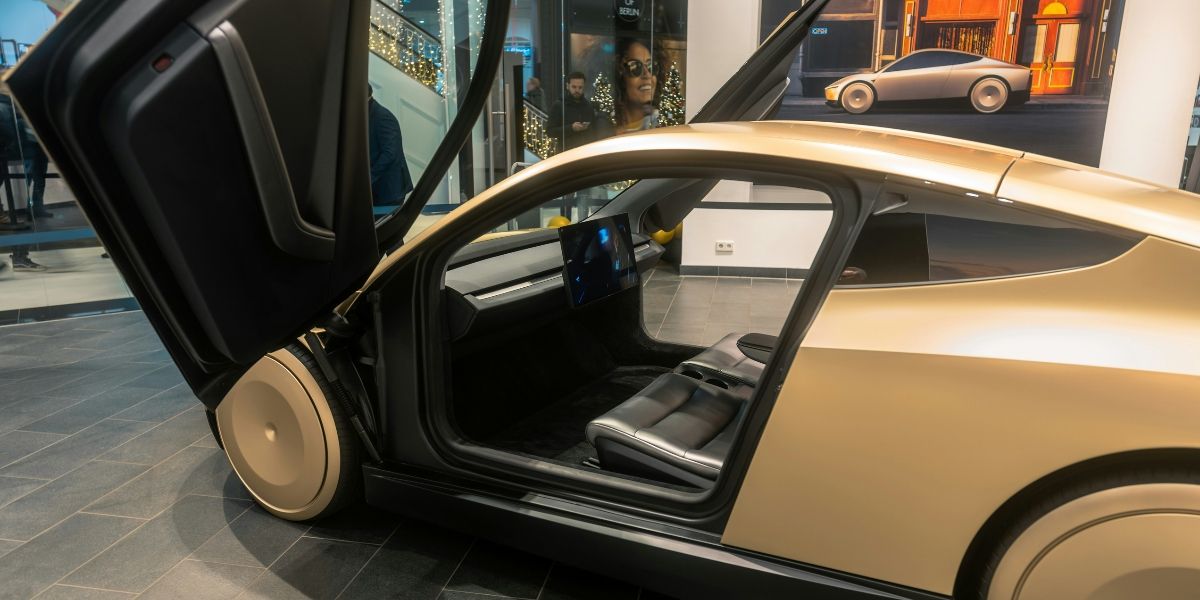
Tesla introduced Cybercab as a two-seat autonomous vehicle designed without traditional steering wheels or driving pedals. Unlike Cybertruck, which customers purchase and operate as a conventional vehicle, Cybercab is designed primarily for autonomous passenger transportation.
Tesla reported that Cybercab rides began in Austin, Texas, on September 3, 2026. Its third-quarter update also recorded nearly two million cumulative unsupervised miles across its broader robotaxi service, a figure that does not represent Cybercab activity alone.
The expansion places Tesla alongside other companies developing autonomous transportation services. Some operators, including Uber, have emphasized autonomous ride-hailing partnerships that incorporate technology from outside developers rather than manufacturing their own autonomous vehicles.
Tesla’s strategy involves manufacturing Cybercabs while operating vehicles within its own service network. During the company’s October 21 earnings call, engineering executive Lars Moravy said Cybercabs then being manufactured were going to Tesla’s internal robotaxi fleet, with deliveries to outside customers also being targeted.
Federal safety oversight remains an important part of the vehicle’s deployment.
On September 4, 2026, the National Highway Traffic Safety Administration opened an audit examining Tesla’s certification that Cybercab complies with applicable federal vehicle safety standards.
The inquiry concerns the technical basis for certifying a vehicle without conventional human driving controls. The opening of the review does not establish that Tesla violated federal requirements.
Tesla Cybercab production is therefore expanding within a manufacturing and operating framework that still has unresolved details. Musk has identified approximately mid-2027 for the Cybertruck wind-down at Gigafactory Texas, but Tesla has not published a replacement production schedule, equipment transition plan, or revised Cybercab output target.
Frequently Asked Questions
When will Tesla wind down Cybertruck production in Texas?
Elon Musk said on November 6, 2026, that Cybertruck production at Gigafactory Texas would wind down around the middle of 2027. Tesla has not announced an exact final assembly date.
Is Tesla permanently discontinuing the Cybertruck?
Tesla has not formally clarified whether Cybertruck manufacturing will end entirely or move to another facility. Musk’s announcement specifically addressed production at Gigafactory Texas.
How much Tesla Cybercab production capacity exists in Texas?
Tesla’s third-quarter 2026 report lists installed annual Cybercab manufacturing capacity exceeding 125,000 vehicles at Gigafactory Texas. That capacity figure does not represent actual annual output or a confirmed target following the planned Cybertruck wind-down.
Has Tesla already launched Cybercab passenger services?
Tesla reported that Cybercab rides began in Austin on September 3, 2026. The company subsequently became subject to a federal audit examining how it certified the vehicle’s compliance with safety standards.